Italy Cruise from Civitavecchia to Lisbon — 22 Days

21 nights · Italy · Departs Civitavecchia-Rome (Italy) · Visiting Naples, Palermo, La Goulette-Tunis, Algiers, Cartagena Spain, Alicante, Tarragona, Barcelona, Tangier, Casablanca, Agadir, Arrecife, San Sebastian de la Gomera, Santa Cruz de la Palma, Funchal, Lisbon · Aboard MSC Explora Journeys on the MSC Explora 2

MSC Explora Journeys logo
Cruise lineMSC Explora Journeys
ShipMSC Explora 2
Duration21 nights
Port calls17
Departures1 sailings
From fare$11,510 per person
Year built2024
Guests1473
Cabins461
Crew640
Length248 m
Beam32 m
Cruising speed18.0 kn
  1. Day 1

    Civitavecchia-Rome, Italy

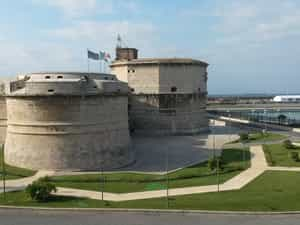
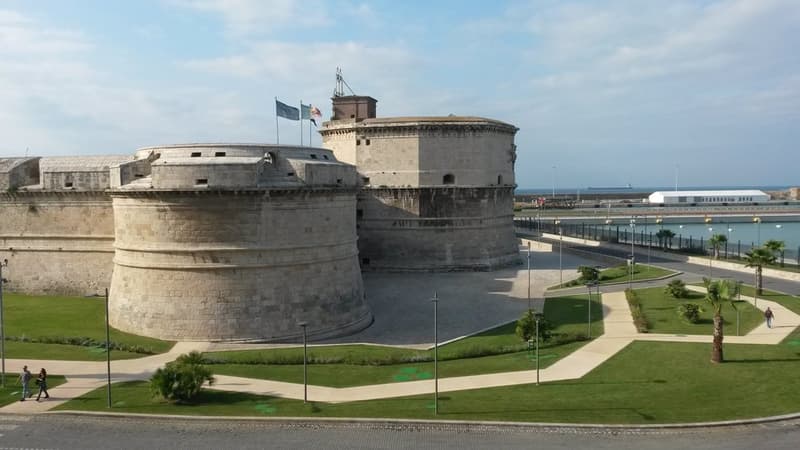
    Your ship docks at Civitavecchia, Rome’s seaport, about 50 miles northwest of the capital. Rome’s great monuments are within reach, but the port town rewards a closer look. Walk the waterfront to Forte Michelangelo, a 16th-century fortress begun under Pope Julius II; explore the old streets and market. Prefer a quieter day? The town’s seafront and nearby beaches offer an easy change of pace. Choose Rome for art and antiquity, or Civitavecchia for coastal life beyond the terminal.

  2. Day 2

    Naples, Italy

    Naples puts its history within reach: the port opens onto a compact city framed by Mount Vesuvius and the bay. UNESCO-listed streets lead to churches, palaces and the everyday theatre of southern Italian life. At the National Archaeological Museum, mosaics and objects from Pompeii and Herculaneum bring the Roman world sharply into focus. Stay close for Neapolitan pizza, or use Naples as a springboard to Pompeii, Herculaneum and Capri.

  3. Day 3

    Palermo, Italy

    Palermo rewards curious travellers with a vivid mix of Arab-Norman architecture, lively markets and Sicilian cooking. Start at the cathedral, where Norman, Gothic and Baroque details reflect the city’s layered past. Then walk through the Capo market or visit the Palatine Chapel, famed for its Byzantine mosaics. Leave time for pasta con le sarde or arancini; Palermo’s strongest impressions often arrive at the table.

  4. Day 4

    La Goulette-Tunis, Tunisia

    La Goulette is Tunisia’s principal cruise gateway, set on the Mediterranean just northeast of Tunis. The capital’s old medina, Carthage’s ruins and Sidi Bou Said’s white-and-blue lanes are all within reach. Choose Roman history, Ottoman-era streets or cafés overlooking the sea. Plan around traffic: these sights lie in different directions, and each merits an unhurried visit.

  5. Day 6

    Algiers, Algeria

    Algiers faces the Mediterranean in a sweep of white buildings, broad boulevards and steep hills. Begin in the Casbah, a UNESCO-listed maze of Ottoman lanes, courtyards and mosques above the bay. Then compare its old city with French-era avenues and the monumental Martyrs’ Memorial, which commands views across Algiers. Allow time for the Jardin d’Essai, a lush botanical garden offering welcome shade from the city’s sun.

  6. Day 7

    Cartagena Spain, Spain

    Cartagena rewards visitors who look beyond its busy harbor. Founded by the Carthaginians in 227 BC, this compact port city carries layers of Roman, military, and maritime history. Follow the waterfront to the Roman Theatre, uncovered in 1988 and now paired with a museum. Explore the old quarter’s elegant Modernista buildings and naval landmarks. Cartagena is easy to navigate, yet rich enough to hold your attention all day.

  7. Day 8

    Alicante, Spain

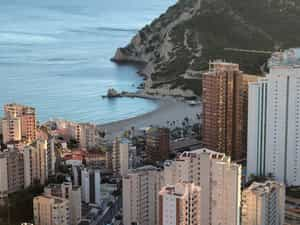
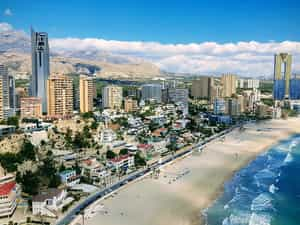
    Alicante makes a graceful first impression: its Mediterranean harbour opens onto a lively, walkable city centre. Ride the lift to Santa Bárbara Castle, perched on Mount Benacantil, for sweeping views across rooftops and sea. Below, old-quarter lanes lead to the Basilica of Santa Maria and the Co-Cathedral of Saint Nicholas. Stroll the palm-lined Explanada de España, then try turrón, Alicante’s famed almond-and-honey confection. Beaches, cafés and the Archaeological Museum offer rewarding stops within easy reach of the harbour.

  8. Day 9

    Tarragona, Spain

    Step ashore in Tarragona, where Roman Tarraco meets the blue sweep of the Mediterranean. An amphitheatre still faces the sea, while ancient walls trace the edge of the old city. UNESCO-listed monuments, a Gothic cathedral and lively Rambla Nova make the historic centre rewarding to explore on foot. At the Balcó del Mediterrani, take in the coast before settling at a terrace for Catalan seafood and local wine.

  9. Day 10

    Barcelona, Spain

    Barcelona is a Mediterranean port city built on Roman foundations, with Gothic lanes and striking modernist architecture. La Rambla runs from Plaça de Catalunya towards the waterfront and the old town. Gaudí’s Sagrada Família and Park Güell show the city at its most distinctive. Set aside time for a market lunch and a walk through El Born, where medieval streets meet lively cafés. Barcelona’s beaches offer a welcome pause between visits.

  10. Day 12

    Tangier, Morocco

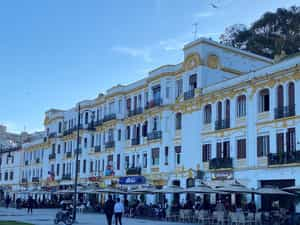
    Tangier faces Spain across the Strait of Gibraltar, where the Mediterranean meets the Atlantic. Walk its medina’s steep lanes past whitewashed houses and shops selling leather, ceramics, and spices. At the Kasbah, find sea views and the former sultan’s palace, now a museum. Beyond the old walls, cafés and boulevards recall the city’s international past. Visit the American Legation, the first U.S. diplomatic property abroad. Or drive to Cap Spartel, where Atlantic and Mediterranean waters meet.

  11. Day 13

    Casablanca, Morocco

    Casablanca is Morocco’s commercial capital, where Atlantic breezes meet broad boulevards and a lively medina. Begin at the Hassan II Mosque, whose vast prayer hall and soaring minaret stand beside the ocean. Then explore the French-era Art Deco centre, or browse the lanes of the Habous quarter for pastries, crafts and bookshops. Casablanca rewards curiosity with a modern Morocco shaped by trade, architecture and daily life.

  12. Day 15

    Agadir, Morocco

    Agadir faces the Atlantic beneath the foothills of the Anti-Atlas, with a broad crescent beach and year-round sunshine. The 1960 earthquake destroyed much of the old city; today’s Agadir is modern, spacious and easy to explore. At Souk El Had, browse stalls of spices, leather and ceramics. Then visit the Kasbah ruins for wide views across the harbor and coast. For a quieter glimpse of local life, explore the fishing port or settle at a beachfront café.

  13. Day 16

    Arrecife, Spain

    Arrecife is Lanzarote’s compact capital, where Atlantic light catches whitewashed buildings and fishing boats in the harbour. Step ashore near Charco de San Ginés, a sheltered lagoon edged with cafés, seafood restaurants and low houses. César Manrique’s vision shapes Lanzarote, from its striking architecture to gardens and cultural spaces. Beyond town, volcanic landscapes and vineyards reveal why the island feels unlike any other Canary Island.

  14. Day 17

    San Sebastian de la Gomera, Spain

    San Sebastián de la Gomera is a small port with a large place in Atlantic history. Columbus called here in 1492 before sailing west, and the town rewards a leisurely walk. See the 15th-century Torre del Conde, then visit the Church of the Assumption, linked to his stay. Beyond the waterfront, La Gomera’s steep green interior leads to Garajonay National Park, where ancient laurel forest fills deep ravines.

  15. Day 18

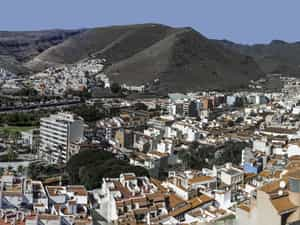
    Santa Cruz de la Palma, Spain

    Santa Cruz de la Palma is a small island capital with an outsized sense of history. Founded in 1493, it grew into an important Atlantic port, and its old quarter still bears that maritime confidence. Walk Calle Real for handsome colonial façades, then look for carved wooden balconies along Avenida Marítima. Beyond town, La Palma’s steep green interior leads to the dramatic Caldera de Taburiente National Park.

  16. Day 19

    Funchal, Portugal

    Funchal sits in a broad, sunlit amphitheatre above Madeira’s deep Atlantic harbour. Its compact centre rewards exploration, from the Old Town’s painted doors to the cathedral’s carved cedar ceiling. Ride the cable car uphill to Monte for sweeping views, then descend through gardens or by traditional wicker toboggan. Madeira’s wines and market produce offer a taste of the island before your ship sails.

  17. Day 22

    Lisbon, Portugal

    Lisbon is a city best approached with time and comfortable shoes. Its seven hills rise above the Tagus, linking tiled lanes, grand squares and viewpoints with wide river views. In Alfama, narrow streets preserve the feel of old Lisbon. In Belém, the Jerónimos Monastery and Tower recall Portugal’s age of discovery. Pause for coffee and a warm pastel de nata between sights.

MSC Explora 2 Cruises

Published September 9, 2026
Last updated October 3, 2026
Author: J. Richard


Cruise Disclosure

Good to know: Prices are quoted per person based on double occupancy and include all applicable taxes and fees. Availability and prices can change quickly, so please continue through the booking process to confirm the latest availability and pricing before you pay.

We work hard to make sure everything on this website is accurate and up to date. However, some information may be incomplete or inaccurate, including details supplied by third parties or otherwise outside our control, and we cannot be held responsible for such errors. We work with 41 cruise line operators, that are providing cruises on 585 ships visiting 1,731 ports across 7,194 unique cruises, creating 13,822 itineraries. This is a great deal of data to continually update daily from our suppliers. If a pricing error, misrepresentation, or omission occurs, we reserve the right to adjust the pricing, correct the information, or cancel or decline any booking made in error, with notice to you. Thank you for your understanding!