England Cruise from Southampton to Stockholm — 26 Days

25 nights · England · Departs Southampton · Visiting Leith-Edinburgh, Aberdeen, Kirkwall, Stornoway, Killybegs, Belfast, Dublin, Cobh-Cork, Dartmouth, Zeebrugge, Amsterdam, Kiel, Warnemunde-Rostock, Szczecin, Bornholm Island Denmark, Klaipeda, Visby, Riga, Kotka, Tallinn, Stockholm · Aboard Oceania Cruises on the Oceania Insignia

Oceania Cruises logo
Cruise lineOceania Cruises
ShipOceania Insignia
Duration25 nights
Port calls22
Departures1 sailings
From fare$10,649 per person
Year built1998
Guests803
Cabins349
Crew372
Length180 m
Beam25 m
Cruising speed18.0 kn
  1. Day 1

    Southampton

    Southampton is a working port with a rich maritime past. Walk its medieval city walls, then visit SeaCity Museum, where exhibits explore the city’s connection to the Titanic. The Mayflower began its 1620 voyage from Southampton, and the Titanic sailed from here in 1912. Beyond the waterfront, the New Forest’s heathland and Winchester’s cathedral make rewarding excursions.

  2. Day 3

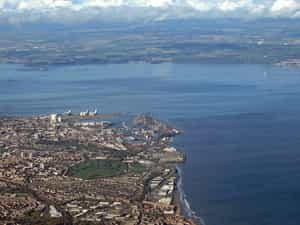
    Leith-Edinburgh

    Leith brings Edinburgh within reach, but rewards those who stay by the water. Once a working port, this lively district pairs maritime history with independent restaurants, galleries and a strong local character. At Ocean Terminal, step aboard the Royal Yacht Britannia, the former royal residence now open to visitors. Trams and buses connect you with the capital: Edinburgh Castle, its museums and Georgian streets make an easy day ashore.

  3. Day 4

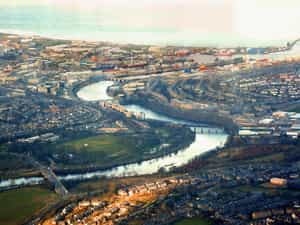
    Aberdeen

    Aberdeen’s grey granite catches the light, giving Scotland’s northeast city a character all its own. The Aberdeen Maritime Museum traces how shipbuilding, fishing and North Sea oil shaped the city. Old Aberdeen is a handsome quarter of cobbled lanes and historic buildings. At King’s College, founded in 1495, the crown tower and chapel offer a striking glimpse of Scotland’s university heritage.

  4. Day 5

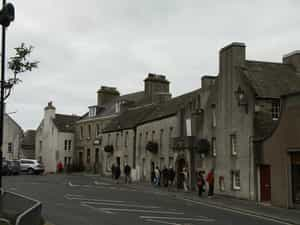
    Kirkwall

    Kirkwall is Orkney’s compact capital, where Norse history remains part of everyday life. Begin at St Magnus Cathedral, a striking red-sandstone landmark founded in 1137. Nearby, the ruins of the Earl’s and Bishop’s palaces reveal the power once held here. Beyond town, prehistoric sites such as Skara Brae and the Ring of Brodgar make a compelling excursion. Leave time for the harbor, local shops, and a dram of island whisky.

  5. Day 6

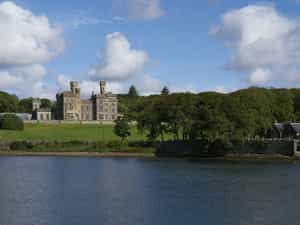
    Stornoway

    Stornoway is the working heart of Lewis, where fishing boats share a harbour with ferries and visiting ships. Lews Castle houses Museum nan Eilean, while its grounds make an easy first walk. The road west leads to Callanish, where prehistoric standing stones rise above the Atlantic-facing moor. Here, Gaelic heritage is not a display alone; it remains part of daily life, heard in place names and conversation.

  6. Day 7

    Killybegs, Ireland

    Killybegs is Ireland’s largest fishing port, a working harbour on Donegal’s rugged south coast. Watch trawlers unload their catch, then explore the town’s maritime story at the Killybegs Maritime and Heritage Centre. Beyond the quays, the road leads towards Slieve League, where immense Atlantic-facing cliffs rise above the sea. Come for a close view of Ireland’s fishing life; stay for Donegal’s wide horizons and fresh seafood.

  7. Day 8

    Belfast

    Belfast pairs a proud maritime past with a lively, walkable centre. At Titanic Belfast, the story of the famous liner unfolds beside the shipyard where she was built. Nearby, grand City Hall and the Cathedral Quarter reveal different sides of the city, from civic confidence to café-lined lanes. Across west Belfast, political murals offer a vivid perspective on its recent history. With the Giant’s Causeway within reach, Belfast also makes a compelling starting point for Northern Ireland’s dramatic coast.

  8. Day 9

    Dublin, Ireland

    Dublin is a city best explored on foot, where Georgian squares, lively lanes and centuries of history sit close together. From Dublin Port, the centre is a short drive away, making a day ashore easy to shape. See the Book of Kells at Trinity College, then trace the Liffey through the city centre. A pint in a traditional pub is an invitation to linger.

  9. Day 10

    Cobh-Cork, Ireland

    Cork is Ireland’s most independent-minded city, built on islands in the River Lee and shaped by its maritime past. Most cruise ships berth at Cobh, a handsome harbour town about 15 miles from Cork. A direct railway connects the two. Browse the English Market, visit St Fin Barre’s Cathedral, or seek out the city’s cafés and pubs. Allow time for Blarney Castle, a short drive away.

  10. Day 11

    Dartmouth

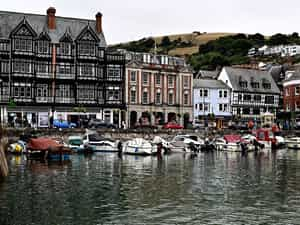
    Dartmouth sits at the mouth of the River Dart, its steep lanes rising above a deep natural harbour. Explore the waterfront and independent shops, then take the ferry to Kingswear for views across the estuary to Dartmouth Castle. Above town, Britannia Royal Naval College commands the skyline. Boats, ferries and the South Devon Railway offer easy excursions along this sheltered stretch of coast.

  11. Day 12

    Southampton

    Southampton is a working port with a rich maritime past. Walk its medieval city walls, then visit SeaCity Museum, where exhibits explore the city’s connection to the Titanic. The Mayflower began its 1620 voyage from Southampton, and the Titanic sailed from here in 1912. Beyond the waterfront, the New Forest’s heathland and Winchester’s cathedral make rewarding excursions.

  12. Day 13

    Zeebrugge, Belgium

    Zeebrugge is Belgium’s North Sea gateway, but Bruges is the reason many travellers come ashore. The medieval city lies about 17 kilometres inland, its canals, brick gables and market square remarkably intact. The coast has its own appeal: stroll the broad beach, watch fishing boats return, or find seafood near the harbour. Choose your day well, and you can pair Bruges’ rich history with the Flemish coast’s open skies and sea air.

  13. Day 14

    Amsterdam, Netherlands

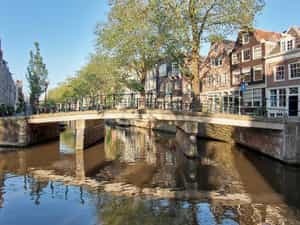
    Amsterdam pairs world-class museums with the everyday pleasure of canal-side life. Its Golden Age houses, narrow waterways and lively markets make the city rewarding well beyond its famous sights. Visit the Rijksmuseum for Dutch masters, then explore the canal belt on foot or by boat. Leave time for a neighbourhood café: in Amsterdam, the best discoveries often come between the landmarks.

  14. Day 16

    Kiel, Germany

    Kiel faces the Baltic at the western end of Kiel Fjord, where Germany’s great ship canal begins. This working maritime city rewards a waterfront stroll, with ferries, sailboats and cargo ships sharing the harbor. From central cruise berths, the old town, St. Nicholas Church and City Hall are within easy reach. For a closer look at naval history, take the short trip to Laboe’s memorial and preserved U-boat.

  15. Day 17

    Warnemunde-Rostock, Germany

    Warnemünde brings the Baltic close, with sandy beaches and a working harbour beside the cruise pier. Follow the Alter Strom, where fishing boats share the waterway with cafés and old captains’ houses. Climb the 1898 lighthouse for a clear view over the coast, or catch a train to Rostock’s brick Gothic centre. This is a port best explored at your own pace.

  16. Day 18

    Szczecin, Poland

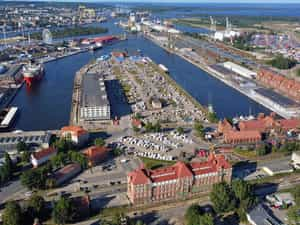
    Szczecin rewards travelers who look beyond Poland’s familiar capitals. Set on the Oder River, it is a historic port with broad boulevards and an easygoing waterfront. Begin at Wały Chrobrego, the riverside terrace, where grand civic buildings frame views across the working harbor. Then visit the Pomeranian Dukes’ Castle or the striking white Philharmonic, both reminders of a city rebuilt with purpose. Allow time for a café and a walk through the compact old town.

  17. Day 19

    Bornholm Island Denmark, Denmark

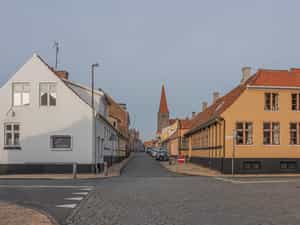
    Bornholm lies in the Baltic Sea, closer to Sweden than mainland Denmark. Rønne, its principal port, opens onto an island of granite cliffs, sandy beaches and quiet farmland. Visit Hammershus, northern Europe’s largest medieval castle ruin, or seek out Bornholm’s distinctive round churches. In Gudhjem, smokehouses serve the local specialty: smoked herring. Bornholm rewards unhurried exploration, with striking coastlines and Danish character within easy reach.

  18. Day 20

    Klaipeda, Lithuania

    Klaipėda is Lithuania’s Baltic port, where maritime history meets an unexpectedly handsome old town. Its half-timbered warehouses and narrow lanes recall centuries of trade under Prussian rule. Ferries cross the lagoon to the Curonian Spit, a UNESCO-listed sweep of dunes, pine woods and fishing villages. Stay in town for museums and cafés, or make the crossing for a striking day outdoors.

  19. Day 21

    Visby, Sweden

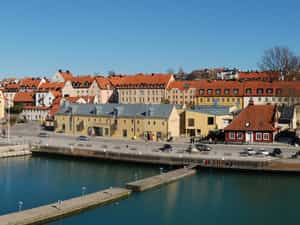
    On Gotland’s western shore, Visby makes a striking first impression with its medieval walls and Baltic setting. Inside the ring wall, cobbled lanes lead past merchants’ houses, church ruins and rose-filled gardens. Once a powerful Hanseatic port, the town is now a UNESCO World Heritage Site, best explored on foot. Pause at St Mary’s Cathedral, then follow the ramparts for broad views over rooftops and sea. Visby rewards a slow walk, with island scenery just beyond the walls.

  20. Day 22

    Riga, Latvia

    Riga rewards a day ashore with a compact UNESCO-listed Old Town and one of Europe’s richest Art Nouveau districts. Begin at the House of the Blackheads, then follow cobbled lanes to Riga Cathedral and the riverfront. Across the canal, Alberta Street displays ornate façades that made the city a landmark of early twentieth-century design. For local life, browse Riga Central Market, set in former Zeppelin hangars near the Daugava.

  21. Day 24

    Kotka, Finland

    Kotka sits where the Kymi River meets the Gulf of Finland, with sea air and a distinctly maritime character. The Maritime Centre Vellamo pairs striking architecture with exhibitions on seafaring and local history. Follow the waterfront to Sapokka Water Garden, or visit Langinkoski, the riverside fishing lodge used by Russia’s Alexander III. Here, Finland’s coastal past feels close, while the nearby archipelago invites an unhurried look beyond town.

  22. Day 25

    Tallinn, Estonia

    Step ashore in Tallinn, where medieval towers rise above a Baltic capital built for curious walkers. Within the UNESCO-listed Old Town, cobbled lanes lead to merchant houses, church spires and Town Hall Square. Climb Toompea for views across red roofs and the Gulf of Finland; explore cafés and galleries beyond the walls. Tallinn rewards a day on foot, with history close at hand and a distinctly modern pulse.

  23. Day 26

    Stockholm, Sweden

    Stockholm rewards the curious with a capital spread across 14 islands, where Lake Mälaren meets the Baltic Sea. From the waterfront, ferries and bridges lead to Gamla Stan’s narrow lanes, the Royal Palace, and the Nobel Prize Museum. Visit the Vasa Museum to see a 17th-century warship recovered from the harbor. Then pause for coffee in a city where water, design, and history shape everyday life.

Oceania Insignia Cruises

Published September 1, 2026
Last updated October 3, 2026
Author: J. Richard


Cruise Disclosure

Good to know: Prices are quoted per person based on double occupancy and include all applicable taxes and fees. Availability and prices can change quickly, so please continue through the booking process to confirm the latest availability and pricing before you pay.

We work hard to make sure everything on this website is accurate and up to date. However, some information may be incomplete or inaccurate, including details supplied by third parties or otherwise outside our control, and we cannot be held responsible for such errors. We work with 41 cruise line operators, that are providing cruises on 585 ships visiting 1,731 ports across 7,194 unique cruises, creating 13,822 itineraries. This is a great deal of data to continually update daily from our suppliers. If a pricing error, misrepresentation, or omission occurs, we reserve the right to adjust the pricing, correct the information, or cancel or decline any booking made in error, with notice to you. Thank you for your understanding!