Fiji Cruise Ports & Cruise Guide
Total 8
This page is an overview of the 8 cruise ports in Fiji, covering ocean cruises. Cruises start and end at Suva. 33 cruise ships visit Fiji across 8 ports. See live sailings and availability on the Fiji cruises page.
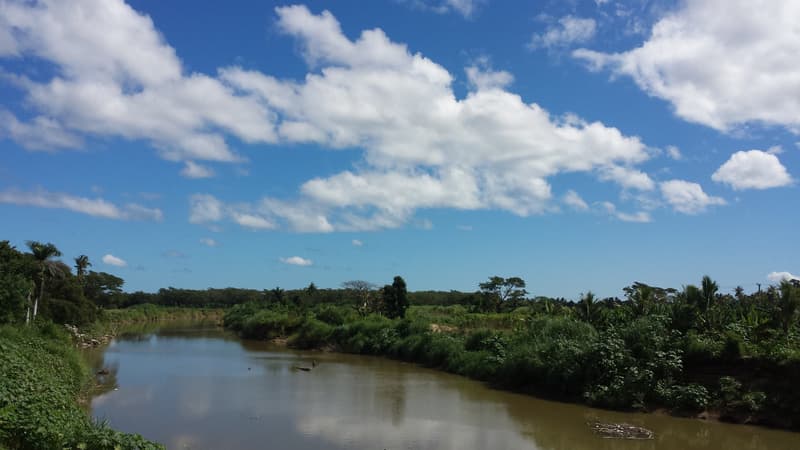
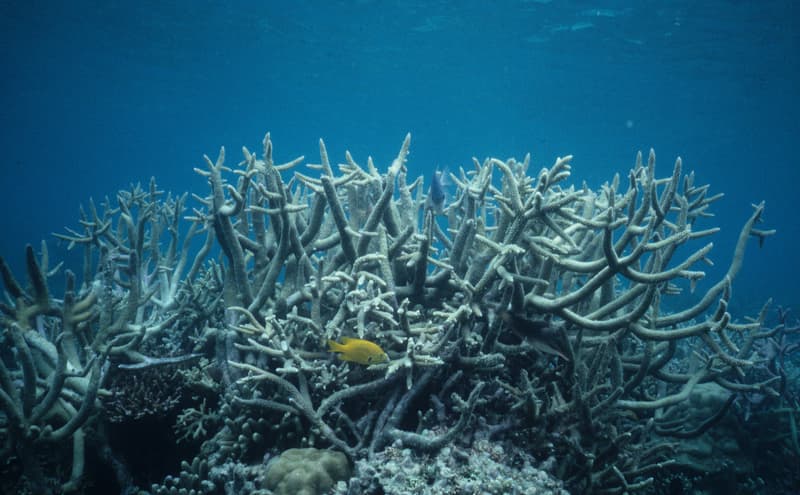


Fiji is an archipelago nation of more than 330 islands, only about 110 of which are inhabited. It has no river-cruise tradition; the equivalent is island-to-island small-ship cruising among the Mamanuca, Yasawa, and northern islands. For the milestone traveler, this means unpacking once while waking to a new reef, village, or beach each morning. The key trade-off: Fiji is a long-haul flight from the US, and outer-island comfort is simple. Choose a small ship with a strong expedition and cultural program, respect village protocols, and go in the dry season from May to October for the smoothest seas.
Country facts
History
Fiji was first settled by Austronesian voyagers around 3,500 years ago, with the Lapita culture leaving distinctive pottery across the Pacific. European contact began in the 17th century, and in 1874 Fiji was ceded to Britain. Between 1879 and 1916, British colonial authorities brought indentured labourers from India to work the sugarcane plantations, creating the multicultural society that exists today. Fiji became independent in 1970, then endured military coups in 1987, 2000, and 2006. A 2013 constitution restored parliamentary rule, and the 2022 general election resulted in a peaceful transfer of power to a coalition led by Sitiveni Rabuka.
Fiji's history is not a postcard. Colonial dispossession, indentured labour, ethnic tensions, and three coups complicate the friendly 'bula' image. Democratic norms are recent but real; visitors should engage respectfully rather than treat the country as a mere resort backdrop.
Culture
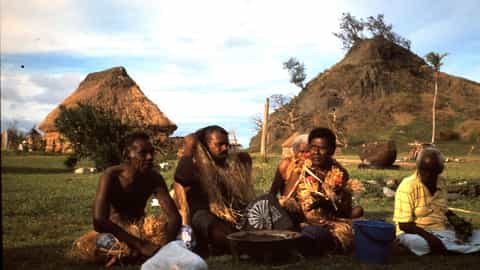
Fijian identity is built around vanua (land and community), bula (welcome and life), and talanoa (storytelling). The population includes iTaukei, Indo-Fijian, Rotuman, and Chinese communities, and village life remains central. Christianity is widespread, and Sundays are widely observed as a day of rest and worship.
Music: Meke combines chanting, drumming, and dance; church choirs are extraordinarily strong; and modern Pacific reggae and island roots music are widely popular.
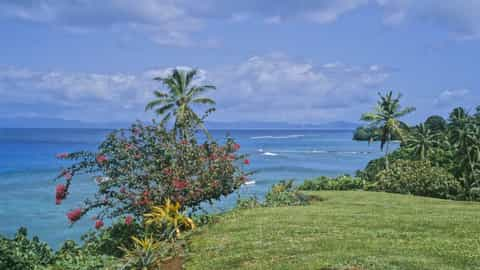
Signature landscape: The Great Astrolabe Reef off Kadavu and the coral gardens of the Somosomo Strait between Vanua Levu and Taveuni; also the white-sand cays and turquoise lagoons of the Mamanuca and Yasawa chains.
Cuisine
- Kokoda — raw fish cured in citrus and coconut milk
- Lovo — underground-oven feast with pork, chicken, taro, and dalo
- Rourou — taro leaves cooked in coconut cream
- Fiji Indian curry and roti
- Kava — ceremonial drink made from ground yaqona root
- Tropical fruit — pawpaw, pineapple, mango, and soursop
Architecture & heritage
- Levuka's 19th-century wooden shopfronts and old wharf, a UNESCO World Heritage site
- Sri Siva Subramaniya Swami Temple in Nadi, a colourful Dravidian-style Hindu temple
- Suva's colonial government buildings, Sacred Heart Cathedral, and old town hall
- Traditional bure thatched houses and village meeting halls
- Nabukalou Levu ceremonial and chiefly sites on Viti Levu
Tips for American travellers
- Arrive at least two nights before boarding to adjust to the time change and humidity.
- Do not try to see too many islands; distances look small on a map but sea time is slower than expected.
- Dress modestly in villages and remove shoes before entering a home.
- Do not touch anyone's head or point with your feet.
- Bring reef-safe sunscreen and reef-safe insect repellent.
- Say 'bula' as a greeting and accept kava if offered; it is an honour.
Major cities & destinations
Port Denarau Marina and resort enclave
Fiji's principal pleasure-boat marina, with shops, restaurants, and resort hotels; it is the main embarkation point for small-ship cruises and day trips into the Mamanuca and Yasawa islands.
Embarkation hub for local small-ship cruises; located about 20 minutes from Nadi International Airport.
Denarau Marina boardwalk Denarau Golf & Racquet Club Denarau beach and harbour views Nearby Wailoaloa BeachNadi Gateway town
The main international arrival point, with a lively market, the ornate Sri Siva Subramaniya Swami Temple, the Garden of the Sleeping Giant, and the Sabeto Mud Pools.
Most cruise passengers fly into Nadi International Airport and transfer about 20 minutes to Port Denarau; Nadi is a natural pre- or post-cruise base.
Nadi Market Sri Siva Subramaniya Swami Temple Garden of the Sleeping Giant Sabeto Mud PoolsSuva Capital and deep-water port
Cosmopolitan capital with the Fiji Museum, colonial-era buildings, a vibrant municipal market, and a rich Indo-Fijian food scene.
One of Fiji's main deep-water ports; a common turnaround or overnight call on South Pacific itineraries and a gateway to urban Fijian culture.
Fiji Museum and Thurston Gardens Suva Municipal Market Sacred Heart Cathedral Government House Albert ParkLautoka Cruise and sugar port city
Fiji's second-largest city, known as the Sugar City, with a working harbour, colourful market, and easy access to the Koroyanitu mountains and Vuda Point.
A deep-water port used by larger ships; serves as an alternative gateway to Nadi and the northern side of Viti Levu.
Lautoka Municipal Market Lautoka Botanic Gardens Vuda Point Lookout Koroyanitu National Heritage ParkSavusavu Small harbour town on Vanua Levu
A slow-paced waterfront town on Vanua Levu's south coast, known for hot springs, black pearls, rainforest walks, and a genuinely unhurried 'hidden Fiji' feel.
A favoured small-ship port with a calm harbour and easy tendering; excellent local guides for reef, village, and rainforest experiences.
Savusavu Hot Springs Savusavu Market Copra Shed Marina Waisali Rainforest Reserve Koro Sun pearl farmLevuka Historic port town and UNESCO World Heritage site
Fiji's first capital, with atmospheric wooden shopfronts, friendly locals, and a rich colonial history that feels a world away from the resort coast.
A tender port for small ships; an authentic cultural and heritage call, often included on expedition itineraries.
Levuka Historical Port Town (UNESCO) Levuka Community Centre Sacred Heart Church Ovalau Island forest and waterfall walks Old wharf and seafrontDravuni Island Island anchorage in the Great Astrolabe Reef
A tiny island with one village, white-sand beaches, and an easy climb to a viewpoint over one of the South Pacific's largest barrier reefs.
A classic expedition-style beach landing; passengers tender ashore for snorkelling, a village walk, and a simple, uncommercialised island day.
Great Astrolabe Reef snorkel site Dravuni village Dravuni hill viewpoint White-sand beachCruise ports of call
Fiji's cruise infrastructure is modest by Caribbean standards: a mix of international deep-water ports such as Suva and Lautoka, an established marina at Port Denarau, and open anchorages at Savusavu, Levuka, and Dravuni. For small-ship travellers this is an advantage, because the ports feel authentic, uncrowded, and refreshingly unherded.
- Mamanuca & Yasawa Islands — a sheltered chain west of Nadi known for sparkling lagoons, village visits, the Sawa-i-Lau caves, and relaxed small-ship cruising.
- Viti Levu / Vanua Levu / Kadavu Loop — a more culturally and ecologically diverse route connecting Suva, Lautoka, Levuka, Savusavu, and Dravuni Island.
Port Denarau Mamanuca & Yasawa Islands
At the edge of Nadi Bay, Port Denarau is the hub for Fiji's small-ship and day-cruise fleet, with marina berths, shops, restaurants, and resort hotels within walking distance.
Best for: Embarkation and disembarkation; pre- or post-cruise comfort; easy transfers from Nadi airport.
Operators: Captain Cook Cruises Fiji
Lautoka Viti Levu / Vanua Levu / Kadavu Loop
Fiji's second city and major sugar port. Deep-water berths allow mid-size cruise ships, and the town centre is an easy walk from the pier.
Best for: Authentic market life, tropical gardens, and access to Vuda Point and the Koroyanitu mountains.
Operators: Ponant, Seabourn, Hurtigruten Expeditions
Suva Viti Levu / Vanua Levu / Kadavu Loop
Suva is Fiji's largest city and a working port with a cosmopolitan feel. Ships berth at King's Wharf, within walking distance of downtown.
Best for: Museum lovers, urban exploring, Indo-Fijian food, and a cultural break from beach time.
Operators: Paul Gauguin Cruises, Ponant, Silversea, Windstar
Savusavu Viti Levu / Vanua Levu / Kadavu Loop
On the south coast of Vanua Levu, Savusavu is a calm, protected harbour where ships anchor and passengers tender ashore at the Copra Shed Marina.
Best for: Soft adventure, black pearls, hot springs, rainforest, and a friendly small-town pace.
Operators: Paul Gauguin Cruises, Ponant, Silversea, Windstar, Hurtigruten Expeditions
Levuka Viti Levu / Vanua Levu / Kadavu Loop
On Ovalau Island, Levuka was Fiji's first capital and is now a UNESCO World Heritage town. Ships anchor off the reef and tender to the old wharf.
Best for: Heritage walks, 19th-century architecture, and a non-commercial village feel.
Operators: Ponant, Paul Gauguin Cruises, Windstar
Dravuni Island Viti Levu / Vanua Levu / Kadavu Loop
A small island inside the Great Astrolabe Reef. Ships anchor offshore and passengers tender to the beach; there is no commercial waterfront.
Best for: Perfect snorkelling, a genuine village visit, and a simple beach day with a hilltop view.
Operators: Captain Cook Cruises Fiji, Paul Gauguin Cruises, Ponant
Smaller expedition vessels may also call at Taveuni or Vanua Balavu in the Lau Group, but these are not fixed ports of call in most schedules. They appear on voyage-by-voyage expedition itineraries subject to weather, permits, and wildlife conditions.
All cruise ports in Fiji
Ships visiting by type: 31 ocean 4 expedition
Showing 8 ports in Fiji






River cruises & routes
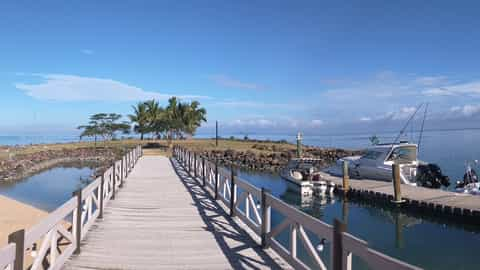
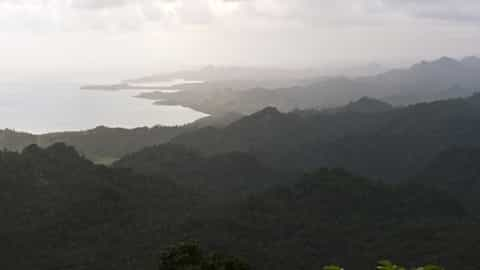
Fiji has no navigable river network for cruising. The equivalent is island-to-island blue-water cruising by small ship. Because the islands are relatively close together, guests get the unpack-once rhythm of a river cruise while waking up each morning in a new lagoon, anchorage, or village.
| Route | Length | Countries | Highlights |
|---|---|---|---|
| Mamanuca & Yasawa Islands aboard Fiji Princess | 4 or 7 nights | Fiji | Port Denarau, South Sea Island, Sawa-i-Lau caves, Yasawa village visits, Blue Lagoon beach, daily snorkelling and cultural ceremonies. |
| Northern Loop: Suva, Levuka, Savusavu, Dravuni | 10–14 nights | Fiji | Suva's museums, UNESCO-listed Levuka, Savusavu hot springs and black pearls, Dravuni Island and the Great Astrolabe Reef. |
| South Pacific Expedition: Fiji, Tonga, Samoa | 14–21 nights | Fiji, Tonga, Samoa | Remote outer islands, village welcomes, World War II and missionary history, offshore reefs, and expert naturalist lectures. |
Season: May to October is the prime cruising window, with drier weather, lower humidity, and calmer seas. November to April is the wet and tropical-cyclone season; local small-ship operators continue sailing but itineraries must be flexible.
Cruise lines visiting Fiji
Fiji is served by a small number of small-ship and expedition companies rather than mass-market megaships. The best experiences are on ships that can anchor in lagoons, use tenders or zodiacs, and offer genuine cultural engagement rather than theatre.
Captain Cook Cruises Fiji
Year-round small-ship cruises through the Mamanuca and Yasawa islands, departing from Port Denarau; occasional Suva and northern loop voyages.
Ships: Fiji Princess
Paul Gauguin Cruises
Luxury South Pacific itineraries that often include Suva, Savusavu, Levuka, and Dravuni Island, with tendered island landings and onboard Polynesian cultural specialists.
Ships: m/s Paul Gauguin
Ponant
Expedition-style voyages around Fiji and the Lau group with naturalists, zodiac landings, and a strong focus on remote islands and reef conservation.
Ships: Le Bellot, L'Austral
Silversea
Select South Pacific sailings calling at Suva, Savusavu, Lautoka, and Levuka on longer expedition itineraries.
Ships: Silver Cloud, Silver Moon
Seabourn
Occasional South Pacific cruises that include Fijian ports, with expedition teams on certain departures.
Ships: Seabourn Quest
Windstar Cruises
Small-ship sailings that include Fijian ports on South Pacific routes, with a watersports platform and an easygoing, unregimented atmosphere.
Ships: Star Breeze
Hurtigruten Expeditions
Expedition voyages crossing the Pacific that call at remote Fijian islands, with emphasis on nature, culture, and responsible travel.
Ships: MS Fram, MS Maud
Captain Cook Cruises Fiji is the only locally based overnight small-ship operator currently prominent in Fiji. International expedition and luxury lines call seasonally, often for just a few Fijian ports on a longer South Pacific voyage. The local small-ship experience is more intimate and casual; international ships offer higher service levels but less time in Fiji itself.
Planning & advice
This is a bucket-list destination that still feels personal. With small ships, no megaresort crowds, and a culture that greets you with 'bula', Fiji is ideal for milestone celebrations that want ceremony, nature, and genuine human connection without a checklist mentality.
For the American traveller
- Fly into Nadi International Airport and arrive at least two days before boarding; jet lag and tropical heat are the two biggest trip spoilers.
- Pack soft-sided luggage for small-ship cabins, plus reef shoes, sun protection, a light rain jacket, and modest clothing for village visits.
- Expect simple outer-island amenities; ice machines, gyms, and formal dining may be limited or absent.
- Buy comprehensive travel insurance that covers tenders, zodiac landings, and possible cyclone-season disruptions.
- If you fear being herded, avoid large-group resort shows and panoramic bus tours; choose small-ship excursions or vetted local guides who can set a personal pace.
- Respect Sundays: many villages close shops and attend church. It can be a beautiful, quiet day, but not one for aggressive scheduling.
Excursion planning
- Book tendered ports through the ship when tenders are limited; independent boats may not be permitted to transfer cruise passengers.
- In Savusavu and Levuka, talk to local guides at the dock; they are often the best storytellers and can tailor the walk to your pace.
- On Dravuni Island, bring water, reef shoes, and cash; there are no facilities.
- Ask permission before photographing people or entering village spaces; a simple 'bula' and a smile go a long way.
- Allow at least half a day for a kava ceremony; do not rush it. The ritual matters more than the drink.
The verdict
Fiji is not a place to 'do'; it is a place to be. For an American traveler marking a milestone, it delivers slow mornings on deck, warm-water reef snorkelling, and the rare feeling of being welcomed rather than processed. Go small-ship, go in the dry season, and leave room for serendipity.
Sources
- CIA World Factbook — Fiji (accessed 2026-09-09)
- Britannica — Fiji (accessed 2026-09-09)
- Tourism Fiji — Official Tourism Website (accessed 2026-09-09)
- Captain Cook Cruises Fiji — Fiji Princess Small-Ship Cruises (accessed 2026-09-09)
- Ponant — Fiji Cruises (accessed 2026-09-09)