Yasawa Cruise Port
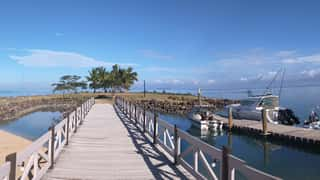
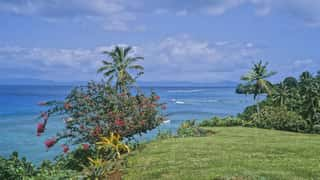
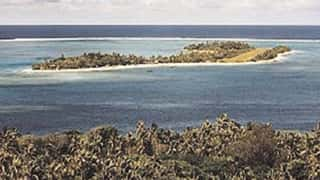
Tendering in the Yasawa Islands takes approximately 15 to 25 minutes depending on sea conditions in the South Pacific Ocean. You will land directly on the sand, so forget your leather shoes. Located in the Western Division of Fiji, north of the Mamanuca group, this archipelago rewards those who seek raw natural beauty over duty-free shopping. There are no malls, no paved roads, and no ATMs. It is roughly 80 km (50 miles) northwest of Nadi, a 3-hour journey by high-speed catamaran if you were staying on the mainland. As a pure ocean cruise port, the Yasawas punish the unprepared traveler. It is worth knowing that passengers who arrive without reef shoes often regret it within twenty minutes. If you want a manicured resort experience, stay on the ship. If you want to swim in caves that feel like the dawn of time, step into the tender. You are visiting a region where tribal protocols still dictate daily life. This isn't a performance for tourists; it is the rhythm of the islands. The humidity is 82% in January—plan your hydration accordingly. You are a guest of the local village, not just a passenger on a ship. Respect that, and the islands will open to you.
Yasawa Islands Anchorage

Yasawa, Fiji Port
UN/LOCODE FJYAS Port of call
Yasawa Cruise Port Location
| Port Details | |
|---|---|
| Country | Fiji |
| UN/LOCODE | FJYAS |
| Contact | |
| Address | Offshore Nanuya Lailai, Yasawa Islands, Fiji |
| Port phone | +679 666 0177 |
| Website | www.fiji.travel |
| Geography | |
| Coordinates | -16.77583, 177.51389 |
| Accessibility | |
| Accessible | Limited |
Tendering in the Yasawa Islands takes approximately 15 to 25 minutes depending on sea conditions in the South Pacific Ocean. You will land directly on the sand, so forget your leather shoes. Located in the Western Division of Fiji, north of the Mamanuca group, this archipelago rewards those who seek raw natural beauty over duty-free shopping. There are no malls, no paved roads, and no ATMs. It is roughly 80 km (50 miles) northwest of Nadi, a 3-hour journey by high-speed catamaran if you were staying on the mainland. As a pure ocean cruise port, the Yasawas punish the unprepared traveler. It is worth knowing that passengers who arrive without reef shoes often regret it within twenty minutes. If you want a manicured resort experience, stay on the ship. If you want to swim in caves that feel like the dawn of time, step into the tender. You are visiting a region where tribal protocols still dictate daily life. This isn't a performance for tourists; it is the rhythm of the islands. The humidity is 82% in January—plan your hydration accordingly. You are a guest of the local village, not just a passenger on a ship. Respect that, and the islands will open to you.
Yasawa — Port Overview
History
The Yasawa Islands remained largely shielded from Western influence until the mid-20th century. While the main island of Viti Levu saw colonial expansion, the Yasawas were famously skipped by Captain Bligh during his 1789 journey in a launch after the Mutiny on the Bounty. Bligh was actually chased by Fijian war canoes through what is now known as 'Bligh Water.' For centuries, these volcanic peaks served as strategic lookout points for Tui Vuda and other regional chiefs. Economic significance was historically tied to subsistence farming and fishing, but the 'discovery' of the islands by Hollywood in 1980 changed the trajectory. The filming of 'The Blue Lagoon' on Nanuya Lailai introduced the world to the region's white sands. This cinematic moment, while romanticized, established the infrastructure for small-scale, sustainable tourism. You can still see the limestone formations today that Brooke Shields swam through forty years ago. More importantly, the 'Sevusevu' tradition—the presentation of kava root to a village chief—remains the legal and spiritual entry requirement for any visitor. This history isn't tucked away in a museum; it's written in the strict land-ownership laws that keep these islands in communal Fijian hands. When you walk through a village, you are walking on land that has never been sold, only shared.
The Verdict
The Yasawa Islands reward those who arrive with a spirit of adventure and a deep respect for local tradition. This guide has been fact-checked by J. Richard and the Waterways Cruise editorial team. Excursions that guarantee a return to the ship can be tailored to your mobility, interests, and pace, so missing departure is never a concern. No two travelers want the same day ashore, especially in a destination as raw and rewarding as Fiji.
Things to Do & See in Yasawa
| Attraction | Type | Address | Phone | Hours | Website | Admission |
|---|---|---|---|---|---|---|
| Sawa-I-Lau Caves | Natural Feature | Sawa-I-Lau Island, Yasawa, Fiji | 8:30 AM – 4:00 PM (subject to tide) | fiji.travel | USD $30.00 FJD | |
| Nanuya Lailai (The Blue Lagoon) | Natural Feature | Nanuya Lailai Island, Fiji | Open 24 hours | fiji.travel | Free | |
| Naviti Island Village (Gunu) | Cultural Site | Gunu Village, Naviti Island, Fiji | Sunrise to Sunset (Sundays restricted) | fiji.travel | USD $15.00 FJD | |
| Westside Watersports Snorkel Site | Tourist Attraction | Offshore Drawaqa Island, Yasawa, Fiji | +679 666 7329 | Daily tours at 10:00 AM and 2:00 PM | fiji.travel | USD $95.00 FJD |
| Wayasewa Lookout | Landmark | Wayasewa Island, Yasawa, Fiji | Sunrise to Sunset | fiji.travel | Free |
Sawa-I-Lau Caves · Natural Feature
USD $30.00 FJDThis is the 'Grand Cathedral' of Fiji. According to local legend, these limestone caves are the resting place of the 10-headed ancient god, Ulutini. You enter a massive chamber where sunlight filters through a hole in the ceiling 50 feet above, turning the deep seawater into a glowing turquoise. Visitor feedback is consistent: it feels like a religious experience. The acoustics are hauntingly beautiful. Look for the small ferns growing in the limestone crevices—they are a unique sub-species found only in this microclimate. You will need to swim to see most of the cavern. The water is roughly 25°C (77°F). If you have the nerve, the guide will show you the 'birth canal'—the underwater tunnel to the second chamber. Even if you stay in the first room, the sheer scale of the limestone walls is breathtaking. Keep in mind that life jackets are mandatory for all swimmers here, regardless of ability. This is the one experience in the Yasawas that you simply cannot skip.
Sawa-I-Lau Island, Yasawa, Fiji ·8:30 AM – 4:00 PM (subject to tide) ·www.fiji.travel
Nanuya Lailai (The Blue Lagoon) · Natural Feature
FreeThe Blue Lagoon isn't just a movie set; it is a sprawling coral garden sheltered by three islands. The sand is remarkably white, composed of pulverized coral and shells. This is the primary 'recreation' stop in the Yasawas. The snorkeling here is exceptional because the bay is protected from the open South Pacific Ocean swells. You can find massive cabbage corals and schools of vibrant reef fish just 10 meters from the shoreline. The visibility is 30 meters on a clear day. For those who don't want to swim, the palm grove offers the best shade in the islands. It is a place of absolute stillness. No jet skis, no music, just the sound of the wind in the palms. Note that while the beach is free, the land behind it is privately owned by the local village—stay on the beach or marked trails to avoid trespassing. This is the place to simply 'be' in Fiji.
Nanuya Lailai Island, Fiji ·Open 24 hours ·www.fiji.travel
Naviti Island Village (Gunu) · Cultural Site
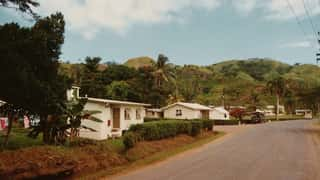
USD $15.00 FJDGunu is one of the most traditional villages in the Western Division. Visiting here is not a tourist performance; it is an entry into a communal society that has operated the same way for centuries. You will likely begin your visit with a 'Sevusevu'—presenting a bundle of kava root to the village headman. This grants you the status of a guest. The village is organized around a central green ('rara'), with neat rows of 'bures' (traditional thatched houses) and more modern concrete homes. You'll see the communal laundry area and the primary school where children from across the island congregate. The people of Gunu are famously hospitable, but they value their privacy. Always ask before taking a photo of an individual. You will notice that spending two hours here provides a more profound understanding of the 'Fiji Spirit' than any resort stay. It is an honest look at life where the ocean provides the food and the village provides the support system.
Gunu Village, Naviti Island, Fiji ·Sunrise to Sunset (Sundays restricted) ·www.fiji.travel
Westside Watersports Snorkel Site · Tourist Attraction
USD $95.00 FJDLocated in the channel between Drawaqa and Naviti islands, this is one of the premier snorkeling spots in the South Pacific Ocean. The nutrient-rich waters flowing through the channel attract a staggering array of marine life. From May to October, this is a prime spot for manta rays, which come here to feed on plankton. Their patterns have been tracked, and they are most active during the incoming tide. Even outside of manta season, the coral density here is incredible. You'll see purple staghorn coral, massive brain corals, and countless reef sharks (which are harmless). The water depth ranges from 2 to 10 meters. Most cruise excursions stop here, but taking a private longboat allows you to stay longer than the standard 45-minute group window. It is an immersive, high-energy marine experience that showcases the biological richness of the Yasawa group.
Offshore Drawaqa Island, Yasawa, Fiji ·+679 666 7329 ·Daily tours at 10:00 AM and 2:00 PM ·www.fiji.travel
Wayasewa Lookout · Landmark
FreeFor the best panoramic view of the archipelago, you must climb the peaks of Wayasewa. The trail starts in the village and winds upward through thick tropical vegetation before emerging onto the stark, volcanic ridgeline. From the summit, you can see the entire chain of islands stretching north toward Sawa-I-Lau. You'll see the distinct line where the turquoise lagoon meets the deep indigo of the open South Pacific Ocean. The geology here is fascinating; you are standing on the remnants of a massive volcanic caldera. It is a good idea to hire a local village youth as a guide for roughly $20 FJD; they know the best footholds and can identify the medicinal plants along the way. The climb takes about 40 minutes for a person of average fitness. The reward is a 360-degree view that puts the entire geography of your cruise into perspective. It is the most physically rewarding experience in the southern Yasawas.
Wayasewa Island, Yasawa, Fiji ·Sunrise to Sunset ·www.fiji.travel
Eating & Drinking in Yasawa
Fijian cuisine in the Yasawas is defined by the earth and the ocean. The most important regional dish is 'Kokoda'—raw mahi-mahi or tuna marinated in lime juice and served in a bowl of fresh coconut milk with diced chilies and onions. It differs from French Polynesian 'Poisson Cru' by its heavy reliance on thick, hand-squeezed coconut cream. You must also try 'Lovo' food—seafood, pork, and taro roots wrapped in banana leaves and slow-cooked in an underground oven. It has a distinct smoky flavor that you cannot find in any kitchen. For drinks, 'Kava' (yaqona) is the national beverage. It is a mildly sedative drink made from the crushed root of a pepper plant. It looks like muddy water and tastes like earthy pepper; it is served in a communal coconut shell ('bilo'). While tourists expect to eat tropical fruits like pineapple year-round, locals actually eat a lot of 'cassava' and 'dalo' (taro) as their primary starch. Find the genuine version at a village communal lunch, where the dalo is grown in the hillside gardens right behind the houses.
| Place | Address | Phone | Hours | Website | Price range |
|---|---|---|---|---|---|
| Lo's Tea Shop | Nanuya Lailai Island (Hilltop Trail), Fiji | 10:00 AM – 4:00 PM Daily | $15.00 FJD (~$6.50 USD) | ||
| Yasawa Island Resort (Main Pavilion) | Yasawa Island, Northern Yasawa, Fiji | +679 672 2266 | 12:00 PM – 2:30 PM (Lunch) | yasawa.com | $120.00 FJD (~$53.00 USD) |
| The Blue Lagoon Beach Bar | Nanuya Island Resort, Nanuya Lailai, Fiji | +679 666 7329 | 11:00 AM – Sunset (Happy Hour 5:00 PM – 6:00 PM) | nanuyaislandresort.com | $18.00 FJD (~$8.00 USD) |
Lo's Tea Shop
$15.00 FJD (~$6.50 USD)Perched on a ridge overlooking the Blue Lagoon, Lo has been serving cake and tea to weary travelers for decades. It is a simple wooden shed with spectacular views. Order the lemon cake—it's made with fruit from the trees you walked past on the trail. The ginger tea is spicy and refreshing in the heat. It is an honest, humble experience that defines the 'Bula' spirit. Note: Cash only, and they occasionally run out of cake by 2 PM.
Nanuya Lailai Island (Hilltop Trail), Fiji ·10:00 AM – 4:00 PM Daily
Yasawa Island Resort (Main Pavilion)
$120.00 FJD (~$53.00 USD)This is the pinnacle of island luxury. The dining room is open-air with cathedral ceilings and sweeping ocean views. The mud crab is caught locally and prepared with fresh Fijian spices. It is expensive for the region, but the quality of the seafood is unrivaled. One caveat: they prioritize resort guests, so you must call ahead to confirm they can accommodate a walk-in lunch.
Yasawa Island, Northern Yasawa, Fiji ·+679 672 2266 ·12:00 PM – 2:30 PM (Lunch)
The Blue Lagoon Beach Bar
$18.00 FJD (~$8.00 USD)This bar is literally on the sand. It's the perfect spot to wait for your return tender. The 'Yasawa Sunset' uses local rum and fresh pineapple juice. It's the only place on the island to get a properly chilled beer. Most locals drink kava, but they’ll join you here for a Fiji Gold at the end of the day.
Nanuya Island Resort, Nanuya Lailai, Fiji ·+679 666 7329 ·11:00 AM – Sunset (Happy Hour 5:00 PM – 6:00 PM)
Getting There & Around
Once you step off the tender, your primary mode of transport is your own two feet. The islands are connected by sandy trails and volcanic ridges. For travel between islands, you must use local 'longboats'—fiberglass boats with outboard motors. These act as the regional bus system. Expect to pay roughly $40 FJD (~$17.50 USD) for a short inter-island hop. There is no rideshare, no Uber, and no paved infrastructure. Cycling is not recommended as the trails are often soft sand or steep, rocky inclines. One navigation tip: locals use the 'mountain' peaks for orientation. If you get turned around on a jungle trail, head toward the sound of the ocean; you are never more than a 15-minute walk from a coastline on most of these narrow islands. Always ask for permission before walking through a village; the trails are often considered private communal property.
Itineraries & Sample Walks
4-Hour Shore Excursion in Yasawa
Sawa-I-Lau Caves
8:30 AM (120 min)
Enter the first cathedral-like cave via a short flight of steps. The water is cool and deep. If the tide allows, a local guide will assist you in swimming through a short underwater tunnel into a second, darker 'secret' chamber. It is an ethereal experience that most visitors describe as the highlight of Fiji.
- Ship's tender to the concrete landing jetty. (Free (Ship provided))
- Entry: $30.00 FJD ($13.50 USD)
- Look for the ancient inscriptions near the entrance. Most people rush for the water, but these markings are a rare link to the island's pre-colonial past.
Sawa-I-Lau Craft Market
10:45 AM (60 min)
Villagers from nearby Nabua and Tamusua bring their wares here. You'll find hand-carved kava bowls ('tanoa'), shell jewelry, and woven fans. It is the best place in the northern Yasawas to support the local economy directly.
- 1-minute walk from the cave exit. (Free)
- Entry: Free (Free)
- The woven pandanus fans are not just souvenirs; they are high-quality tools used by locals daily. They are worth the $15 FJD price tag.
Lunch Recommendation
Nanuya Island Resort (Beachfront Café)
It is the only place in the Yasawas offering a professional kitchen with fresh, locally caught seafood and views of the actual Blue Lagoon.
Order: Kokoda (Fijian Ceviche in coconut milk), Grilled Island Lobster
Nanuya Lailai Island, Fiji
Cost: $65.00 FJD (~$28.50 USD)
8-Hour Full Day Experience in Yasawa
Sawa-I-Lau Caves
9:00 AM (90 min)
Morning light is best for photography inside the first cave chamber.
- Tender from ship.
- Entry: $30.00 FJD ($13.50 USD)
- Wear your swimwear under your clothes; there are no changing rooms at the caves.
Nabua Village Visit
11:00 AM (120 min)
Participate in a traditional Sevusevu ceremony with the chief. Walk through the village to see the local school and community garden. This is a profound lesson in Fijian communal living.
- 15-minute longboat transfer. ($40.00 FJD (~$18.00 USD))
- Entry: Village donation $10.00 FJD ($4.50 USD)
- Bring a small gift of stationery for the village school; it is appreciated far more than money.
Blue Lagoon Beach (Nanuya Lailai)
2:30 PM (180 min)
Snorkel the 'inner' reef which is teeming with blue tangs and parrotfish. The water here stays calm even when the South Pacific Ocean is rough.
- 20-minute longboat transfer. ($50.00 FJD (~$22.00 USD))
- Entry: Free (Free)
- Swim out to the edge of the seagrass beds to see the resident blue sea stars.
Getting back to the ship
The latest safe time to depart any outlying island for the ship's anchorage is 90 minutes before the scheduled all-aboard. If your all-aboard is 5:00 PM, you must be in a boat heading back by 3:30 PM. A private longboat transfer back to the anchorage will cost roughly $50–$80 FJD (~$22–$35 USD) and takes 20-30 minutes. Public transit is non-existent, so you are entirely dependent on your ship's tender or a pre-arranged local boat. If you run late, contact the ship via the Port Agent number (usually on your daily program). The ship will rarely hold for independent passengers due to strict tidal windows for navigating the reefs. Missing the ship here means a $400 FJD (~$175 USD) water taxi ride back to the mainland and an expensive flight to the ship's next port, likely in another country.
Weather & Best Time to Visit Yasawa
Weather & What to Pack
Cruise season: May to October (Peak Season); November to April (Expedition Season)
24°C–31°C (75°F–88°F). Humidity averages 75%. Rainfall is heavy but brief in summer; winters are dry and breezy.
What to wear: Lightweight, breathable linen or moisture-wicking fabrics are essential. You must have reef shoes (closed-toe rubber) for the Sawa-I-Lau caves and beach landings. A wide-brimmed hat with a chin strap is necessary for the breezy tender rides. For village visits, a 'sulu' (sarong) is mandatory to cover your knees; both men and women should carry one. Avoid wearing hats or sunglasses on top of your head in villages, as the head is considered sacred.
Weather risks: Trade winds can exceed 25 knots in July/August, causing 'choppy' South Pacific Ocean conditions that may cancel tender operations for safety.
The 'winter' months of July and August offer the most comfortable walking temperatures but have the strongest winds.
| Season | Conditions | Hazards | Affected areas | Visitor advice |
|---|---|---|---|---|
| Wet Season (November–April) | High humidity, frequent afternoon downpours, and potential for tropical cyclones. | Limestone paths at Sawa-I-Lau become treacherous and slick. High surf can make tender landings on the beach difficult for those with balance issues. | Sawa-I-Lau Cave steps and the volcanic hiking trails on Wayasewa. | Wear closed-toe sandals with significant grip. Avoid hiking the ridges if rain has fallen in the last 24 hours; the volcanic clay becomes a slide. |
| Dry Season (May–October) | Lower humidity, clear skies, and consistent trade winds ('Southeast Trades'). | Intense UV exposure. The white sand of Nanuya Lailai reflects light upward, causing rapid sunburn even under umbrellas. | All open beaches and boat transfers. | Apply reef-safe sunscreen every 90 minutes. If snorkeling, wear a UV-rated rash guard to protect your back from the intense midday sun. |
Practical Information
Cultural etiquette
Fijian culture is deeply respectful and hierarchical. When entering a village, you must remove your hat and sunglasses; wearing anything on your head is an insult to the chief. Greet everyone with a warm 'Bula' (Hello). If you are visiting a village independently, you should ideally present a bundle of Kava root (available at mainland markets) to the chief in a ceremony called 'Sevusevu.' Dining is often done sitting on mats on the floor; never point your feet directly at another person or at the food, as this is considered extremely rude. If you are offered Kava, clap once, say 'Bula', drink the bowl in one go, then clap three times and say 'Vinaka' (Thank you). Photography of children is generally welcomed, but always ask parents first. Tipping is not expected in Fijian culture and can actually be awkward; if you want to show appreciation, a donation to the village school or community fund is much more appropriate. One common mistake cruise passengers make is walking through a village in swimwear. Always wrap a 'sulu' (sarong) around your waist and ensure your shoulders are covered. The village is someone's home, not a beach resort.
Mistakes to Avoid
| Mistake |
|---|
Wearing a hat or sunglasses inside a Fijian village. |
Not bringing enough FJD cash for the day. |
Attempting the Sawa-I-Lau caves without reef shoes. |
Missing the 'last tender' by relying on local boat timing. |
Practical tips
The Yasawas are a cash-only economy. Credit cards are only accepted at the few major resorts, and even then, satellite connections frequently fail. Tipping is not standard, but rounding up a longboat fare is a kind gesture. Learn these five phrases: 'Bula' (Hello), 'Vinaka' (Thank you), 'Vinaka vaka levu' (Thank you very much), 'Yandra' (Good morning), and 'Tulou' (Excuse me). There are no specific 'scams' here, but be wary of 'longboat' drivers who quote a price in USD when they mean FJD—always clarify currency before boarding. The dress code for villages is strict: knees and shoulders covered, no hats. To avoid the crowds at Sawa-I-Lau, aim to be on the very first tender at 8:00 AM. The water in the caves is purest in the morning before hundreds of swimmers have churned up the sediment. Finally, always carry a dry bag for your electronics; tender landings and longboat rides are rarely 100% dry.
Cruise Lines Visiting Yasawa
Port of Call




Why Book With Waterways Cruise?
Four decades of expertise, one dedicated advisor, and every detail handled, from your front door to the gangway and back.
Personal Service — Your Own Cruise Concierge
Tailor-Made — 100% Custom-Built
Expertise — 40+ Years in Travel
Price Watch — Book With Total Confidence
Signature Sailings
All Cruise Lines at Yasawa (A–Z)
Nearby Ports




FAQ — Yasawa
Are the Sawa-I-Lau caves safe for non-swimmers?
The first cave chamber is accessible via steps and you can stand in certain shallow areas, but to truly experience it, you must be comfortable in deep water. Life jackets are provided and are mandatory. If you cannot swim at all, you will be limited to the entry platform. For the second chamber, swimming is 100% required, including a brief underwater section. It is a good idea to stay in the first chamber if you have any doubts about your swimming ability in dark, enclosed spaces.
Can I use US Dollars to buy souvenirs in the villages?
Most villagers will not accept US Dollars as they cannot easily exchange them at a bank. You must have Fijian Dollars (FJD). A typical souvenir like a hand-woven fan costs $15 FJD (~$6.50 USD). If you only have USD, you will likely be overcharged significantly, or the vendor will simply refuse the sale. It is a good idea to carry at least $150 FJD in small denominations for a day in the Yasawas.
Do I need to worry about sea snakes while snorkeling?
You will likely see the Banded Sea Krait. They are highly venomous but extremely docile and have very small mouths. They are not aggressive toward humans. Thousands of snorkeling excursions in the South Pacific Ocean have been monitored with zero reports of bites. The rule is simple: do not touch them, and they will ignore you. They are a beautiful part of the ecosystem and a sign of a healthy reef.
Is there any cell service or internet in the Yasawa Islands?
Service is extremely spotty. You may get a weak '3G' signal near the larger resorts on Naviti or Yasawa Island, but once you enter the caves or go to the Blue Lagoon beach, you will likely have no service. Do not rely on Google Maps for navigation. Download offline maps or follow the well-marked trails. Consider informing family that you will be 'off-grid' for the duration of your Yasawa port call.
What is the 'Sevusevu' ceremony and do I have to do it?
If you are on an organized ship tour, the guide handles this. If you are independent and entering a village, you must present a bundle of Kava root (roughly $20 FJD) to the chief. This is a traditional request for residency for the day. Skipping this is considered a major sign of disrespect and may result in you being asked to leave the island. It is the legal and cultural foundation of Fijian land rights.
Is the water in the Sawa-I-Lau caves salt or fresh?
It is brackish but mostly salt water. The caves are tidal, meaning the water level rises and falls with the South Pacific Ocean. The salinity provides extra buoyancy, which helps less confident swimmers. However, the water is cooler than the open lagoon—roughly 24°C (75°F)—because it is shielded from the sun. A rash guard for both sun protection and a bit of warmth are recommended while in the caves.
Are there mosquitoes or Zika virus concerns in the Yasawas?
Mosquitoes are present, especially in the jungle trails and villages. While Zika is rare, Dengue Fever occurs periodically in Fiji. It is a good idea to use a high-DEET repellent if you are hiking or visit a village. On the open beaches and in the caves, the breeze usually keeps them away. There are no commercial pharmacies in the islands, so bring your own repellent from the ship.
Can I fly a drone in the Yasawa Islands?
Fiji has strict drone laws. You must register your drone with the Civil Aviation Authority of Fiji (CAAF) before arrival. Additionally, you must seek permission from the specific village that owns the land you are flying over. Many villages prohibit drones as they disturb the peace and privacy of the community. Never fly near a village or over the Sawa-I-Lau cave entrance without explicit local permission.
Is it true that I shouldn't wear a hat in the village?
Yes, this is a strict cultural rule. In Fijian tradition, only the chief is allowed to wear anything on his head. For a visitor to wear a hat (or even sunglasses on top of the head) is seen as a claim of superiority over the chief. Always carry your hat in your hand when walking through village boundaries. Failure to do this will result in a polite but firm correction from a local.
What should I do if I get stung by coral or a jellyfish?
Rinse the area with vinegar (local guides usually carry some) or salt water—never fresh water, which can trigger more venom release. There are no hospitals in the Yasawas; the nearest clinic is on the mainland. If the sting is severe, return to the ship's medical center immediately. To avoid this, never touch the coral and wear a full-body rash guard while snorkeling in the South Pacific Ocean.
Fact-checked and co-written by J. Richard, Founder, Waterways Cruise, with the Waterways Cruise Content Team.
Published May 19, 2026 · Last updated November 2, 2026
This guide is researched and reviewed by our editorial team, but prices, hours, and availability change often. Confirm current details directly with venues, excursion operators, and your cruise line before you travel.