Mangalore Cruise Port
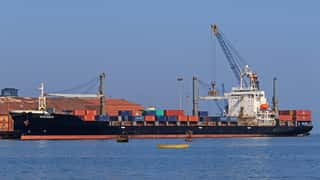
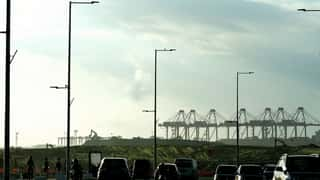
The cruise berth at New Mangalore is located within a high-security industrial zone where walking is strictly prohibited; you must utilize the port-provided shuttle or an authorized taxi to reach the port gate, a 10-minute transit. Situated in the coastal Canara region of Karnataka in southwestern India, this destination serves as the primary gateway to the lush Western Ghats and the heritage sites of the Arabian Sea coast. Visitor feedback is consistent that the city rewards those who focus on its distinct religious architecture rather than those looking for a traditional 'strollable' city center. Mangalore is an ocean cruise port that punishes travelers who arrive without a plan, as major attractions like the Kadri Manjunatha Temple often close between 1:00 PM and 4:00 PM. You are roughly 60 km (~37 miles) south of the famous temple city of Udupi, a 90-minute drive, and 35 km (~22 miles) west of the Jain heritage center of Moodabidri, about an hour away. The city is a fascinating blend of Catholic influence—seen in the 'Sistine Chapel of India'—and ancient Hindu traditions. It is worth knowing that while the port infrastructure is basic, the cultural depth is immense if you manage the heat and the midday closures effectively. This destination rewards the curious but punishes the unguided.
New Mangalore Port Authority (NMPA)


Mangalore, India Port
UN/LOCODE INIXE Port of call Homeport
Mangalore Cruise Port Location
| Port Details | |
|---|---|
| Country | India |
| UN/LOCODE | INIXE |
| Contact | |
| Address | Panambur, Mangaluru, Karnataka 575010, India |
| Port phone | +91 824 240 7341 |
| Website | www.newmangaloreport.gov.in |
| Geography | |
| Coordinates | 12.94170, 74.84110 |
| Accessibility | |
| Accessible | Limited |
The cruise berth at New Mangalore is located within a high-security industrial zone where walking is strictly prohibited; you must utilize the port-provided shuttle or an authorized taxi to reach the port gate, a 10-minute transit. Situated in the coastal Canara region of Karnataka in southwestern India, this destination serves as the primary gateway to the lush Western Ghats and the heritage sites of the Arabian Sea coast. Visitor feedback is consistent that the city rewards those who focus on its distinct religious architecture rather than those looking for a traditional 'strollable' city center. Mangalore is an ocean cruise port that punishes travelers who arrive without a plan, as major attractions like the Kadri Manjunatha Temple often close between 1:00 PM and 4:00 PM. You are roughly 60 km (~37 miles) south of the famous temple city of Udupi, a 90-minute drive, and 35 km (~22 miles) west of the Jain heritage center of Moodabidri, about an hour away. The city is a fascinating blend of Catholic influence—seen in the 'Sistine Chapel of India'—and ancient Hindu traditions. It is worth knowing that while the port infrastructure is basic, the cultural depth is immense if you manage the heat and the midday closures effectively. This destination rewards the curious but punishes the unguided.
Mangalore — Port Overview
History
New Mangalore’s strategic importance stems from its position between the Gurupura and Netravati rivers as they meet the Arabian Sea. While the region’s history dates back to the 2nd-century writings of Ptolemy, its modern significance was forged in the 18th century. In 1763, Hyder Ali, the ruler of Mysore, established a naval dockyard here, recognizing the port as a vital link for trade and defense against European powers. His son, Tipu Sultan, further fortified the city, and the remains of the Sultan Battery (built in 1784) still stand as a testament to this era of intense maritime conflict. The British East India Company eventually seized control in 1799 following the fall of Seringapatam, transforming the city into a major export hub for coffee, spices, and the world-renowned 'Mangalore Tiles.' This colonial period also saw the expansion of the Roman Catholic community, leading to the construction of St. Aloysius Chapel in 1880, which today houses some of the most significant frescoes in Southern Asia. This intersection of Mysorean military ambition and European missionary influence created the architectural and cultural landscape you see today. You will find that the city’s identity is still anchored in this 19th-century boom, where industrial progress met deep-seated religious devotion, a duality visible in the proximity of the massive modern port to ancient stone temples.
The Verdict
New Mangalore is a port that rewards the prepared traveler. Travelers who benefit most from this port are the ones who arrive with a plan and the flexibility to adapt to the heat and the midday temple closures. This guide has been fact-checked by J. Richard and the Waterways Cruise editorial team. Choosing an excursion that guarantees your return to the ship lets you match the day to your mobility and pace without worrying about departure time. In Mangalore, the right car and the right timing are the keys to a successful day.
Things to Do & See in Mangalore
| Attraction | Type | Address | Phone | Hours | Website | Admission |
|---|---|---|---|---|---|---|
| St. Aloysius Chapel | Cultural Site | P B No 501, Kodialbail, Mangaluru, Karnataka 575003 | +91 824 244 9700 | 9:00 AM – 1:00 PM, 2:30 PM – 5:00 PM | staloysius.edu.in | Free |
| Kudroli Gokarnath Temple | Historical Site | Kudroli, Mangaluru, Karnataka 575003 | +91 824 249 2235 | 6:00 AM – 1:00 PM, 4:00 PM – 8:30 PM | Not available | Free |
| Kadri Manjunatha Temple | Historical Site | Kadri Hill, Mangaluru, Karnataka 575002 | +91 824 221 4176 | 6:00 AM – 1:00 PM, 4:00 PM – 8:00 PM | Not available | Free |
| Bejai Museum (Seemanthi Bai Government Museum) | Museum | Bejai, Mangaluru, Karnataka 575004 | +91 824 221 1730 | 10:00 AM – 5:30 PM (Closed Mondays) | Not available | USD ₹20 |
| Panambur Beach | Natural Feature | Panambur, Mangaluru, Karnataka 575010 | Open 24 hours (Lifeguards until sunset) | Not available | Free |
St. Aloysius Chapel · Cultural Site
FreeThis is the single most important cultural site in Mangalore. Built by the Jesuits in the late 19th century, every square inch of the interior is covered in frescoes and tempera paintings. Unlike the stone temples, this is a sanctuary of silence and European-style art. Visitor feedback consistently indicates that and discovered that those who spent at least 45 minutes here found it to be the highlight of their entire Indian coastal itinerary. The detail is staggering, ranging from the life of Jesus to the history of the Jesuit order. You will find that the preservation work is excellent. When you stand in the center of the nave, the frescoes on the ceiling look as though they are vibrating with color. It is a sensory experience that justifies the entire stop in Mangalore. Be sure to look at the 'mock' marble pillars—they are actually wood painted so skillfully that they deceive the eye. It delivers a moment of profound artistic peace.
P B No 501, Kodialbail, Mangaluru, Karnataka 575003 ·+91 824 244 9700 ·9:00 AM – 1:00 PM, 2:30 PM – 5:00 PM ·www.staloysius.edu.in
Kudroli Gokarnath Temple · Historical Site
FreeEstablished in 1912 by the reformer Narayana Guru, this temple was built specifically to allow entry to all castes, a revolutionary act at the time. It is a riot of color, featuring a massive gold-painted Gopuram (tower). It is worth noting that American travelers appreciate the cleanliness and organized layout of this complex compared to the more ancient sites. You will see a large, open-air assembly hall and several smaller shrines dedicated to different deities. The central shrine to Gokarnanatha (Shiva) is the heart of the complex. The experience here is one of vibrant devotion—smell the incense, hear the bells, and watch the local rituals. It is a place that rewards those who take the time to sit and observe the rhythm of the devotees. Most guides focus only on the main tower, but consider spending time in the rear courtyard to see the smaller, exquisitely detailed shrines. It delivers a powerful introduction to the living traditions of modern Hinduism.
Kudroli, Mangaluru, Karnataka 575003 ·+91 824 249 2235 ·6:00 AM – 1:00 PM, 4:00 PM – 8:30 PM ·Not available
Kadri Manjunatha Temple · Historical Site
FreeThis 10th-century temple is a masterclass in ancient stone architecture. It is dedicated to Manjunatha, a form of Lord Shiva, and is famous for its natural water tanks that are fed by a perennial spring from the Kadri hills. According to local history, the water is said to have healing properties. Visitors who followed this route reported that the climb to the top spring is worth the effort for the view and the sense of antiquity. The architecture is a mix of Buddhist and Hindu styles, reflecting the complex religious history of the region. This is where you come to see the 'old' Mangalore, far from the modern port and malls. The carvings on the outer walls are weather-worn but still show incredible craftsmanship. It is an experience that delivers a deep sense of time and spiritual continuity. Skip this if you cannot manage stairs, but if you can, it provides the most authentic 'ancient India' moment in the city.
Kadri Hill, Mangaluru, Karnataka 575002 ·+91 824 221 4176 ·6:00 AM – 1:00 PM, 4:00 PM – 8:00 PM ·Not available
Bejai Museum (Seemanthi Bai Government Museum) · Museum
USD ₹20Housed in a building designed to look like a ship, this museum contains a significant collection of artifacts from the coastal Karnataka region. You'll find ancient coins, weapons, and sculptures dating back centuries. The walking time here is minimal, but the lack of accessibility is a major factor. It is worth 30 to 45 minutes if you are interested in the physical history of the region—especially the colonial-era weapons and the various incarnations of Hindu deities in stone. It is worth noting that while it lacks modern curation, it is the only place in the city where you can see the disparate threads of Mangalore's history in one place. It delivers a quiet, academic break from the sensory overload of the temples and markets. Do not bother with this if you only have 4 hours; prioritize the Chapel and Kudroli Temple instead.
Bejai, Mangaluru, Karnataka 575004 ·+91 824 221 1730 ·10:00 AM – 5:30 PM (Closed Mondays) ·Not available
Panambur Beach · Natural Feature
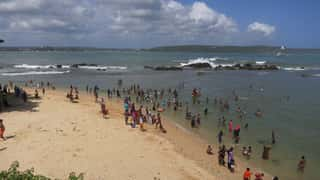
FreeLocated very close to the port gate, Panambur is the city's most popular local beach. You will see camel rides, stalls selling fried snacks, and local families enjoying the water. The consistent feedback from visitors is that one of disappointment. It is not the pristine palm-fringed paradise seen in Kerala. The sand is dark and often contains industrial debris from the nearby port. However, if you are simply looking for a quick breath of sea air and a look at the Arabian Sea without a long drive, it is an option. It delivers a candid look at local Indian leisure life but lacks any tourist polish. Most visitors walk past the snack stalls—it is advisable to avoid them unless one has a strong constitution; staying on the ship or going to the city are alternatives.
Panambur, Mangaluru, Karnataka 575010 ·Open 24 hours (Lifeguards until sunset) ·Not available
Eating & Drinking in Mangalore
Mangalorean cuisine is defined by the coconut, the chili, and the tamarind. What makes it different from other Indian regions is the use of 'Ghee Roast'—a cooking style where meat or seafood is slow-cooked in clarified butter with a thick, spicy red paste. You must try Neer Dosa, a thin, lacy rice crepe that is the perfect vehicle for fish curry. To drink, try 'Sol Kadi,' a refreshing pink drink made from kokum fruit and coconut milk that aids digestion. You can find the best street food near the Central Market, where vendors sell 'Goli Baje' (fried flour dumplings). One honest note: tourists often expect 'Chicken Tikka Masala,' but that is North Indian. Here, locals eat 'Kori Rotti'—a spicy chicken curry poured over crisp, wafer-thin rice crackers. For the genuine version, head to a dedicated 'meals hotel' rather than a multi-cuisine restaurant.
| Place | Address | Phone | Hours | Price range |
|---|---|---|---|---|
| Machali | Sharada Vidyalaya Rd, Kodialbail, Mangaluru, Karnataka 575003 | +91 77200 01133 | 11:30 AM – 3:30 PM, 7:00 PM – 10:00 PM | ₹600–₹900 (~$7.00–$10.50 USD) |
| Giri Manja's | Bhavanthi St, Hampankatta, Mangaluru, Karnataka 575001 | +91 99000 00088 | 12:00 PM – 3:30 PM | ₹400–₹600 (~$4.50–$7.00 USD) |
| The Onyx Air Lounge | MG Road, Kodialbail, Mangaluru, Karnataka 575003 | +91 824 427 7777 | 11:00 AM – 11:30 PM | ₹400–₹700 (~$4.50–$8.00 USD) |
Machali
₹600–₹900 (~$7.00–$10.50 USD)This is a no-frills, high-turnover seafood specialist. Name exactly what to order: the Anjal Tawa Fry. The fish is caught daily from the Arabian Sea and coated in a secret blend of Mangalorean spices. What makes it worth the stop is the freshness—you will taste the sea. It is crowded and noisy, but the service is efficient. One honest limitation: it is not fancy, and you may have to wait 10 minutes for a table. If you want white tablecloths, this is not it; if you want the best fish in the city, it is.
Sharada Vidyalaya Rd, Kodialbail, Mangaluru, Karnataka 575003 ·+91 77200 01133 ·11:30 AM – 3:30 PM, 7:00 PM – 10:00 PM
Giri Manja's
₹400–₹600 (~$4.50–$7.00 USD)Located in a small alley in Hampankatta, this restaurant feels like eating in someone’s home. Order the Fish Thali and add a side of Squid Ghee Roast. The flavors are intense and unapologetically spicy. It is worth the stop for the atmosphere alone—you'll see the traditional 'service with a smile' and incredibly fast delivery. The limitation here is the spice level; if you have a sensitive palate, ask for 'less spice' though 'mild' doesn't really exist here.
Bhavanthi St, Hampankatta, Mangaluru, Karnataka 575001 ·+91 99000 00088 ·12:00 PM – 3:30 PM
The Onyx Air Lounge
₹400–₹700 (~$4.50–$8.00 USD)The right place for a drink because it offers an air-conditioned indoor area and a breezy rooftop. After a day of humid temple visits, the cold local Kingfisher beer or their signature cocktails are a relief. You'll see the affluent local crowd here. It offers a great view of the city's skyline as the sun begins to set.
MG Road, Kodialbail, Mangaluru, Karnataka 575003 ·+91 824 427 7777 ·11:00 AM – 11:30 PM
Getting There & Around
Once you clear the industrial port zone of the Arabian Sea, the most efficient way to navigate Mangalore is by auto-rickshaw or private taxi. The transit time from the port gate to the city center takes about 20 minutes. Auto-rickshaws are plentiful and a quintessential Indian experience; expect to pay ₹100–₹200 (~$1.15–$2.30 USD) for short hops within the city. For a full day, it is a good idea to hire a private air-conditioned car, which typically costs ₹2,500–₹3,500 (~$29.00–$40.00 USD) for 8 hours. Uber operates in Mangalore and is generally reliable and cheaper than street taxis, but you will need local data or a working international plan. Most visitors overlook the local bus system, which is very cheap but notoriously fast and crowded—not recommended for those with mobility concerns. One navigation tip: many streets have multiple names (official vs. local). Always use landmarks like 'St. Aloysius Chapel' or 'Kudroli Temple' when directing drivers rather than street addresses.
Itineraries & Sample Walks
4-Hour Shore Excursion in Mangalore
St. Aloysius Chapel
9:00 AM (60 min)
Often called the 'Sistine Chapel of India,' the entire interior was painted by Italian Jesuit Antonio Moscheni in 1899. The frescoes cover every square inch of the walls and ceiling. Be aware that photography is strictly prohibited inside.
- 20-minute taxi from the port gate. (₹800 (~$9.00 USD) for taxi)
- Entry: Free (Donations encouraged) (Free)
- Look for the painting of the 'Life of St. Aloysius' on the ceiling—the artist painted it on canvas on the floor and then fixed it to the ceiling to avoid the strain of painting overhead.
Kudroli Gokarnath Temple
10:30 AM (60 min)
A stunning, vibrant temple complex dedicated to Lord Shiva. Unlike older stone temples, this features bright gold finishes and numerous statues. The atmosphere is welcoming to foreigners.
- 10-minute taxi from the Chapel. (₹150 (~$1.75 USD))
- Entry: Free (Free)
- Visit the side shrine with the 12 Jyotirlingas, which are rarely found together in a single temple complex.
Lunch Recommendation
Machali
While high-end hotels offer generic buffets, Machali provides the most authentic, fresh-catch seafood experience in the city. It is where locals go for the real Mangalorean spice palette.
Order: Anjal (Kingfish) Tawa Fry, Prawn Ghee Roast with Neer Dosa
Behind Ocean Pearl, Sharada Vidyalaya Rd, Kodialbail, Mangaluru
Cost: ₹600–₹800 (~$7.00–$9.00 USD)
8-Hour Full Day Experience in Mangalore
Achal Cashew Factory
8:30 AM (45 min)
Mangalore is the cashew capital of India. Witness the intricate manual process of shelling, peeling, and grading the nuts. It is an eye-opening look at local industry.
- 25-minute taxi from the port gate. (₹1,000 (~$11.50 USD))
- Entry: Free (Requires pre-arrangement for tours) (Free)
- The factory shop sells 'export quality' cashews at prices roughly 40% lower than US retail; the salted variety is a client favorite.
Kadri Manjunatha Temple
10:00 AM (60 min)
Dating back to the 10th century, this temple features a unique bronze statue of Lokeshwar and natural water springs called 'Gomukha'. The carvings are some of the finest in the district.
- 15-minute taxi. (₹200 (~$2.30 USD))
- Entry: Free (Free)
- Walk past the main shrine to the seven sacred ponds (Sapta Konkani) to see the water that flows perpetually from the hills.
St. Aloysius Chapel
11:30 AM (60 min)
See the frescoes while the light is at its peak; the ceiling details are easier to discern at midday.
- 15-minute taxi. (₹200 (~$2.30 USD))
- Entry: Free (Free)
- The sacristy often has a small museum with Jesuit artifacts that many visitors walk right past.
Getting back to the ship
To guarantee your return before a typical 5:00 PM all-aboard, you should leave the city center (Hampankatta area) no later than 3:45 PM. Traffic in Mangalore can be unpredictable, especially near the port gate where industrial trucks bottleneck. A taxi back to the port lounge will take roughly 25-30 minutes and cost ₹800 (~$9.00 USD). If you miss the ship, contact the Port Agent listed on your daily program; New Mangalore is not a hub, so catching up to the ship usually requires a flight to Mumbai or Cochin. The ship will not hold for independent passengers. One honest statement: if you miss the departure, the logistics of leaving the secure port zone without a ship's pass are notoriously difficult and will require port authority intervention.
Weather & Best Time to Visit Mangalore
Weather & What to Pack
Cruise season: October to March
24°C to 33°C (75°F to 91°F). Very high humidity, virtually no rain during the peak months.
What to wear: Lightweight, breathable cotton or linen is essential for the 30°C+ heat. You must dress modestly for temples: shoulders and knees must be covered for all genders. Avoid tank tops or short shorts. Comfortable walking shoes are a must for uneven temple stones, but they should be easy to slip off as you must enter temples barefoot. A light scarf is useful for women.
Weather risks: Sudden heat spikes can lead to exhaustion. While rare in winter, afternoon thunderstorms can occur in October.
The humidity drops slightly in January, making it the most comfortable month for sightseeing.
| Season | Conditions | Hazards | Affected areas | Visitor advice |
|---|---|---|---|---|
| Winter (October to February) | This is the primary cruise season. Days are sunny and dry with temperatures ranging from 24°C to 32°C (75°F to 90°F). | Intense UV exposure on the exposed stone steps of temples like Kadri. Dehydration is a risk during long walks in the temple complexes. | Kadri Temple complex, Kudroli Temple, and Panambur Beach. | Wear breathable cotton clothing and a wide-brimmed hat. Always carry a bottle of water, as shade is limited in the large temple courtyards. |
| Pre-Monsoon / Summer (March to May) | Extremely hot and humid. Temperatures often exceed 35°C (95°F) with high humidity levels. | Heat exhaustion is a genuine threat for older travelers. Stone floors at temples can become painfully hot for those required to remove shoes. | All outdoor sites, particularly the open plazas of Kudroli Gokarnath Temple. | Limit outdoor activity to the early morning. Plan indoor visits like St. Aloysius Chapel for the hottest part of the day (12:00 PM – 2:00 PM). Carry socks to wear inside temples to protect your feet from hot stone floors. |
Practical Information
Cultural etiquette
Locals greet each other with a slight nod or 'Namaste' with joined palms. As a tourist, a polite 'Namaste' is always appreciated. In temples, you must remove your shoes and leave them at the designated counter (usually for a small fee of ₹10). Never touch a statue or enter the inner sanctum unless explicitly invited by a priest. Photography is almost always forbidden inside the main shrines and at St. Aloysius Chapel—always look for signs. When dining, eating with your right hand is the norm, though spoons are readily available for tourists. Splitting dishes is common and expected. Tipping is not mandatory but rounding up the bill or leaving 5-10% at restaurants is standard practice; for taxi drivers, a ₹50–₹100 (~$0.60–$1.15 USD) tip for a day's service is generous. A common misunderstanding is the 'head bobble'—in Mangalore, a side-to-side tilt usually means 'yes' or 'I understand,' not 'no.' Dress conservatively to avoid causing offense; this is a traditional city.
Mistakes to Avoid
| Mistake |
|---|
Waiting until the afternoon to visit the major Hindu temples. |
Trying to walk from the ship to Panambur Beach. |
Wearing complicated lace-up shoes for a day of temple visits. |
Ignoring the Cashew Factory because it sounds like a 'tourist trap'. |
Practical tips
In Mangalore, cash is king for auto-rickshaws, small shops, and temple donations; however, major restaurants and malls accept Visa and Mastercard. Always carry small denominations of Indian Rupees (INR). The tipping norm is 5-10% in sit-down restaurants. Five useful Tulu words (the local language) to earn goodwill: 'Namaskara' (Hello), 'Yensalu' (How are you?), 'Maapu' (Sorry), 'Solmelu' (Thank you), and 'Yedde' (Good). Be wary of the 'closed for renovation' scam where taxi drivers try to take you to an expensive jewelry shop instead of a temple; insist on your destination. Dress code for temples requires covered shoulders and legs. To avoid crowds at the St. Aloysius Chapel, arrive by 9:15 AM before the first wave of tour buses. Also, carry your own toilet paper and hand sanitizer, as these are rarely provided in public facilities.
Cruise Lines Visiting Mangalore
Port of Call




Why Book With Waterways Cruise?
Four decades of expertise, one dedicated advisor, and every detail handled, from your front door to the gangway and back.
Personal Service — Your Own Cruise Concierge
Tailor-Made — 100% Custom-Built
Expertise — 40+ Years in Travel
Price Watch — Book With Total Confidence
Signature Sailings
All Cruise Lines at Mangalore (A–Z)
Nearby Ports




FAQ — Mangalore
Is it safe to drink the tap water in Mangalore?
No, you must never drink tap water in Mangalore. A high reliance on bottled water is evident even among local middle-class residents. Always insist on 'sealed' bottled water (brands like Bisleri or Kinley) and avoid ice in drinks unless you are at a 5-star hotel like the Vivanta. Most independent restaurants use filtered water for cooking, but for drinking, stick to bottles. For guaranteed health safety, carry a bottle from the ship. It is a good idea to check the seal of every bottle you purchase.
Can I use US Dollars to pay for taxis in Mangalore?
Generally, no. While some drivers near the port might accept a $10 or $20 bill, they will give you a very poor exchange rate. Most auto-rickshaws and small vendors only accept Indian Rupees (INR). It is a good idea to withdraw ₹2,000–₹3,000 (~$23–$35 USD) from an ATM at the City Centre Mall to cover your day's incidentals. For larger purchases like silk or high-end dining, credit cards are widely accepted.
What is the 'Sistine Chapel of India'?
This refers to St. Aloysius Chapel, located in the heart of Mangalore. It earned this nickname because its entire interior was painted by a single artist, Antonio Moscheni, in the late 19th century. The frescoes are world-class and unique in Southern India. The chapel is a 20-minute drive from the port. Note that it closes between 1:00 PM and 2:30 PM, so time your visit accordingly. Entry is free, but silence and modest dress are strictly enforced.
Do I need to cover my head in Hindu temples?
No, head covering is not required in Hindu temples in Mangalore (unlike Sikh Gurdwaras). However, you must cover your shoulders and knees. Many temples will provide a 'dhoti' (wrap) at the entrance for a small fee if your attire is deemed inappropriate. Removing shoes is mandatory. It is a good idea to carry a pair of socks to wear inside temples if the stone floors are too hot for your feet.
Is there free Wi-Fi at the New Mangalore port terminal?
There is a 'NMPA Free Wi-Fi' network in the cruise lounge, but be aware that it is often unreliable. It requires an Indian mobile number for an OTP (one-time password) verification, which many international travelers cannot receive. Do not rely on it for navigation. It is best to download offline maps of Mangalore before you leave the ship's internet zone.
What are the best souvenirs to buy in Mangalore?
The top three items are Cashew nuts, Mangalore Halwa (a sweet made with ghee and nuts), and Sandalwood carvings. A 500g bag of premium cashews costs around ₹550 (~$6.50 USD). Ensure you buy from reputable outlets like Achal to guarantee freshness. Be aware of customs regulations in your home country regarding the import of nuts and wood products.
How far is the Udupi Krishna Temple from the port?
The temple is 60 km (~37 miles) north of the port. The drive takes approximately 90 minutes each way due to traffic on the NH-66 highway. A round-trip taxi will cost roughly ₹3,000 (~$35.00 USD). As at least 2 hours are needed to see the temple complex and have lunch, this excursion is only recommended if the ship is in port for at least 8 hours.
Are there any 'tourist-only' taxes I should know about?
There is no specific tourist tax, but most services and goods are subject to GST (Goods and Services Tax), which is usually included in the displayed price. Some temples may charge a 'Camera Fee' of ₹50–₹100 (~$0.60–$1.15 USD), though many now ban photography entirely in the inner sanctums. Always ask for a receipt at the prepaid taxi counter.
Is Mangalore a good place for shopping for clothes?
Yes, specifically for silk and high-quality cotton. KS Rao Road is the main shopping artery. Sadanand Silks is a trusted local name for authentic sarees and fabric. A high-quality silk scarf will cost approximately ₹1,200 (~$14.00 USD). Prices are fixed in major stores, so bargaining is not expected there, unlike in the street markets.
Is the city of Mangalore hilly?
Yes, Mangalore is built on several hills overlooking the Arabian Sea. While the port area is flat, the city center and temple districts like Kadri involve significant inclines and stone steps. The climb to the top of Kadri Hill is approximately 40 steps. This makes the city challenging for those with severe mobility issues who wish to explore on foot.
Fact-checked and co-written by J. Richard, Founder, Waterways Cruise, with the Waterways Cruise Content Team.
Published May 19, 2026 · Last updated November 2, 2026
This guide is researched and reviewed by our editorial team, but prices, hours, and availability change often. Confirm current details directly with venues, excursion operators, and your cruise line before you travel.