Oarai Cruise Port
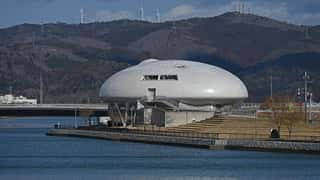
The cruise pier at Oarai is an industrial berth located 1.8 km (1.1 miles) from the Oarai Town center, a distance that takes 6 minutes by taxi at a cost of approximately ¥1,200 (~$7.50 USD). Located in the Kantō region of eastern Japan, Oarai is the maritime gateway to Ibaraki Prefecture, a destination often overlooked by first-time travelers rushing toward Tokyo. The transit to Tokyo takes nearly 2 hours each way via the Joban Line; attempting a Tokyo day-trip on a standard 8-hour port call is a high-risk strategy that sacrifices the best local experiences. Instead, Oarai rewards those who stay within the prefecture, offering the dramatic Kamiiso-no-Torii gate standing against the Pacific Ocean and the world-renowned seasonal blooms of Hitachi Seaside Park. This port is situated just 15 km (9 miles) from Mito, home to one of Japan’s three great gardens, Kairakuen, and 30 km (18.5 miles) from the Hitachi industrial hub. As an ocean cruise port, Oarai provides a direct, deep-water docking experience that avoids the time-consuming tender operations common in smaller Japanese coastal towns. This destination rewards the curious traveler who values cultural authenticity and Pacific coastal scenery, but it punishes those who do not pre-book transport, as the industrial terminal lacks immediate walk-off appeal or readily available public transit at the gangway.
Oarai Port Pier 4

Oarai, Japan Port
UN/LOCODE JPOAR Port of call Homeport
Oarai Cruise Port Location
| Port Details | |
|---|---|
| Country | Japan |
| UN/LOCODE | JPOAR |
| Contact | |
| Address | 4-chome Minato-chuo, Oarai, Higashiibaraki District, Ibaraki 311-1305, Japan |
| Port phone | +81 29-267-2401 |
| Website | www.pref.ibaraki.jp |
| Geography | |
| Coordinates | 36.41100, 140.58389 |
| Accessibility | |
| Accessible | Limited |
The cruise pier at Oarai is an industrial berth located 1.8 km (1.1 miles) from the Oarai Town center, a distance that takes 6 minutes by taxi at a cost of approximately ¥1,200 (~$7.50 USD). Located in the Kantō region of eastern Japan, Oarai is the maritime gateway to Ibaraki Prefecture, a destination often overlooked by first-time travelers rushing toward Tokyo. The transit to Tokyo takes nearly 2 hours each way via the Joban Line; attempting a Tokyo day-trip on a standard 8-hour port call is a high-risk strategy that sacrifices the best local experiences. Instead, Oarai rewards those who stay within the prefecture, offering the dramatic Kamiiso-no-Torii gate standing against the Pacific Ocean and the world-renowned seasonal blooms of Hitachi Seaside Park. This port is situated just 15 km (9 miles) from Mito, home to one of Japan’s three great gardens, Kairakuen, and 30 km (18.5 miles) from the Hitachi industrial hub. As an ocean cruise port, Oarai provides a direct, deep-water docking experience that avoids the time-consuming tender operations common in smaller Japanese coastal towns. This destination rewards the curious traveler who values cultural authenticity and Pacific coastal scenery, but it punishes those who do not pre-book transport, as the industrial terminal lacks immediate walk-off appeal or readily available public transit at the gangway.
Oarai — Port Overview
History
Oarai’s identity has been inextricably linked to the Pacific Ocean since the foundation of the Oarai Isosaki Shrine in 856 AD. According to local lore, two deities descended to the coastline here to help the people, a legend that established the town as a spiritual beacon for mariners for over a millennium. During the Edo period (1603–1867), the region gained prominence under the powerful Mito Clan, one of the three branches of the ruling Tokugawa family. The Mito lords transformed the nearby city of Mito into a center of scholarship and landscape design, creating the Kairakuen Garden in 1842 to provide a place for both the ruling class and commoners to enjoy nature—a revolutionary concept at the time. In the 20th century, Oarai evolved from a quiet fishing village into a strategic industrial and transportation port. While the town suffered significant damage during the March 2011 Great East Japan Earthquake and subsequent tsunami, the reconstruction was swift and comprehensive. Visitors today will see a modern, resilient town where the ancient Torii gate—which miraculously stood firm against the 2011 waves—serves as a symbol of Japanese endurance. The history of the region is visible in the stark contrast between the sleek, post-tsunami architecture of the Aqua World aquarium and the weathered, centuries-old stone steps leading to the Isosaki Shrine.
The Verdict
Oarai is a destination that rewards travelers who trade the frantic pace of Japan’s megacities for the serene rhythm of the Pacific coast. At this port, the people who do best are the ones who arrive with a plan and the flexibility to adapt it, especially regarding the seasonal flower blooms. This guide has been fact-checked by J. Richard and the Waterways Cruise editorial team. Excursions that guarantee a return to the ship can be tailored to your mobility, interests, and pace, so missing departure is never a concern.
Things to Do & See in Oarai
| Attraction | Type | Address | Phone | Hours | Website | Admission |
|---|---|---|---|---|---|---|
| Aqua World Oarai Aquarium | Tourist Attraction | 8252-3 Isohamacho, Oarai, Ibaraki 311-1301, Japan | +81 29-267-5151 | 9:00 AM – 5:00 PM | aquaworld-oarai.com | USD ¥2,000 |
| Hitachi Seaside Park | Natural Feature | 605-4 Onogane, Mawatari, Hitachinaka, Ibaraki 312-0012, Japan | +81 29-265-9001 | 9:30 AM – 5:00 PM | hitachikaihin.jp | USD ¥450 |
| Kairakuen Garden | Historical Site | 1-chome Tokiwacho, Mito, Ibaraki 310-0033, Japan | +81 29-244-5454 | 6:00 AM – 7:00 PM (varies seasonally) | ibaraki-kairakuen.jp | USD ¥300 |
| Oarai Isosaki Shrine | Cultural Site | 6890 Isohamacho, Oarai, Ibaraki 311-1301, Japan | +81 29-267-2637 | Open 24 hours (Shrine office 9:00 AM – 4:00 PM) | oarai-isosakijinja.or.jp | Free |
| Oarai Marine Tower | Landmark | 10-2 Minato-chuo, Oarai, Ibaraki 311-1305, Japan | +81 29-266-3366 | 9:00 AM – 6:00 PM | oarai-mt.jp | USD ¥340 |
Aqua World Oarai Aquarium · Tourist Attraction
USD ¥2,000Aqua World is one of Japan's largest and most modern aquariums, focused heavily on the biodiversity of the Pacific Ocean. The facility is divided into nine zones, with the 'Deep Sea' and 'Shark' zones being the primary draws. It is best to visit the enormous sunfish tank—the largest in Japan—where these bizarre, massive creatures hover with prehistoric grace. What most visitors walk past is the outdoor 'Cape Zone,' which offers a stunning, unobstructed view of the Pacific surf crashing against the Oarai cliffs. The dolphin and sea lion show is held in a semi-outdoor theater with the ocean as a backdrop, providing a better photographic opportunity than most indoor stadiums. While highly commercial, the aquarium serves as an important research center for the local marine ecosystem. It is an excellent 'Plan B' for rainy days, as 90% of the experience is indoors. However, do not spend more than 2 hours here if the sun is shining, as Oarai’s outdoor spiritual sites are far more unique to the region.
8252-3 Isohamacho, Oarai, Ibaraki 311-1301, Japan ·+81 29-267-5151 ·9:00 AM – 5:00 PM ·www.aquaworld-oarai.com
Hitachi Seaside Park · Natural Feature
USD ¥450Hitachi Seaside Park is a sprawling 200-hectare public space that has become a global viral sensation thanks to its seasonal flower displays. In late April, 4.5 million blue nemophila flowers cover Miharashi Hill, creating a surreal landscape where the blue flowers appear to blend into the blue Pacific Ocean sky. In October, the hill turns a fiery crimson as thousands of Kochia (summer cypress) bushes change color. The consistent feedback from visitors is that the park is far larger than anticipated. It is worth renting a bicycle immediately upon entry to cover the distance between the flower hills and the forest zones. For those less mobile, the 'Seaside Train'—a motorized tram—circles the park every 20 minutes. Beyond the flowers, the park features a modest amusement park and extensive pine groves. It is a testament to Ibaraki’s commitment to public green space, built on a former military airfield. While the crowds can be intense during peak bloom, the sheer scale of the park means you can always find a quiet path in the woodland sections. It is arguably the most famous site in the prefecture and justifies the 30-minute taxi ride from the port.
605-4 Onogane, Mawatari, Hitachinaka, Ibaraki 312-0012, Japan ·+81 29-265-9001 ·9:30 AM – 5:00 PM ·hitachikaihin.jp
Kairakuen Garden · Historical Site
USD ¥300Kairakuen ranks alongside Kanazawa's Kenrokuen and Okayama's Korakuen as one of the 'Three Great Gardens of Japan.' Built in 1842 by Tokugawa Nariaki, the 9th Lord of Mito, it differs from its peers by its philosophy of 'Kairaku'—the idea that the garden should be enjoyed by everyone, not just the elite. The garden is famous for its 3,000 plum trees (ume), which erupt in shades of white, pink, and red in early spring. However, the garden’s design is more complex than just flowers. It is structured to lead the visitor from the 'Yin' (shadow) of the dense cedar and bamboo forest into the 'Yang' (light) of the open plum groves and lake views. Visitors should visit the Kobuntei, a meticulously restored three-story wooden villa that served as a retreat for the Lord. The interior features exquisite fusuma (sliding door) paintings. From the third floor, you look out over Senba Lake and the surrounding city, a view that Nariaki himself used to contemplate his domain. Even in summer or winter, the bamboo groves and the historic atmosphere make this a vital stop for any history enthusiast. It is the most significant cultural asset in the Mito region.
1-chome Tokiwacho, Mito, Ibaraki 310-0033, Japan ·+81 29-244-5454 ·6:00 AM – 7:00 PM (varies seasonally) ·ibaraki-kairakuen.jp
Oarai Isosaki Shrine · Cultural Site
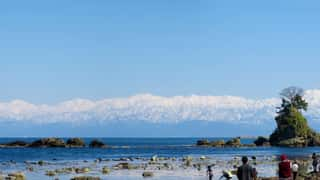
FreeOarai Isosaki Shrine is one of Japan's most visually arresting Shinto sites. Founded in the 9th century, it honors the deities Oanamuchi-no-Mikoto and Sukunahikona-no-Mikoto. While the shrine buildings are impressive examples of traditional architecture, the 'Kamiiso-no-Torii' (Torii of the Heavenly Coast) is the true icon. Standing on a rocky outcrop in the Pacific Ocean, it is often pounded by massive waves—a sight that symbolizes the meeting of the human and divine worlds. It is worth noting that most people only view it from the top of the grand staircase. It is best to walk down the 100+ stone steps and crosse the road to stand at the water's edge. The sound of the Pacific here is visceral. The shrine buildings at the top are carved with intricate animals and mythical figures; look for the carvings of three monkeys, a motif famously shared with Nikko. This shrine survived the 2011 tsunami with minimal damage, reinforcing its reputation as a site of divine protection. For many Waterways Cruise clients, the quiet moment standing before the sea torii is the most memorable part of their Japanese itinerary. It is a place of profound atmosphere and historical weight.
6890 Isohamacho, Oarai, Ibaraki 311-1301, Japan ·+81 29-267-2637 ·Open 24 hours (Shrine office 9:00 AM – 4:00 PM) ·oarai-isosakijinja.or.jp
Oarai Marine Tower · Landmark
USD ¥340Standing 60 meters (197 feet) tall, the Oarai Marine Tower is the town's most visible landmark and serves as a tri-level observation and commercial hub. The triangular glass structure offers a 360-degree panoramic view that is essential for orienting yourself. To the east, the vast expanse of the Pacific Ocean; to the north, the Hitachi industrial coast; to the west, the rolling hills leading to Mito; and to the south, the cruise terminal at Pier 4. It is best to visit this first if you are traveling independently, as it allows you to see the true layout of the town. The third floor is the observation deck, while the second floor houses a cafe popular with local residents. The ground floor contains a small souvenir shop featuring Ibaraki specialties. What no one tells you is that the tower is the best place to monitor the status of your cruise ship—you can see the entire berth from the observation windows. While simple, it provides a sense of scale that you cannot get from the street level. It is a quick, 20-minute stop that pays off in orientation and photography, especially on clear days when Mount Tsukuba is visible in the distance.
10-2 Minato-chuo, Oarai, Ibaraki 311-1305, Japan ·+81 29-266-3366 ·9:00 AM – 6:00 PM ·www.oarai-mt.jp
Eating & Drinking in Oarai
Ibaraki’s culinary identity is defined by the 'Seven Treasures of the Sea,' with Monkfish (Ankou) as the undisputed king. Unlike Tokyo, where seafood is often delicately handled, Oarai cooking is hearty and rustic. The regional specialty is Ankou-nabe, a stew that uses every part of the fish—including the skin and liver—to create a nutrient-dense, savory broth. Beyond the sea, Ibaraki is Japan's largest producer of 'Hoshi-imo' (dried sweet potatoes). Locals eat these as a daily snack; you’ll find them in every market, ranging from chewy to almost crystalline. For a drink, the region produces exceptional Sake, benefiting from the pure water of the Naka River. Look for the 'Hito-no-Me' brand. One honest note: tourists often expect high-end Sushi here because it’s a port, but locals actually prefer 'Hamayaki' (grilled seafood) and hearty stews. If you want the genuine Oarai experience, trade the sushi roll for a charcoal-grilled clam or a bowl of monkfish liver soup at the waterfront.
| Place | Address | Phone | Hours | Website | Price range |
|---|---|---|---|---|---|
| Chonamori | 8244-6 Isohamacho, Oarai, Ibaraki 311-1301 | +81 29-267-3135 | 11:30 AM – 2:00 PM, 5:30 PM – 9:00 PM | chonamori.jp | ¥3,500–¥5,500 (~$22.00–$34.00 USD) |
| Kaisen Ichiba Shokudo | 8253-56 Isohamacho, Oarai, Ibaraki 311-1301 | +81 29-267-0121 | 9:00 AM – 4:00 PM | oarai-kaisen.com | ¥1,500–¥3,000 (~$9.50–$18.50 USD) |
| Ume-shu Bar at Kairakuen (Seasonal) | Tokiwacho, Mito (Inside Kairakuen Garden) | 10:00 AM – 4:00 PM (Peak season only) | ¥500–¥800 (~$3.10–$5.00 USD) |
Chonamori
¥3,500–¥5,500 (~$22.00–$34.00 USD)Order the Ankou-nabe, the definitive winter dish of Ibaraki. Monkfish is prized for its liver (ankimo), which is blended into the miso-based broth to create a rich, 'foie gras of the sea' flavor. This venue is a traditional washoku house where the staff are experts in local Pacific catch. The atmosphere is quiet and dignified. One honest limitation: the restaurant is small and doesn't take many walk-ins on weekends, so aim for an early lunch around 11:30 AM.
8244-6 Isohamacho, Oarai, Ibaraki 311-1301 ·+81 29-267-3135 ·11:30 AM – 2:00 PM, 5:30 PM – 9:00 PM
Kaisen Ichiba Shokudo
¥1,500–¥3,000 (~$9.50–$18.50 USD)This is high-energy, no-frills dining. You pick your shellfish from the display and they grill it over charcoal right in front of you. The Hamaguri clams are a local legend—large, meaty, and served in their own briny juice. It's loud, smoky, and exactly what a port lunch should be. What most visitors miss is the small side stand selling sea urchin (uni) served directly in the shell. Honest caveat: seating is on plastic stools and English is minimal, but pointing works perfectly.
8253-56 Isohamacho, Oarai, Ibaraki 311-1301 ·+81 29-267-0121 ·9:00 AM – 4:00 PM
Ume-shu Bar at Kairakuen (Seasonal)
¥500–¥800 (~$3.10–$5.00 USD)During the plum blossom season, several local sake breweries set up tasting stalls in the garden. This is the best place to sample Mito’s famous plum wine, which is thicker and more complex than the supermarket versions. The drink uses the local ume fruit and Ibaraki rice-based sake. It’s the perfect way to toast the garden views. If visiting out of season, look for the 'Sake Corner' inside Mito Station for a similar tasting flight.
Tokiwacho, Mito (Inside Kairakuen Garden) ·10:00 AM – 4:00 PM (Peak season only)
Getting There & Around
Once you have cleared the industrial port zone, walking is the most rewarding way to experience Oarai's central Minato area. However, for reaching the Isosaki Shrine or Oarai Station, the 'Oarai Kaiyu-go' loop bus is recommended. This bus costs ¥100 (~$0.60 USD) per ride or ¥200 (~$1.25 USD) for a day pass, which you can purchase directly from the driver in cash. Taxis are reliable but should be booked via the 'Go' or 'Uber' app (which calls local taxis) as they do not cruise the side streets looking for fares. Bicycles are available for rent at the Oarai Station Tourism Office for ¥500 (~$3.10 USD) per day; the town's terrain is remarkably flat, making cycling an excellent choice for mobile visitors. One tip most guides omit: the train from Oarai to Mito is the private Kashima Rinkai line, meaning you cannot use your JR Pass for this specific segment—keep ¥330 (~$2.00 USD) in coins ready for the ticket machine.
Itineraries & Sample Walks
4-Hour Shore Excursion in Oarai
Oarai Isosaki Shrine & Kamiiso-no-Torii
9:00 AM (90 min)
This is the primary spiritual site of Oarai. Most visitors head straight for the main shrine building, but the real power is across the street on the rocks. The torii gate stands directly in the Pacific Ocean surf, representing the spot where the gods descended.
- Taxi from Pier 4 via Route 173. (¥1,300 (~$8.00 USD))
- Entry: Free (Free)
- Do not just photograph the gate from the top. Walk down the concrete path to the sea level to feel the spray of the Pacific—it's the only way to appreciate the scale.
Oarai Kaisen Ichiba (Seafood Market)
10:45 AM (75 min)
A working fish market where you can see the Pacific catch auctioned and sold. This is the place for a quick snack of grilled scallops or fresh oysters before returning to the ship.
- 15-minute walk south along the coastal road or a 3-minute taxi. (¥800 (~$5.00 USD))
- Entry: Free (Free)
- Look for the stalls selling 'Hoshi-imo' (dried sweet potato). It’s an Ibaraki specialty—ugly to look at, but incredibly sweet and the perfect shelf-stable souvenir.
Lunch Recommendation
Chonamori
While tourists crowd the market stalls, locals come here for authentic monkfish stew. The broth is richer and the fish is sourced directly from the adjacent docks.
Order: Ankou-nabe (Monkfish hot pot), Sashimi Moriawase (Fresh Pacific assortment)
8244-6 Isohamacho, Oarai, Higashiibaraki District, Ibaraki 311-1301, Japan
Cost: ¥3,500–¥5,000 (~$22.00–$31.00 USD)
8-Hour Full Day Experience in Oarai
Hitachi Seaside Park
8:30 AM (150 min)
Famous for the rolling hills of Nemophila in spring and Kochia bushes in autumn. Even outside peak bloom, the cycling paths and vast flower gardens are exceptional.
- 30-minute taxi from Pier 4. (¥6,500 (~$40.50 USD))
- Entry: ¥450 (~$2.80 USD) ($3.00)
- Rent a bicycle at the gate. The park is nearly 200 hectares; walking will exhaust you before you see the Miharashi Hill view.
Kairakuen Garden
1:30 PM (120 min)
One of Japan's Top Three Gardens. Unlike the others, it was designed with a specific philosophy of 'Yin and Yang'—transitioning from the dark, contemplative cedar forest to the bright, open plum groves.
- 25-minute taxi from Hitachi Seaside Park. (¥5,000 (~$31.00 USD))
- Entry: ¥300 (~$1.85 USD) ($2.00)
- Pay the extra ¥200 to enter the Kobuntei house. The view of Senba Lake from the top floor is the best composition in the entire city.
Getting back to the ship
The latest safe departure from Mito city center (for those visiting Kairakuen) is 90 minutes before all-aboard. From Oarai town center, leave 45 minutes before departure. A taxi from Mito Station to Pier 4 takes approximately 25 minutes and costs roughly ¥5,500 (~$34.00 USD). If you are using the Kashima Rinkai train, ensure you are on the train leaving Mito at least 75 minutes before all-aboard to account for the taxi transfer from Oarai Station to the pier. If you are running late, contact the ship's port agent immediately (details found on your daily program). Oarai is a commercial port; the ship will not hold for independent passengers as berth windows are strictly managed by the port authority. Missing the ship here requires an expensive shinkansen (bullet train) trip to the next port, likely Sendai or Tokyo/Yokohama.
Weather & Best Time to Visit Oarai
Weather & What to Pack
Cruise season: April to November
15°C–28°C (59°F–82°F). High humidity in July/August. Rainfall is most common in June and September.
What to wear: Layers are essential. Even in summer, the Pacific Ocean breeze can be cool on deck. Wear sturdy, slip-resistant walking shoes for the gravel paths at Kairakuen and the stone steps at the shrine. A light, packable waterproof jacket is mandatory for sudden coastal showers. Sun protection (hat and sunscreen) is needed for Hitachi Seaside Park's wide, unshaded fields.
Weather risks: Sea fog in early summer can occasionally delay morning docking or tender operations. Typhoon season (August–October) may result in itinerary changes if sea states in the Pacific Ocean become too rough.
Autumn (October–November) offers the most stable weather and exceptional foliage colors.
| Season | Conditions | Hazards | Affected areas | Visitor advice |
|---|---|---|---|---|
| Spring (March–May) | Mild and pleasant with temperatures between 10°C (50°F) and 18°C (64°F). | High pollen counts can be an issue for allergy sufferers near the pine-heavy Isosaki Shrine. Occasional 'Haru Ichiban' (first spring gale) can make the Pacific Ocean coastline extremely windy. | Hitachi Seaside Park and Oarai Isosaki Shrine coastline. | Wear windproof layers and carry antihistamines if sensitive to cedar pollen. This is the peak time for Nemophila (Baby Blue Eyes) flowers at Hitachi Seaside Park—expect heavy crowds. |
| Summer (June–August) | Hot, humid, and prone to sudden afternoon downpours. Temperatures often exceed 30°C (86°F). | Heat exhaustion on the exposed Kaisen Ichiba market tarmac and dehydration on the 100+ steps of the Isosaki Shrine. | Exposed walking paths at Kairakuen Garden and the Kaisen Ichiba seafood market. | Utilize a sun umbrella (standard in Japan) and stay hydrated using the ubiquitous vending machines. Most Japanese cruise passengers carry small 'cool-towels'—an expert tip for staying comfortable. |
Practical Information
Cultural etiquette
In Oarai, a small regional town, social interactions are more formal than in Tokyo. When entering the Isosaki Shrine, a slight nod of the head is expected at the first torii gate. At the purification fountain (chozuya), use the ladle to wash your left hand, then right, then rinse your mouth slightly—never drink directly from the ladle. Dining customs remain traditional: it is considered poor form to rub your wooden chopsticks together after breaking them, as it implies the restaurant provides cheap, splintery utensils. Splitting a single dish in a small seafood restaurant like Chonamori is often viewed as odd; it is better for each guest to order a set meal. Photography is generally welcomed, but never photograph the interior of the shrine’s main hall or individuals in prayer without explicit permission. Tipping is not practiced and can even cause confusion; a simple 'Gochisosama-deshita' (thank you for the meal) to the chef is the highest form of appreciation. A common mistake cruise passengers make is trying to pay with large ¥10,000 bills for small ¥100 bus fares; always carry small coins for local transit to avoid holding up the queue.
Mistakes to Avoid
| Mistake |
|---|
Attempting a Tokyo day-trip on an 8-hour port call. |
Relying on the JR Pass for the train from Oarai to Mito. |
Visiting Hitachi Seaside Park out of bloom season without a backup plan. |
Assuming the cruise terminal is walkable to the town center. |
Practical tips
Japan remains a cash-heavy society, particularly in regional ports like Oarai. While the aquarium and large restaurants accept credit cards, the 'Kaiyu-go' loop bus, small market stalls at Kaisen Ichiba, and shrine donation boxes are cash-only. It is a good idea to carry at least ¥10,000 (~$62.00 USD) in cash for the day. Tipping is not required for any service, including taxis and guides. To earn genuine goodwill, learn these five phrases: 'Ohayou gozaimasu' (Good morning), 'Arigatou' (Thank you), 'Sumimasen' (Excuse me/Sorry), 'Kore o kudasai' (This one, please), and 'Oishii' (Delicious). Scams are virtually non-existent here, but be wary of the 'over-enthusiastic' taxi driver at the pier who may suggest a long-distance trip to Tokyo; stick to your local plan. For dress codes, there is no formal rule for shrines, but modest clothing is preferred—avoid swimwear. The best time to visit the Kamiiso-no-Torii is at the crack of dawn; by 10:30 AM, the 'Instagram' crowd arrives, and the spiritual serenity is lost.
Cruise Lines Visiting Oarai
Port of Call



Why Book With Waterways Cruise?
Four decades of expertise, one dedicated advisor, and every detail handled, from your front door to the gangway and back.
Personal Service — Your Own Cruise Concierge
Tailor-Made — 100% Custom-Built
Expertise — 40+ Years in Travel
Price Watch — Book With Total Confidence
Signature Sailings
All Cruise Lines at Oarai (A–Z)
Nearby Ports

FAQ — Oarai
Is there a free shuttle from the Oarai cruise pier to the town?
Most premium cruise lines like Holland America and Princess provide a complimentary shuttle to either Oarai Station or the Kaisen Ichiba market area. However, this is line-dependent. If your ship does not provide one, you must take a taxi, as the 1.8 km (1.1 mile) walk through the industrial port is unsafe for pedestrians. Taxis cost approximately ¥1,200 (~$7.50 USD). It is a good idea to check your daily program the night before to confirm the shuttle drop-off point, as it can change based on port activity.
Can I use my credit card at the Oarai seafood market?
Generally, no. While the larger, seated restaurants like Chonamori may accept Visa or Mastercard, the majority of the stalls at the Oarai Kaisen Ichiba are cash-only. You will need Japanese Yen (JPY) for grilled oysters, scallops, and snacks. The nearest international-friendly ATM is at the 7-Eleven, which is a 15-minute walk from the market. It is advisable to carry at least ¥5,000 (~$31.00 USD) per person specifically for market spending.
How long does it take to get to Hitachi Seaside Park?
By taxi, it takes 30 minutes from Pier 4 to the park's West Gate, costing roughly ¥6,500 (~$40.50 USD). Public transit is significantly slower, requiring a train to Katsuta Station and then a 15-minute bus ride, totaling nearly 70 minutes. For a standard 8-hour port call, you should use a taxi to maximize your time among the flowers. Private transfers to ensure you beat the large tour bus arrivals can be arranged in advance.
Is the Oarai Isosaki Shrine wheelchair accessible?
It is partially accessible. The iconic 'Torii in the Sea' can be viewed from a flat, paved sidewalk at sea level. However, the main shrine is situated on a bluff. While there is a back road for cars to reach the top, the primary experience involves a massive stone staircase of over 100 steps. If you have mobility limitations, instruct your taxi driver to take you to the top entrance (shamusho) rather than the lower torii gate.
When is the best time to see the blue flowers at Hitachi Seaside Park?
The famous Nemophila (Baby Blue Eyes) typically bloom from late April to early May. The fiery red Kochia bushes peak in mid-October. Because these dates shift slightly each year based on temperature, you must check the park’s official website 48 hours before your arrival. If your cruise falls in June or August, be prepared to see different flowers like sunflowers or zinnias, as the famous blue hills will be green.
Are there any department stores or shopping malls in Oarai?
Oarai is a small town and lacks major department stores. The closest thing is the 'Oarai Seaside Station,' a small outdoor shopping plaza near the Marine Tower. It features local boutiques and outlet shops but nothing comparable to Tokyo's Ginza. For high-end shopping, you would need to travel 25 minutes by taxi to Mito city, where you will find the Sogo and Keisei department stores near the station.
Is English spoken in Oarai?
English proficiency is lower in Oarai than in major cities like Tokyo or Kyoto. Staff at the Aqua World aquarium and the Hitachi Seaside Park gates will have basic English skills, but market vendors and taxi drivers generally do not. Visitors should download a translation app like Google Translate with the Japanese language pack available offline. A simple 'Sumimasen' (Excuse me) goes a long way in initiating a helpful response from locals.
What is the best local souvenir from Oarai?
The most authentic souvenir is 'Hoshi-imo'—dried sweet potatoes. Ibaraki Prefecture produces 90% of Japan's supply. The 'Beniharuka' variety is the gold standard for sweetness. You can find beautifully packaged gift boxes at the Oarai Maiwai Market for approximately ¥1,500 (~$9.50 USD). These are shelf-stable and travel well, though you should check your home country’s customs regulations regarding dried vegetables before purchasing.
Is it worth visiting the Oarai Marine Tower?
Yes, but only as a quick 20-minute orientation stop. At ¥340 (~$2.10 USD), it is inexpensive and provides the only aerial view of the Pacific coastline and your cruise ship at Pier 4. On a clear day, you can see as far as Mount Tsukuba. If it is foggy or raining, skip it entirely as the windows are not treated for condensation and visibility will be zero.
Can I visit Tokyo from Oarai on a 9:00 AM to 5:00 PM port call?
It is best avoided. The round-trip transit via the Joban Line takes roughly 4 hours. Including the taxi to the station and the wait for trains, you would only have about 2 to 3 hours in Tokyo. Any delay in the rail network—which does happen during peak hours—could cause you to miss the ship. Stay in Ibaraki and enjoy the local gardens; they are just as impressive as those in Tokyo but far more peaceful.
Fact-checked and co-written by J. Richard, Founder, Waterways Cruise, with the Waterways Cruise Content Team.
Published May 19, 2026 · Last updated November 2, 2026
This guide is researched and reviewed by our editorial team, but prices, hours, and availability change often. Confirm current details directly with venues, excursion operators, and your cruise line before you travel.