Japan Cruise Ports & Cruise Guide
Total 62
- Aichi
- Miyagi
This page is an overview of the 62 cruise ports in Japan, covering ocean cruises. Cruises start and end at Osaka, Shimizu, Tokyo. 46 cruise ships visit Japan across 62 ports. See live sailings and availability on the Japan cruises page.
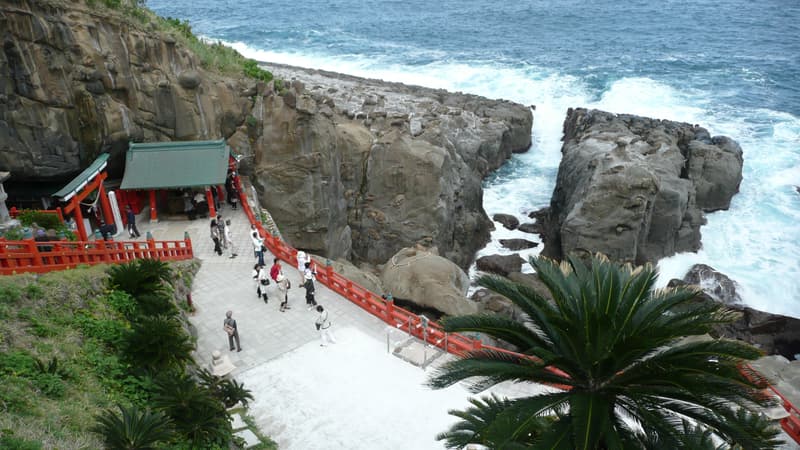

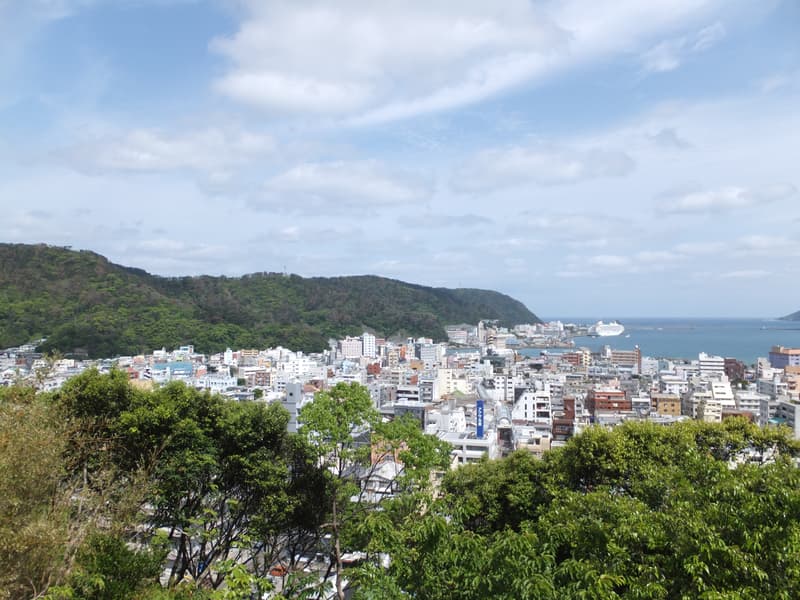


Japan is a safe, sophisticated, and visually stunning cruise destination that pairs ancient heritage with hyper-modern cities. Most itineraries marketed as river cruises are actually small-ship coastal voyages through the Seto Inland Sea and around Honshu, Hokkaido, Kyushu, and Okinawa. The sweet spots are spring cherry-blossom season and autumn foliage; avoid midsummer heat and typhoon season.
Country facts
History
Japan's history is a long arc of island civilization: early hunter-gatherers, the introduction of rice agriculture and Buddhism from the Asian continent, the rise of an imperial court, centuries of samurai rule, rapid modernization in the Meiji era, a devastating mid-century war, and a post-war economic miracle followed by demographic aging.
Japanese history is often told as a story of unique harmony, but it also includes class stratification, feudal violence, colonial rule over Korea and Taiwan, and wartime atrocities. Contemporary museums increasingly acknowledge these chapters; travelers should listen more than lecture.
Culture
Group consensus, seasonal aesthetics, ritual politeness, and deep respect for craft. Regional identity is strong: Kansai differs from Kanto, and Okinawa and Hokkaido each have distinct cultures.
Music: Traditional gagaku court music, taiko drumming, shamisen, koto, and shakuhachi, plus enka and J-pop in the modern era.
Signature landscape: Mount Fuji, a nearly perfectly symmetrical stratovolcano, surrounded by lakes, forests, and hot springs.
Cuisine
- Sushi and sashimi
- Ramen
- Tempura
- Kaiseki (traditional multi-course dining)
- Okonomiyaki
- Takoyaki
- Udon and soba
- Washoku (traditional Japanese dietary culture, UNESCO-listed)
- Green tea and sake
Architecture & heritage
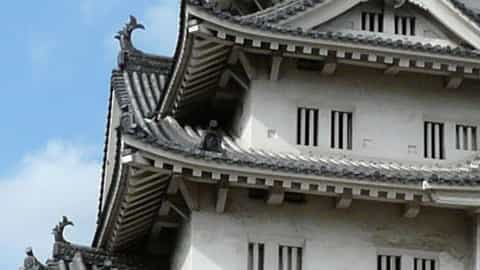
- Himeji Castle
- Kinkaku-ji (Golden Pavilion)
- Itsukushima Shrine
- Historic Monuments of Ancient Nara
- Hiroshima Peace Memorial (Atomic Bomb Dome)
- Historic Villages of Shirakawa-go
- Okinawan gusuku castle ruins
Tips for American travellers
- Bow instead of handshake when in doubt.
- Do not eat or drink while walking; consume food at the stall or designated area.
- Keep your voice low on trains and at temples.
- Remove shoes when entering traditional inns, temples, and many restaurants.
- Do not stick chopsticks upright in a bowl of rice; it resembles a funeral ritual.
- Say itadakimasu before a meal and gochisosama after.
Major cities & destinations
Tokyo Capital city / urban hub
Neon-lit, hyper-modern, and yet deeply traditional, with world-class food, museums, shopping, and quiet temple alleys.
Primary embarkation port via Yokohama or Tokyo International Cruise Terminal; many voyages start and end here.
Senso-ji Temple Meiji Jingu Shibuya Crossing Tokyo Skytree teamLab Planets Tsukiji Outer Market Ueno Park and museumsKyoto Historic capital / cultural city
Ancient temples, geisha culture, traditional machiya townhouses, and the soul of old Japan.
Reached by cruise ship via Osaka or Kobe; a major shore-excursion destination.
Fushimi Inari-taisha Kinkaku-ji (Golden Pavilion) Kiyomizu-dera Arashiyama Bamboo Grove Gion district Nijo CastleOsaka Commercial port city
Japan's kitchen, with lively street food, friendly people, modern architecture, and easy access to Kyoto and Nara.
Major cruise terminal at Tempozan near downtown; gateway to Kansai.
Osaka Castle Dotonbori Kuromon Market Shitenno-ji Temple Umeda Sky Building Kaiyukan AquariumHiroshima Peace city / regional center
Powerful Peace Memorial Park, vibrant local food, and gateway to Miyajima.
Port of call at Ujina; often combined with Miyajima by ferry.
Hiroshima Peace Memorial Museum Atomic Bomb Dome Peace Memorial Park Miyajima and Itsukushima Shrine Shukkei-en GardenNara Ancient capital / heritage town
Japan's first permanent capital, with the giant bronze Buddha and friendly deer in Nara Park.
Popular overland excursion from Osaka or Kobe; not usually a cruise port.
Todai-ji Temple Nara Park Kasuga-taisha Shrine Kofuku-ji Naramachi historic districtKanazawa Historic castle town
Kenrokuen Garden, samurai districts, geisha teahouses, and excellent traditional crafts.
Port on the Sea of Japan; increasingly included on Japan circumnavigation itineraries.
Kenrokuen Garden Kanazawa Castle Higashi Chaya District 21st Century Museum of Contemporary Art Omicho Market Nomura Samurai HouseHakodate Northern port city / Hokkaido gateway
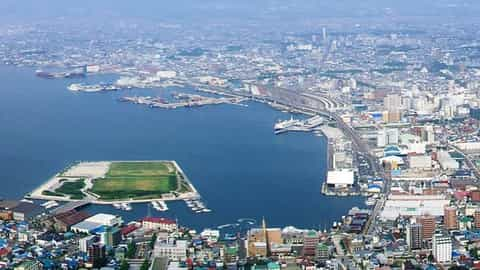
Beautiful harbor views, fresh seafood, historic western-style buildings, and famous night views.
Key Hokkaido port on northern Japan and circumnavigation routes.
Mount Hakodate Ropeway Hakodate Morning Market Fort Goryokaku Kanemori Red Brick Warehouse Hachimanzaka SlopeKagoshima Southern Kyushu port city
Volcanic Sakurajima, subtropical gardens, samurai history, and dramatic bay views.
Gateway to southern Kyushu; frequently on Inland Sea and circumnavigation routes.
Sakurajima Volcano Sengan-en Garden Kagoshima City Aquarium Ishibashi Park Tenmonkan shopping arcadeNaha Okinawan capital / subtropical port
Distinct Ryukyu culture, castle ruins, glass-clear seas, and food very different from mainland Japan.
Primary Okinawan port; often a tropical extension on Japan itineraries.
Shurijo Castle Park Kokusai Dori Tamaudun Mausoleum Okinawa Prefectural Museum Naminoue BeachMount Fuji & Hakone Natural region / scenic destination
Japan's most iconic mountain, lakes, hot springs, and art museums.
Accessed via Shimizu port or overland from Tokyo; a highlight of any Japan cruise.
Mount Fuji 5th Station (weather permitting) Chureito Pagoda Lake Ashi Hakone Ropeway Owakudani volcanic valley Hakone Open-Air MuseumCruise ports of call
Most large ships call at well-developed industrial or ferry ports rather than scenic town quays. Ports are usually 30 to 90 minutes from major sights, so plan carefully. Tendering is rare except at smaller islands or when ships are too large for local piers.
- Classic Honshu & Seto Inland Sea
- Grand Japan Circumnavigation & Ryukyu Islands
Yokohama Grand Japan Circumnavigation & Ryukyu Islands
Japan's largest cruise gateway; Osanbashi International Cruise Terminal and Shinko Pier are about 30 minutes from Tokyo by train and can dock the largest ships.
Best for: Tokyo access, waterfront Minato Mirai, Ramen Museum, Cup Noodles Museum, and scenic harbor walks.
Operators: Ponant, Silversea, Seabourn, Viking, Holland America Line, Princess Cruises, Celebrity Cruises, Windstar Cruises, Regent Seven Seas Cruises, Oceania Cruises
Shimizu Classic Honshu & Seto Inland Sea
Port at the base of Mount Fuji in Shizuoka Prefecture; ships often dock at Shimizu Port, Mido-no-kuchi Wharf.
Best for: Mount Fuji views, Miho no Matsubara pine beach, green tea country, and Kunozan Toshogu Shrine.
Operators: Ponant, Seabourn, Viking, Oceania Cruises, Holland America Line
Osaka Classic Honshu & Seto Inland Sea
Tempozan Cruise Terminal is near Osaka Aquarium with easy access to Osaka's food scene and Kansai rail network.
Best for: Osaka Castle, Dotonbori, street food, and day trips to Kyoto and Nara.
Operators: Ponant, Silversea, Seabourn, Viking, Holland America Line, Princess Cruises, Celebrity Cruises, Oceania Cruises, Regent Seven Seas Cruises
Kobe Classic Honshu & Seto Inland Sea
Kobe Port Terminal and Naka Pier are in a cosmopolitan port city with a scenic harbor and quick rail access to Osaka and Kyoto.
Best for: Kobe beef, Harborland, Mount Rokko views, and Kansai sightseeing.
Operators: Ponant, Silversea, Seabourn, Viking, Holland America Line, Princess Cruises, Celebrity Cruises, Regent Seven Seas Cruises, Oceania Cruises
Hiroshima Classic Honshu & Seto Inland Sea
Ships call at Ujina Port, a short tram ride from Peace Park; larger vessels may anchor and tender.
Best for: Hiroshima Peace Memorial, Miyajima, okonomiyaki, and local trams.
Operators: Ponant, Silversea, Seabourn, Viking, Oceania Cruises, Holland America Line, Princess Cruises
Hakodate Grand Japan Circumnavigation & Ryukyu Islands
Hakodate Port near downtown was one of Japan's first international trading ports.
Best for: Night views, seafood markets, early western-style architecture, and gateway to Hokkaido.
Operators: Ponant, Silversea, Seabourn, Holland America Line, Princess Cruises, Celebrity Cruises
Aomori Grand Japan Circumnavigation & Ryukyu Islands
Aomori Port is near downtown and is the gateway to the Tsugaru region, apple orchards, and the Nebuta Festival in August.
Best for: Nebuta Museum, Hirosaki Castle, apple picking, and Hakkoda Mountains.
Operators: Ponant, Holland America Line, Princess Cruises, Celebrity Cruises
Kanazawa Grand Japan Circumnavigation & Ryukyu Islands
Kanazawa Port at Shimbo Pier is about 30 minutes from the city; a rising favorite for northern Japan cruises.
Best for: Kenrokuen Garden, samurai and geisha districts, gold-leaf crafts, and fresh seafood.
Operators: Ponant, Silversea, Seabourn, Oceania Cruises, Windstar Cruises
Nagasaki Grand Japan Circumnavigation & Ryukyu Islands
Matsugae International Cruise Terminal is near downtown; a dramatic hillside city with a long trading and Christian history.
Best for: Glover Garden, Dejima, Peace Park, Mount Inasa night views, and Chinese and Dutch heritage.
Operators: Ponant, Silversea, Seabourn, Viking, Windstar Cruises, Princess Cruises
Kagoshima Grand Japan Circumnavigation & Ryukyu Islands
Kagoshima Port is near the city center with stunning views of Sakurajima across Kagoshima Bay.
Best for: Sakurajima volcano, Sengan-en, samurai history, hot springs, and subtropical gardens.
Operators: Ponant, Silversea, Seabourn, Oceania Cruises, Holland America Line
Naha Grand Japan Circumnavigation & Ryukyu Islands
Naha Cruise Terminal is near the heart of Okinawa's capital, with a tropical climate and distinct Ryukyu culture.
Best for: Shurijo Castle, Kokusai Dori, Kerama Islands, Okinawan cuisine, and crafts.
Operators: Ponant, Silversea, Seabourn, Holland America Line, Princess Cruises, Celebrity Cruises
Smaller expedition ports such as Miyakojima, Ishigaki, Hachijojima, and the Seto Inland Sea islands appear on small-ship expedition itineraries; docking is often by tender and weather-dependent.
All cruise ports in Japan
Ships visiting by type: 42 ocean 2 river 4 expedition
Showing 62 ports in Japan

















River cruises & routes
Japan has no true long-distance river cruise network in the European sense. Most 'river cruise' style Japan itineraries are small-ship coastal voyages through the Seto Inland Sea and around the Japanese islands, with overnight port stays and regional shore excursions.
| Route | Length | Countries | Highlights |
|---|---|---|---|
| Seto Inland Sea & Southern Japan | 10 | Japan | Osaka, Kobe, Naoshima, Miyajima, Hiroshima, Takamatsu, and scenic Inland Sea navigation. |
| Honshu Discovery: Tokyo to Osaka | 14 | Japan | Yokohama, Shimizu, Kyoto, Nara, Osaka, Hiroshima, and optional Mount Fuji excursion. |
| Japan Circumnavigation | 18 | Japan | Yokohama, Aomori, Hakodate, Kanazawa, Nagasaki, Kagoshima, Naha, and multiple UNESCO sites. |
Season: March to May for cherry blossoms; October to November for autumn foliage. June is rainy and July to October includes typhoon risk.
Cruise lines visiting Japan
Japan is served by a mix of luxury expedition lines, premium ocean lines, and a few mainstream ships. Capacity is limited compared to Caribbean or Mediterranean cruising, so Japan itineraries book far in advance.
Ponant
Small-ship expedition voyages; Seto Inland Sea and Japan circumnavigation.
Ships: Le Soléal, L'Austral
Silversea
Luxury Japan cruises; Tokyo to Osaka and longer circumnavigations.
Ships: Silver Muse, Silver Moon
Seabourn
Luxury Japan and Asia itineraries.
Ships: Seabourn Sojourn, Seabourn Ovation
Viking
Ocean cruises focusing on Tokyo, Kyoto, Hiroshima; mostly spring and autumn departures.
Ships: Viking Orion, Viking Jupiter
Holland America Line
Japan and Far East voyages; include Hokkaido and Kyushu.
Ships: Westerdam, Nieuw Amsterdam
Princess Cruises
Round-trip Japan itineraries from Tokyo/Yokohama.
Ships: Diamond Princess, Majestic Princess
Regent Seven Seas Cruises
All-inclusive luxury Japan voyages.
Ships: Seven Seas Explorer, Seven Seas Mariner
No single line has exclusive access to Japanese ports. Book early for cherry-blossom and autumn departures; private guides and small-group shore excursions sell out months ahead.
Planning & advice
Japan is one of the safest, most punctual, and most visually rewarding destinations for milestone travel. With a small ship or carefully chosen shore excursions, you can experience deep culture without being herded. The juxtaposition of ancient temples and hyper-modern cities, meticulous gardens and dramatic volcanoes, makes it an unforgettable celebration trip.
For the American traveller
- Tipping is not customary in restaurants or taxis; some tour guides may accept tips, but it is not expected.
- Carry cash: many smaller shops, temple stalls, and rural restaurants do not accept credit cards.
- Learn a few Japanese phrases; English signage is common but conversational English is limited outside major cities.
- Punctuality matters; trains and tour departures leave exactly on time.
- Removing shoes is required in many temples, traditional restaurants, and homes.
- Masks are optional but commonly worn during cold and flu season; follow local norms.
- US citizens do not need a visa for tourist stays up to 90 days; your passport must be valid for the entire stay.
Excursion planning
- Do not try to do all of Japan in one port stop; pick one region per day and go deep.
- Use the ship's shuttle into town if offered, then explore independently by taxi or train.
- Book small-group tours of no more than 12 people or private guides; avoid large motorcoach tours if you dislike being herded.
- In temple towns like Kyoto, go early, before 9 a.m., to beat the crowds.
- Check whether your port is a pier or a tender; tender ports can cost 30 to 60 minutes each way.
- Consider luggage forwarding if doing pre- or post-cruise land travel; bullet trains have limited luggage space.
- Download offline maps and a translation app; free Wi-Fi is improving but not universal.
The verdict
Go now, but go small and slow. Japan rewards travelers who resist the urge to overpack the itinerary. Choose a smaller ship or a coastal-style cruise, build in pre- and post-cruise nights in Tokyo and Kyoto, and let the country's rhythm set your pace.
Sources
- CIA World Factbook — Japan (accessed 2026-09-10)
- Japan National Tourism Organization — Japan Official Travel Guide (accessed 2026-09-10)
- Encyclopaedia Britannica — Japan (accessed 2026-09-10)
- Ministry of Land, Infrastructure, Transport and Tourism — Ports and Harbors in Japan (accessed 2026-09-10)