Nagasaki Cruise Port
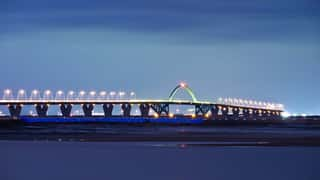
The Nagasaki Cruise Terminal at Matsuyama-machi sits just 3 km (1.8 miles) from the Peace Park, reachable in 10 minutes by the city's iconic vintage trams for a flat fare of ¥140 (~$0.85 USD). Located in the Nagasaki Prefecture on the island of Kyushu, this destination offers one of the most efficient port-to-city transitions in Asia. You are positioned roughly 150 km (93 miles) south of Fukuoka, accessible via the Nishi-Kyushu Shinkansen in about 90 minutes, and 70 km (43 miles) from the naval port of Sasebo. As a deep-water ocean cruise port, Nagasaki serves vessels ranging from mega-ships to boutique yachts, all of which dock within sight of the city's terraced hillsides. The destination rewards those who embrace the local streetcar system and punishes those who attempt to walk between the major hilly districts, which are deceptively steep and far apart. Keep in mind that while the city appears compact on a map, the vertical gain at Glover Garden and the distance to the Atomic Bomb Museum require planned transport. Your ship will glide through the narrow entrance of Nagasaki Bay, passing under the Goddess of the Night Bridge—a scenic arrival that rivals any in the Pacific. This port is a study in resilience, where 16th-century Dutch trade history meets the somber, essential legacy of 1945.
Nagasaki Port Cruise Ship Terminal


Nagasaki, Japan Port
UN/LOCODE JPNGS Port of call
Nagasaki Cruise Port Location
| Port Details | |
|---|---|
| Country | Japan |
| UN/LOCODE | JPNGS |
| Contact | |
| Address | Matsuyamamachi, Nagasaki, 850-0921, Japan |
| Port phone | +81 95-822-1259 |
| Website | www.city.nagasaki.lg.jp |
| Geography | |
| Coordinates | 32.75000, 129.88333 |
| Accessibility | |
| Accessible | Limited |
The Nagasaki Cruise Terminal at Matsuyama-machi sits just 3 km (1.8 miles) from the Peace Park, reachable in 10 minutes by the city's iconic vintage trams for a flat fare of ¥140 (~$0.85 USD). Located in the Nagasaki Prefecture on the island of Kyushu, this destination offers one of the most efficient port-to-city transitions in Asia. You are positioned roughly 150 km (93 miles) south of Fukuoka, accessible via the Nishi-Kyushu Shinkansen in about 90 minutes, and 70 km (43 miles) from the naval port of Sasebo. As a deep-water ocean cruise port, Nagasaki serves vessels ranging from mega-ships to boutique yachts, all of which dock within sight of the city's terraced hillsides. The destination rewards those who embrace the local streetcar system and punishes those who attempt to walk between the major hilly districts, which are deceptively steep and far apart. Keep in mind that while the city appears compact on a map, the vertical gain at Glover Garden and the distance to the Atomic Bomb Museum require planned transport. Your ship will glide through the narrow entrance of Nagasaki Bay, passing under the Goddess of the Night Bridge—a scenic arrival that rivals any in the Pacific. This port is a study in resilience, where 16th-century Dutch trade history meets the somber, essential legacy of 1945.
Nagasaki — Port Overview
History
Founded in 1571 as a small fishing village, Nagasaki rapidly became the focal point of Japan's contact with the Western world. When the Tokugawa Shogunate implemented the 'Sakoku' policy of national isolation in the early 17th century, Nagasaki remained the only port open to foreign trade. Specifically, the artificial island of Dejima was constructed in 1636 to house Portuguese and later Dutch traders, serving as Japan’s sole window to European science and medicine for over 200 years. This era of 'Rangaku' (Dutch studies) profoundly shaped the city’s intellectual landscape. However, the most defining moment in the city's history occurred on August 9, 1945, at 11:02 AM, when Nagasaki became the second city in history to be targeted by an atomic weapon. The explosion over the Urakami district decimated the northern part of the city, including the Urakami Cathedral, which was then the largest in East Asia. Today, you can see the remnants of the original cathedral walls preserved at the Peace Park. The postwar era saw Nagasaki reinvent itself as a global center for peace advocacy and a powerhouse of the Mitsubishi shipbuilding industry. The massive cranes of the Koyagi shipyard, visible as you sail into the harbor, represent the modern industrial continuity that rose from the ruins of the mid-20th century.
The Verdict
In Nagasaki, the visitors who come away happiest are the ones who arrive with a plan and the flexibility to adapt it. This city is a rewarding blend of deep tragedy and incredible resilience, easily explored by those who use the local tram system. This guide has been fact-checked by J. Richard and the Waterways Cruise editorial team. Excursions that guarantee a return to the ship can be tailored to your mobility, interests, and pace, so missing departure is never a concern. No two travelers want the same day ashore.
Things to Do & See in Nagasaki
| Attraction | Type | Address | Phone | Hours | Website | Admission |
|---|---|---|---|---|---|---|
| Nagasaki Atomic Bomb Museum | Museum | 7-8 Hirashemachi, Nagasaki, 852-8117, Japan | +81 95-844-1231 | 8:30 AM – 5:30 PM | nabmuseum.jp | USD ¥200 |
| Dejima | Historical Site | 6-1 Dejimamachi, Nagasaki, 850-0862, Japan | +81 95-821-7200 | 8:00 AM – 9:00 PM | nagasakidejima.jp | USD ¥520 |
| Nagasaki Peace Park | Landmark | Matsuyamamachi, Nagasaki, 852-8118, Japan | Open 24 hours | Not available | Free | |
| Glover Garden | Historical Site | 8-1 Minamiyamatemachi, Nagasaki, 850-0931, Japan | +81 95-822-8223 | 8:00 AM – 6:00 PM | glover-garden.jp | USD ¥620 |
| Meganebashi (Spectacles Bridge) | Landmark | Uuomachi, Nagasaki, 850-0874, Japan | Open 24 hours | Not available | Free |
Nagasaki Atomic Bomb Museum · Museum
USD ¥200This is arguably the most important site in the city. Unlike many war museums, Nagasaki's is focused on the human experience of the 74,000 victims. You will see twisted steel girders from the Urakami Cathedral, melted glass bottles, and preserved clothing. The narrative is linear and expertly translated into English. It is a good idea to start your day here to allow for reflection afterward at the adjacent Peace Park. It is well established that the museum’s audio guide (available for a small fee) adds significant depth to the smaller artifacts that lack extensive signage. It is a place that demands time; do not try to 'do' this in 30 minutes. You will need at least 90 minutes to move through the exhibits respectfully. The final gallery, which focuses on the current state of nuclear disarmament, provides a forward-looking perspective that balances the tragedy of the earlier rooms. It is a visceral reminder of why Nagasaki remains a vocal global leader in the peace movement.
7-8 Hirashemachi, Nagasaki, 852-8117, Japan ·+81 95-844-1231 ·8:30 AM – 5:30 PM ·nabmuseum.jp
Dejima · Historical Site
USD ¥520For over two centuries, this tiny fan-shaped island was the only place in Japan where Westerners were permitted to live. While land reclamation has since surrounded the site with the modern city, the restoration project has successfully recreated the 25 buildings that stood here in the early 19th century. You can walk through the residences of the Dutch officials, see the warehouses where cloves and sugar were stored, and explore the 'Kapitan's' (Chief Factor) house. The site does an excellent job of showing the cultural exchange that occurred—from the introduction of badminton and coffee to the export of Japanese porcelain. You will notice that the guided tours (available in English at set times) are worth the wait as they reveal the strict, often bizarre rules the Dutch had to follow while confined here. The contrast between the minimalist Japanese exteriors and the opulent, wallpapered European interiors is fascinating. It’s an easy, flat walk from the cruise terminal, making it an ideal first or last stop for the day.
6-1 Dejimamachi, Nagasaki, 850-0862, Japan ·+81 95-821-7200 ·8:00 AM – 9:00 PM ·nagasakidejima.jp
Nagasaki Peace Park · Landmark
FreeBuilt on the hill north of the bomb's epicenter, the Peace Park is dominated by the 10-meter-tall Peace Statue. The statue’s right hand points to the threat of nuclear weapons, while the left hand is extended in a gesture of peace. Surrounding the plaza are sculptures donated by countries from both sides of the Cold War, creating a truly international memorial. The walk from the tram stop to the main statue is significant, so it is recommended to use the outdoor escalator located to the left of the main stairs. The Fountain of Peace, shaped like the wings of a dove, is a memorial to the victims who died seeking water after the blast. The atmosphere here is different from the museum—it is a place for the living to commit to a peaceful future. It is a good idea to visit the Hypocenter Park (a 5-minute walk from the statue) to see the black monolith that marks the exact point of the explosion. It is a powerful, understated contrast to the monumental scale of the main park.
Matsuyamamachi, Nagasaki, 852-8118, Japan ·Open 24 hours ·Not available
Glover Garden · Historical Site
USD ¥620This open-air museum features the former residences of Western merchants who settled in Nagasaki after the opening of Japan's ports. The centerpiece is the Glover House, the oldest Western-style wooden building in Japan and a UNESCO World Heritage site. Thomas Glover was a key figure in the modernization of Japan, and his home is rumored to be the setting that inspired Puccini's Madame Butterfly. The gardens are meticulously maintained and offer the most famous panoramic views of Nagasaki Bay and the Mitsubishi shipyards. It is a good idea to take the 'Sky Road' elevator to the top and walk down to save your knees. Along the way, you’ll see the Ringer House and the Alt House, each showcasing 19th-century colonial luxury. The site is beautiful but can feel like a 'tourist trap' in the lower gift shop areas. Stay focused on the upper terraces for the best history and views. Look for the two heart-shaped stones in the pavement; legend says if you find them and touch them, you will find true love.
8-1 Minamiyamatemachi, Nagasaki, 850-0931, Japan ·+81 95-822-8223 ·8:00 AM – 6:00 PM ·www.glover-garden.jp
Meganebashi (Spectacles Bridge) · Landmark
FreeBuilt in 1634 by a Chinese monk, this is Japan's oldest stone arch bridge. Its name comes from the way the two arches and their reflection in the Nakashima River look like a pair of spectacles. It is an icon of the city and survived the 1945 atomic blast due to its sturdy stone construction and its location behind the hills. The river area has been developed into a pleasant promenade with local boutiques and cafes. The route from the pier is a lovely 20-minute walk through the heart of the city's commercial district. It is best to combine this with a visit to the nearby Teramachi (Temple District). The bridge is especially popular with photographers, so be prepared to wait a few minutes for a clear shot. During the Lantern Festival in February, the entire river is filled with glowing displays. Even on a standard day, it’s a peaceful spot to watch locals and see a different, more residential side of Nagasaki away from the major war memorials.
Uuomachi, Nagasaki, 850-0874, Japan ·Open 24 hours ·Not available
Eating & Drinking in Nagasaki
Nagasaki’s culinary identity is 'Shippo-ku'—a unique blend of Japanese, Chinese, and Western influences. The defining dish is Champon, a noodle soup that originated as a cheap, nutritious meal for Chinese students. Unlike traditional ramen, the ingredients are stir-fried first and then boiled with the noodles. For a snack, Castella (Kasutera) is a honey-based sponge cake brought by the Portuguese in the 16th century; look for the 'Bunmeido' or 'Fukusaya' brands for the genuine version with large sugar crystals on the bottom. To drink, Kyushu is the heart of Shochu production; ask for a local sweet potato (imo) shochu from Iki Island. One honest note: tourists expect high-end sushi here, but Nagasaki is actually more famous for its cooked 'fusion' street food like Kakuni-man (braised pork belly buns) found in Chinatown. If you want the most authentic experience, skip the sit-down restaurants and buy a pork bun from a street vendor in Shinchi.
| Place | Address | Phone | Hours | Website | Price range |
|---|---|---|---|---|---|
| Shikairou | 4-5 Matsugaemachi, Nagasaki, 850-0921, Japan | +81 95-822-1296 | 11:30 AM – 3:00 PM, 5:00 PM – 8:00 PM | shikairou.com | ¥1,800–¥2,500 (~$11.00–$15.50 USD) |
| Kozanrou | 12-2 Shinchimachi, Nagasaki, 850-0842, Japan | +81 95-821-3735 | 11:00 AM – 3:00 PM, 5:00 PM – 8:30 PM | kozanrou.com | ¥1,500–¥2,200 (~$9.50–$13.50 USD) |
| Bar Nagare | 10-15 Dozamachi, Nagasaki, 850-0841, Japan | +81 95-824-5110 | 7:00 PM – 2:00 AM (Check for afternoon openings on cruise days) | ¥800–¥1,500 (~$5.00–$9.50 USD) |
Shikairou
¥1,800–¥2,500 (~$11.00–$15.50 USD)Located just steps from the cruise terminal, this grand building houses a restaurant and a small museum. Order the Champon—a rich noodle soup with pork, seafood, and vegetables in a creamy broth. The floor-to-ceiling windows offer the best view of your cruise ship in the harbor. One honest limitation: the queue can be 45 minutes long during peak lunch hours; arrive at 11:15 AM to be seated in the first wave.
4-5 Matsugaemachi, Nagasaki, 850-0921, Japan ·+81 95-822-1296 ·11:30 AM – 3:00 PM, 5:00 PM – 8:00 PM
Kozanrou
¥1,500–¥2,200 (~$9.50–$13.50 USD)Deep in the heart of the Shinchi Chinatown district, Kozanrou is an institution. Their Champon is legendary for its 'depth' of flavor. Also try the Hatoshi—a local specialty of deep-fried shrimp paste between thin slices of bread. It is crowded, loud, and wonderful. Be aware that the tables are close together, and service is efficient rather than leisurely.
12-2 Shinchimachi, Nagasaki, 850-0842, Japan ·+81 95-821-3735 ·11:00 AM – 3:00 PM, 5:00 PM – 8:30 PM
Bar Nagare
¥800–¥1,500 (~$5.00–$9.50 USD)If your ship has a late departure, this is the place to experience Japanese bar culture. The 'Master' is a craftsman of cocktails. It is quiet, sophisticated, and serves as an antidote to the busy tourist sites. Note that it is located in the Dozamachi entertainment district, which is safe but can be confusing to navigate after dark.
10-15 Dozamachi, Nagasaki, 850-0841, Japan ·+81 95-824-5110 ·7:00 PM – 2:00 AM (Check for afternoon openings on cruise days)
Getting There & Around
Nagasaki is best navigated via its vintage streetcar (tram) system. There are four color-coded lines. The frequency takes about 5–8 minutes during peak hours. A single ride is ¥140 (~$0.85 USD) regardless of distance; pay the driver at the front as you exit. It is a good idea to buy a Day Pass for ¥600 (~$3.70 USD) if you plan more than four rides. You can buy these at the cruise terminal or via the 'basket' app. Note that Google Maps is highly accurate for tram timings here. Uber does not operate traditionally; instead, the 'Go' or 'S.Ride' apps call local taxis. Bicycles are not recommended for visitors due to the extreme hills and narrow sidewalks in historical districts. One navigation tip: Tram stop names are in English, but the numbers (e.g., Stop #30) are the most reliable way to ensure you don't overshoot your destination.
Itineraries & Sample Walks
4-Hour Shore Excursion in Nagasaki
Nagasaki Atomic Bomb Museum
9:00 AM (90 min)
A powerful, somber experience documenting the 1945 bombing. The museum follows a circular path downward, symbolizing the descent into the event. It is deeply moving and essential for understanding modern Japan.
- Take a taxi directly from the pier to save 20 minutes of tram waiting/walking. (¥1,500 (~$9.30 USD))
- Entry: ¥200 ($1.25)
- Look for the wall clock found in the ruins, permanently frozen at 11:02—it is the museum's most haunting artifact.
Nagasaki Peace Park
10:45 AM (45 min)
The park features the massive Peace Statue and the Fountain of Peace. It sits on the site of the former Urakami Prison. The atmosphere is one of quiet contemplation rather than a traditional park.
- A 5-minute walk from the museum exit; follow the overhead signs. (Free)
- Entry: Free (Free)
- Don't miss the Hypocenter Monument nearby—a simple black stone pillar marking the exact spot where the bomb detonated.
Lunch Recommendation
Shikairou
This is the birthplace of Champon (a hearty noodle dish with seafood and vegetables). It sits right next to the pier and offers stunning harbor views from the dining room.
Order: Nagasaki Champon, Sara-udon
4-5 Matsugaemachi, Nagasaki, 850-0921, Japan
Cost: ¥1,800–¥2,500 (~$11.00–$15.50 USD)
8-Hour Full Day Experience in Nagasaki
Nagasaki Atomic Bomb Museum
8:30 AM (90 min)
Start early to beat the school groups that typically arrive after 10:30 AM.
- Taxi from the pier. (¥1,500 (~$9.30 USD))
- Entry: ¥200 ($1.25)
- The exit path leads directly toward the Peace Park elevators.
Peace Park & Hypocenter
10:15 AM (60 min)
Spend time at the international monuments donated by cities around the world.
- Walking. (Free)
- Entry: Free (Free)
- The 'Peace Bells' at the hypocenter are often overlooked by those rushing to the statue.
Dejima
1:30 PM (90 min)
Walk through the restored Chief Factor's residence to see how the Dutch lived in isolation.
- Tram Line #1 (Blue) from Peace Park to Dejima stop. (¥140 (~$0.85 USD))
- Entry: ¥520 ($3.25)
- The herb garden at the back contains medicinal plants introduced to Japan by the Dutch.
Glover Garden
3:15 PM (75 min)
Features the oldest Western-style wooden building in Japan. The view of the harbor is unparalleled.
- Tram Line #5 (Green) to Oura-tenshudō stop, then 5-minute walk. (¥140 (~$0.85 USD))
- Entry: ¥620 ($3.85)
- Touch the 'Heart Stone' near the Thomas Glover house for good luck—it's a favorite local tradition.
Getting back to the ship
To ensure a safe return, you should leave the Peace Park or central city area no later than 90 minutes before your 'All Aboard' time. While a taxi from the city center to the pier takes only 12 minutes and costs roughly ¥1,500 (~$9.30 USD), the tram system can become heavily congested when school lets out (around 3:30 PM). If you are running late, a taxi is your only reliable option. If you miss the ship, contact the Port Authority at +81 95-822-1259. Be aware that the next port is often in South Korea or across the Japanese sea; missing departure will require a complex flight and potentially an emergency visa. The ship will generally not hold for independent travelers.
Weather & Best Time to Visit Nagasaki
Weather & What to Pack
Cruise season: March to November
Spring (15°C–22°C / 59°F–72°F) is mild. Summer is hot and humid (28°C–33°C / 82°F–91°F). Autumn is the driest and most comfortable.
What to wear: Layering is essential for spring and autumn. In summer, wear lightweight, moisture-wicking fabrics. Sturdy walking shoes with non-slip soles are mandatory for the wet stone steps at Glover Garden. A compact umbrella or light raincoat is recommended year-round due to the bay's microclimate. Dress is modest but casual; shorts are acceptable for tourists.
Weather risks: Summer heat advisories can limit outdoor walking; typhoon-related port cancellations occur 2–3 times per season in late summer.
Early April offers cherry blossoms, while late October provides crisp air and the best visibility from Mount Inasa.
| Season | Conditions | Hazards | Affected areas | Visitor advice |
|---|---|---|---|---|
| Summer (June–August) | Extreme humidity with temperatures often reaching 32°C (90°F) and frequent sudden rain showers. | The stone steps in Glover Garden and the sloping paths around the Peace Park become dangerously slick when wet. Heat exhaustion is a genuine risk on the exposed Peace Park plaza. | Glover Garden, Peace Park, and the stone embankments of the Nakashima River. | Wear shoes with excellent rubber grip. Avoid the Peace Park between 12:00 PM and 2:00 PM; use the morning for outdoor sites and the midday for the air-conditioned Atomic Bomb Museum. |
| Typhoon Season (September–October) | High winds and heavy rainfall that can disrupt port operations and local transport. | Strong gusts can make the Mount Inasa Ropeway unsafe, leading to sudden closures. High waves in the bay often result in the cancellation of Gunkanjima (Battleship Island) boat tours. | Mount Inasa, Gunkanjima boat piers, and waterfront promenades. | Always have a 'Plan B' for indoor museums (like the Museum of History and Culture) if winds exceed 20 knots. Do not pre-pay for Gunkanjima tours unless they offer a full weather refund. |
Practical Information
Cultural etiquette
In Nagasaki, a polite nod or a slight bow is the standard greeting; handshakes are becoming more common but wait for the local to initiate. When dining, never stick your chopsticks vertically into a bowl of rice—this is a funerary rite. Most restaurants will provide a wet towel (oshibori); use it to clean your hands before eating, but never use it to wipe your face. Photography is strictly prohibited inside the main memorial area of the Atomic Bomb Museum out of respect for the victims. In public, Japanese people rarely eat or drink while walking; if you buy a snack, it is polite to stand near the vendor and finish it before moving on. Tipping is not expected and can sometimes cause confusion or offense—the best way to show gratitude is a sincere 'Arigato gozaimasu.' One common mistake cruise passengers make is trying to pay for the tram with large ¥5,000 or ¥10,000 notes; the change machines only accept ¥1,000 notes. Always carry small coins.
Mistakes to Avoid
| Mistake |
|---|
Spending the first hour at the Oura Cathedral souvenir shops instead of the Peace Park. |
Using the JR Rail Pass for the city trams. |
Walking from Dejima to the Peace Park. |
Climbing the stone steps to Glover Garden manually. |
Practical tips
Japan is still a cash-heavy society. While major museums and Dejima accept credit cards, the vintage trams and many small Champon shops are cash-only. Always carry at least ¥5,000 in small denominations. Tipping is non-existent; do not leave money on the table. To earn goodwill, use 'Sumimasen' (Excuse me) when boarding trams or entering shops. A major scam to avoid is the 'overpriced taxi tour' offered by drivers near the pier; they will quote ¥15,000 (~$93.00 USD) for a route you can do for ¥600 on the tram. Dress code for the Peace Park is casual, but keep voices low and avoid taking 'selfies' with the more somber monuments. The best time to visit the Atomic Bomb Museum is exactly at 8:30 AM; by 10:45 AM, the school groups arrive in force and the quiet atmosphere vanishes.
Cruise Lines Visiting Nagasaki
Port of Call












Why Book With Waterways Cruise?
Four decades of expertise, one dedicated advisor, and every detail handled, from your front door to the gangway and back.
Personal Service — Your Own Cruise Concierge
Tailor-Made — 100% Custom-Built
Expertise — 40+ Years in Travel
Price Watch — Book With Total Confidence
Signature Sailings
All Cruise Lines at Nagasaki (A–Z)
Nearby Ports




FAQ — Nagasaki
Can I use my Suica or Pasmo card on the Nagasaki trams?
As of June 2026, Nagasaki’s streetcars primarily use their own local 'Nagasaki Nimoca' system. While some national IC cards are now accepted, many older vintage cars still require exact cash (¥140) or the physical paper Day Pass. It is a good idea to carry ¥100 and ¥10 coins just in case. Do not rely on your Tokyo Suica card as your only payment method here. For a guaranteed stress-free experience, purchase the paper Day Pass at the tourist desk inside the cruise terminal for ¥600 (~$3.70 USD) before you leave the pier area.
Is the Atomic Bomb Museum appropriate for children?
This is a frequent concern for Waterways Cruise families. The museum is graphic, showing the physical effects of radiation and the heat of the blast on the human body. It is generally advised that this is suitable for children aged 12 and older. For younger children, the Peace Park above ground is a better choice; it conveys the message of peace through sculptures without the visceral imagery found in the basement galleries. If you do take younger children inside, be prepared to skip the first two galleries which contain the most difficult photos.
How do I get to the top of Mount Inasa for the view?
The '10-Million Dollar View' is best reached by the Nagasaki Ropeway. Take a taxi from the pier (¥2,000 / ~$12.50 USD) or the free shuttle bus from Nagasaki Station. The ropeway costs ¥1,500 (~$9.50 USD) round trip. Note that most cruise ships depart before sunset, meaning you will see the daytime harbor rather than the famous night lights. If your ship stays past 8:00 PM, this is the city's top experience. During the day, it is only worth it if the sky is perfectly clear; otherwise, the views from Glover Garden are sufficient.
Is English widely spoken in Nagasaki shops?
In the major tourist areas like Dejima and the Atomic Bomb Museum, signage is excellent and staff speak functional English. However, in small Champon restaurants or on the trams, English is very limited. It is best to have your destination written in Japanese characters (available on most pier maps) to show taxi drivers. It is a good idea to download the Google Translate Japanese offline file, as cell service can be spotty inside the thick stone walls of historical buildings like the Oura Cathedral.
What is the best way to see the 'Spectacles Bridge'?
Take Tram Line #4 or #5 to the Meganebashi stop. It is a 2-minute walk from there. To get the famous photo, you must walk down the stone steps to the water-level path. Be warned: these steps are uneven and lack handrails. If you have mobility issues, stay on the street-level bridge just upstream for a nearly identical view. The best time for photos is between 11:00 AM and 1:00 PM when the sun eliminates shadows under the arches.
Are there any public Wi-Fi hotspots in the city?
Nagasaki City provides 'Nagasaki-City-WiFi' at major spots including the Peace Park, Dejima, and the Cruise Terminal. It requires a simple email registration. However, it is often slow. If you need reliable data for maps, you should rent a pocket Wi-Fi at your first Japanese port or ensure your ship’s data plan is active. Most local cafes do *not* offer free Wi-Fi to patrons, a common frustration for American travelers.
Can I visit the Urakami Cathedral?
Yes, the rebuilt cathedral is located about 10 minutes by foot from the Peace Park. It is an active place of worship, so avoid visiting during Sunday morning services. While the original was destroyed, the new building houses some 'bombed' statues that survived. Entry is free, but a small donation is appreciated. It is a much quieter, more spiritual experience than the main tourist Peace Park.
What should I buy as a high-quality souvenir?
Beyond Castella cake, look for Mikawachi porcelain. It is distinctive for its blue-and-white 'Karako' (Chinese children) designs. A small handmade plate will cost roughly ¥3,500 (~$21.50 USD). You can find high-quality examples at the shops near Oura Cathedral. Avoid the cheap mass-produced fans and magnets sold at the pier; they are rarely made in Japan. For a unique food gift, buy dried 'Karasumi' (mullet roe), though it is an acquired taste and expensive (¥5,000+).
Is the Shinchi Chinatown worth a special trip?
Nagasaki's Chinatown is the oldest in Japan, but it is very small—essentially just two intersecting streets. It is worth visiting for lunch (specifically for Champon or pork buns), but don't expect a massive district like those in Yokohama or San Francisco. You can walk through the entire area in 10 minutes. It is best combined with a walk to the nearby 'Spectacles Bridge'.
How much cash do I realistically need for a day?
If you are not booking a private tour, ¥5,000 (~$31.00 USD) per person is plenty for tram fares, museum entries, and a nice Champon lunch. Most of this will be spent in small amounts. Remember that Japanese ATMs at 7-Eleven (7-Bank) are the most reliable for international cards if you run out of JPY. Private excursions can be pre-paid through your cruise line or a licensed local operator, allowing you to only need cash for small snacks and souvenirs.
Fact-checked and co-written by J. Richard, Founder, Waterways Cruise, with the Waterways Cruise Content Team.
Published May 19, 2026 · Last updated November 2, 2026
This guide is researched and reviewed by our editorial team, but prices, hours, and availability change often. Confirm current details directly with venues, excursion operators, and your cruise line before you travel.