Karatsu Cruise Port
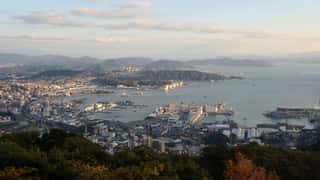
The Nishihama Pier at Karatsu Port sits 3.5 km (2.2 miles) from the city's central railway station, a 10-minute taxi ride costing approximately ¥1,800 (~$11.00 USD). Located in Saga Prefecture on the northwestern coast of Kyushu, this destination serves as a boutique ocean cruise port that provides an intimate alternative to the larger terminals in Fukuoka. You are roughly 1 hour and 15 minutes by road from the major transit hub of Fukuoka and 50 minutes from the historic pottery town of Imari. Be aware that while the city center is technically reachable on foot, the route passes through an unshaded industrial zone; the walk takes about 45 minutes and found it unsuitable for most travelers. A taxi or the ship-provided shuttle is essential for a successful day. Karatsu rewards those who appreciate the intersection of feudal history and world-class ceramic artistry, particularly within the serene Karatsu Bay. However, it punishes travelers who expect high-energy urban entertainment or those with significant mobility challenges who attempt to climb the castle on foot. You can realistically explore the main samurai district and the pine forest in a single call, but do not expect to reach the Yobuko squid markets and the castle in under four hours.
Karatsu Port - Nishihama Pier


Karatsu, Japan Port
UN/LOCODE JPKAR Port of call Homeport
Karatsu Cruise Port Location
| Port Details | |
|---|---|
| Country | Japan |
| UN/LOCODE | JPKAR |
| Contact | |
| Address | 1-1 Nishihama, Karatsu, Saga 847-0824, Japan |
| Port phone | +81 955-72-9127 |
| Website | www.city.karatsu.lg.jp |
| Geography | |
| Coordinates | 33.41670, 129.96972 |
| Accessibility | |
| Accessible | Limited |
The Nishihama Pier at Karatsu Port sits 3.5 km (2.2 miles) from the city's central railway station, a 10-minute taxi ride costing approximately ¥1,800 (~$11.00 USD). Located in Saga Prefecture on the northwestern coast of Kyushu, this destination serves as a boutique ocean cruise port that provides an intimate alternative to the larger terminals in Fukuoka. You are roughly 1 hour and 15 minutes by road from the major transit hub of Fukuoka and 50 minutes from the historic pottery town of Imari. Be aware that while the city center is technically reachable on foot, the route passes through an unshaded industrial zone; the walk takes about 45 minutes and found it unsuitable for most travelers. A taxi or the ship-provided shuttle is essential for a successful day. Karatsu rewards those who appreciate the intersection of feudal history and world-class ceramic artistry, particularly within the serene Karatsu Bay. However, it punishes travelers who expect high-energy urban entertainment or those with significant mobility challenges who attempt to climb the castle on foot. You can realistically explore the main samurai district and the pine forest in a single call, but do not expect to reach the Yobuko squid markets and the castle in under four hours.
Karatsu — Port Overview
History
Karatsu first rose to prominence in the late 16th century as a critical military and logistical base for Toyotomi Hideyoshi’s campaigns toward the Korean Peninsula. In 1591, Nagoya Castle (not to be confused with its namesake in central Japan) was constructed just 15 km (9 miles) from the current port, becoming the second-largest fortress in the nation at the time. Following Hideyoshi’s death and the rise of the Tokugawa Shogunate, the Terasawa clan was granted the domain and began constructing Karatsu Castle in 1602. They famously used the dismantled materials of Nagoya Castle to build the new seat of power overlooking Karatsu Bay, completing the work in 1608. During the Edo period (1603–1867), the city flourished as a ‘castle town’ and a center for trade with mainland Asia. This era cemented the legacy of Karatsu-yaki pottery, a rugged and earthy ceramic style influenced by Korean artisans brought to Japan. This ceramic tradition remains one of the city's most visible historical threads, with active kilns still operating in the hills today. The city’s identity was further solidified in the 19th century through the coal mining industry and the establishment of the Karatsu Kunchi festival, whose 14 massive hikiyama floats have been maintained by local neighborhoods for over 200 years. Today, the 17th-century stone foundations of the castle and the preserved 19th-century merchant houses provide a direct architectural link to these centuries of regional dominance.
The Verdict
At Karatsu, the people who do best are the ones who arrive with a plan and the flexibility to adapt it to the local pace. This guide has been fact-checked by J. Richard and the Waterways Cruise editorial team. Excursions that guarantee a return to the ship can be tailored to your mobility, interests, and pace, so missing departure is never a concern. At Waterways Cruise, no two travelers want the same day ashore, and Karatsu's blend of art and history provides the perfect canvas for your journey.
Things to Do & See in Karatsu
| Attraction | Type | Address | Phone | Hours | Website | Admission |
|---|---|---|---|---|---|---|
| Hikiyama Exhibition Hall | Cultural Site | 6-33 Nishijogai, Karatsu, Saga 847-0016, Japan | +81 955-73-4361 | 9:00 AM – 5:00 PM Daily | karatsu-kankou.jp | USD ¥310 |
| Karatsu Castle (Maizuru Castle) | Historical Site | 8-1 Higashijogai, Karatsu, Saga 847-0016, Japan | +81 955-72-5697 | 9:00 AM – 5:00 PM Daily | karatsu-kankou.jp | USD ¥500 |
| Former Takatori Residence | Historical Site | 5-40 Kitajogai, Karatsu, Saga 847-0015, Japan | +81 955-75-0289 | 9:30 AM – 5:00 PM (Closed Mondays) | karatsu-kankou.jp | USD ¥520 |
Hikiyama Exhibition Hall · Cultural Site
USD ¥310The Hikiyama Exhibition Hall is the definitive cultural heart of Karatsu. It houses the 14 massive festival floats (hikiyama) that represent the pinnacle of Japanese lacquerware craftsmanship. These aren't mere decorations; they are sacred objects, some weighing over two tons, that have been painstakingly maintained by neighborhood guilds for over 200 years. As you walk through the hall, you'll see a red sea bream, a green dragon, and a samurai helmet, all glistening with gold leaf and multi-layered lacquer. Visitors who initially doubted the appeal of 'carts' have been stunned by the scale and the meticulous artistry. You should look for the subtle differences in the 'eyes' of each float—it is worth knowing that each neighborhood takes pride in the unique expression of their hikiyama. This is a quiet, contemplative space that suddenly feels explosive when you realize these are pulled by hundreds of people through narrow streets at high speeds. It is the best ¥310 you will spend in Japan. The average stay takes about 45 minutes, which leaves plenty of time for the castle. It is an essential stop for any traveler who wants to understand the pride of this coastal city.
6-33 Nishijogai, Karatsu, Saga 847-0016, Japan ·+81 955-73-4361 ·9:00 AM – 5:00 PM Daily ·www.karatsu-kankou.jp
Karatsu Castle (Maizuru Castle) · Historical Site
USD ¥500Karatsu Castle, or 'Maizuru Castle' (Dancing Crane Castle), is one of the most picturesque fortifications in Kyushu. Perched on a hill overlooking the confluence of the Matsuura River and Karatsu Bay, its white walls and dark roofs create a striking silhouette. While the main keep is a 20th-century reconstruction, the museum inside provides a superb introduction to the Terasawa and Ogasawara clans who ruled here. You'll find genuine samurai armor, period weapons, and an impressive collection of early Karatsu-yaki pottery. The real reward, however, is the panoramic view from the fifth-floor balcony. From here, you can see the 4.5 km sweep of the Nijino Matsubara pine forest and the small islands dotting the bay. The walk from the city center takes about 15 minutes, but the climb up the hill is the real hurdle. It is recommended to use the dedicated elevator—skipping the 200 steps and saving energy for exploring the interior. In the spring, the castle grounds are blanketed in cherry blossoms, while the massive wisteria trellis (over 100 years old) provides a purple canopy in late April. This is the primary landmark of the city and serves as the perfect orientation point for the rest of your day.
8-1 Higashijogai, Karatsu, Saga 847-0016, Japan ·+81 955-72-5697 ·9:00 AM – 5:00 PM Daily ·www.karatsu-kankou.jp
Former Takatori Residence · Historical Site
USD ¥520The Former Takatori Residence is arguably the most significant architectural site in Karatsu. Built in 1905 by Koreyoshi Takatori, a man who built a fortune in the coal mining industry, this sprawling villa is a 'Meiji-Modern' masterpiece. It successfully fuses traditional Japanese aesthetics with subtle Western influences. Unlike the reconstructed castle, this residence is largely original. The most breathtaking feature is the private Noh theater built directly into the house—a display of wealth and cultural commitment that was almost unheard of for a private citizen. As you move through the rooms, pay attention to the sliding doors (fusuma) painted by renowned artists of the era. Visitors often report that the 'shoe-off' requirement was well worth it for the tactile experience of walking on pristine tatami. The house is massive, consisting of two main wings connected by gardens. Keep in mind that most visitors spend only 30 minutes here, but a proper appreciation of the carpentry and the garden views requires at least an hour. It is a quiet, evocative place that transports you back to the turn of the century when Japan was rapidly modernizing but still clung fiercely to its samurai-influenced traditions.
5-40 Kitajogai, Karatsu, Saga 847-0015, Japan ·+81 955-75-0289 ·9:30 AM – 5:00 PM (Closed Mondays) ·www.karatsu-kankou.jp
Eating & Drinking in Karatsu
Karatsu’s culinary identity is split between the sea and the pasture. The definitive regional specialty is 'Yobuko Ika' (Yobuko Squid), which is served so fresh it is still transparent. However, within the city, Saga Beef takes center stage—it is a premium wagyu known for its 'glossy marbling' (tsuya-sashi). You should drink the local sake from Saga Prefecture, which is generally sweeter and richer than the dry sakes of northern Japan. For a local snack, find a 'Karatsu Burger' stall near the entrance of the Nijino Matsubara forest; it’s a regional take on an American classic that has a cult following. One honest note: most tourists expect sushi to be the main attraction, but in Karatsu, locals are just as likely to eat specialized tofu or grilled beef. The genuine version of local street food is found in the Kyomachi arcade, particularly the 'Manju' (sweet bean buns) from small stalls that have been there for generations.
| Place | Address | Phone | Hours | Website | Price range |
|---|---|---|---|---|---|
| Genbu | 2974-11 Shinkaratsu-machi, Karatsu, Saga 847-0043, Japan | +81 955-75-1129 | 11:30 AM – 2:30 PM, 5:30 PM – 9:00 PM | karatsu-genbu.jp | ¥3,500–¥8,000 (~$22.00–$50.00 USD) |
| Kawashima Tofu Shop | 2-10 Kyomachi, Karatsu, Saga 847-0045, Japan | +81 955-72-2423 | Breakfast 8:00 AM, 10:00 AM; Lunch 12:00 PM, 2:00 PM (Reservations required) | zarudofu.jp | ¥2,500–¥4,000 (~$15.50–$25.00 USD) |
| Bar Kura | 1513-5 Honmachi, Karatsu, Saga 847-0047, Japan | +81 955-72-3211 | 6:00 PM – 12:00 AM (Check for special afternoon opening during cruise calls) | ¥1,000–¥2,000 (~$6.25–$12.50 USD) |
Genbu
¥3,500–¥8,000 (~$22.00–$50.00 USD)Order the Saga Beef Steak Lunch. Saga Beef is known for its high degree of marbling and sweet flavor, often rivaling Kobe or Matsusaka. Genbu provides a refined atmosphere with private dining rooms available. It is a 5-minute walk from Karatsu Station, making it a perfect mid-day stop. The honest limitation is the price—this is not a budget meal—but the quality of the wagyu is unquestionable.
2974-11 Shinkaratsu-machi, Karatsu, Saga 847-0043, Japan ·+81 955-75-1129 ·11:30 AM – 2:30 PM, 5:30 PM – 9:00 PM
Kawashima Tofu Shop
¥2,500–¥4,000 (~$15.50–$25.00 USD)This is a working tofu factory with a small, 10-seat counter. The experience is intimate and educational. You will taste tofu at various stages of production, with the 'Zaru-dofu' being the star—creamy, warm, and served in a bamboo basket. It is located in the heart of the Kyomachi arcade. Note that you must book this before you leave home; walk-ins are almost never accommodated.
2-10 Kyomachi, Karatsu, Saga 847-0045, Japan ·+81 955-72-2423 ·Breakfast 8:00 AM, 10:00 AM; Lunch 12:00 PM, 2:00 PM (Reservations required)
Bar Kura
¥1,000–¥2,000 (~$6.25–$12.50 USD)Bar Kura is the definitive place for a drink in Karatsu. The interior features heavy exposed beams and a long, polished wood counter. It highlights the incredible sake production of Saga Prefecture. Even if a ship departs early, staff often open early for those seeking a tasting flight before boarding. It’s an atmospheric sanctuary from the modern world.
1513-5 Honmachi, Karatsu, Saga 847-0047, Japan ·+81 955-72-3211 ·6:00 PM – 12:00 AM (Check for special afternoon opening during cruise calls)
Getting There & Around
Once you arrive in the city center via shuttle or taxi, walking is the most efficient way to see the primary sites. Karatsu’s historical core is flat and relatively compact. For longer distances, such as to the Nijino Matsubara pine forest, a taxi is recommended. Taxis are metered and strictly honest; a 10-minute ride within the city will cost around ¥1,500 (~$9.50 USD). Uber does not operate in Karatsu, and the local rideshare equivalent (JapanTaxi app) has limited coverage here. The walking time from the Hikiyama Exhibition Hall to Karatsu Castle takes about 12 minutes. Bicycle rentals are available at Karatsu Station for ¥500 (~$3.00 USD) for the day, which is an excellent way to traverse the pine forest. One tip most guides miss: many of the best pottery galleries are hidden in residential houses in the hills; if a gallery has a sign but looks like a private home, it is likely open to visitors and welcomes polite entry.
Itineraries & Sample Walks
4-Hour Shore Excursion in Karatsu
Hikiyama Exhibition Hall
9:00 AM (60 min)
This hall houses the 14 massive festival floats used in the Karatsu Kunchi. Each float represents a different character, including a red sea bream and a dragon. It is worth noting that most visitors miss the detailed history of the lacquer-making process—read the plaques to appreciate that these are made of layers of hemp and paper, not wood.
- Taxi from Nishihama Pier. (¥1,800 (~$11.00 USD))
- Entry: ¥310 (~$2.00)
- Arrive right at opening to photograph the floats without crowds in the glass-fronted viewing area.
Karatsu Castle (Maizuru Castle)
10:15 AM (90 min)
Known as the 'Dancing Crane Castle' for its elegant profile. The interior functions as a museum of samurai armor and local history. The view from the top floor balcony over Karatsu Bay is the best in the city. Look for the massive wisteria trellis at the base, which blooms in late April.
- 12-minute walk east via the riverside path.
- Entry: ¥500 (~$3.00)
- Do not walk up the steps. Pay the ¥100 (~$0.60 USD) for the sloping elevator located on the north side of the hill.
Lunch Recommendation
Kawashima Tofu Shop
This is a 200-year-old institution that specializes in freshly made tofu. Most tourists go to generic bento shops; this is a gourmet experience focusing on the purity of local soybeans.
Order: Zaru-dofu (Freshly made basket tofu), Tofu-steak with local seasonal vegetables
2-10 Kyomachi, Karatsu, Saga 847-0045, Japan
Cost: ¥2,500–¥4,000 (~$15.50–$25.00 USD)
8-Hour Full Day Experience in Karatsu
Hikiyama Exhibition Hall
9:00 AM (45 min)
Start here to see the magnificent festival floats before they become crowded.
- Taxi from Nishihama Pier. (¥1,800 (~$11.00 USD))
- Entry: ¥310 (~$2.00)
- Check the gift shop for high-quality tenugui towels with float designs.
Former Takatori Residence
10:00 AM (75 min)
The home of a successful coal mining tycoon. It is a stunning blend of traditional Japanese and Western architecture. The highlight is the private Noh theater stage inside the house—a rarity in private residences. The detail here is considered superior to that of any other local building.
- 5-minute walk north.
- Entry: ¥520 (~$3.25)
- Wear your best socks; you will be walking on exquisite tatami and polished wood for over an hour.
Karatsu Castle
12:30 PM (60 min)
Climb for the panoramic views of the Sea of Japan and the pine grove.
- 10-minute walk east.
- Entry: ¥500 (~$3.00)
- The castle museum is small; spend most of your time on the outdoor viewing decks.
Nakazato Tarouemon Kiln
3:00 PM (60 min)
The headquarters of one of the most famous pottery families in Japan. You can see modern works and historic pieces in their gallery. This is the authentic way to experience Karatsu-yaki without the tourist markups.
- 10-minute taxi from the castle. (¥1,500 (~$9.50 USD))
- Entry: Free (Free)
- Don't be afraid to ask for a tour of the climbing kiln (noborigama) behind the building.
Getting back to the ship
To guarantee a stress-free return to your ship, you should plan to leave the city center no later than 60 minutes before the 'all-aboard' time. If your departure is 5:00 PM (all-aboard 4:30 PM), be at the taxi rank by 3:30 PM. A taxi from Karatsu Station back to Nishihama Pier will cost approximately ¥1,800 (~$11.00 USD) and takes 10 to 12 minutes. Public buses are not reliable for the return leg. If you are running late, contact the port agent immediately (number provided on your daily program). Japan’s transport culture is extremely punctual; ships will rarely hold for independent travelers unless there is a widespread transit failure. Missing the ship in Karatsu requires a 75-minute taxi to Fukuoka to catch a train or flight to your next port of call, usually Nagasaki or Busan.
Weather & Best Time to Visit Karatsu
Weather & What to Pack
Cruise season: March to November
15°C–30°C (59°F–86°F). High humidity in July/August. Rainfall peaks in June.
What to wear: Light, breathable layers are essential. Most indoor sites require you to remove your shoes, so wear high-quality, presentable socks with no holes. Sturdy walking shoes are a must for the gravel paths at the castle. A light rain jacket is better than an umbrella for the windy Karatsu Bay front.
Weather risks: Typhoon season (August–September) can occasionally cause port cancellations or missed calls.
Spring (late March) is spectacular for cherry blossoms around the castle moat.
| Season | Conditions | Hazards | Affected areas | Visitor advice |
|---|---|---|---|---|
| Summer (June–August) | Intense humidity and temperatures frequently exceeding 32°C (90°F). Rain can be sudden and heavy. | Extreme heat exhaustion risk on the exposed 200-step climb to Karatsu Castle. The stone paths in the samurai district become incredibly slick during afternoon downpours. | Castle Hill, Nijino Matsubara walking paths, and the exposed pier at Nishihama. | Wear breathable fabrics and utilize the castle elevator (¥100 / ~$0.60 USD) rather than the stairs. Carry a UV-rated umbrella for both sun and rain. |
| Autumn (September–November) | Cool, crisp air with clear skies. The most comfortable time for walking tours. | Extreme crowds during the Karatsu Kunchi festival (Nov 2–4). The narrow streets of Kyomachi become packed with thousands of spectators, making movement difficult. | Kyomachi district and the area surrounding the Hikiyama Exhibition Hall. | Book any local dining reservations weeks in advance if calling during the festival. Wear sturdy, closed-toe shoes to protect your feet in the dense crowds. |
Practical Information
Cultural etiquette
In Karatsu, as in most of Japan, a polite nod or a slight bow is the standard greeting. Handshakes are becoming more common but should be initiated by the local host. When dining, wait for everyone to be served and say 'Itadakimasu' (I gratefully receive) before eating. Splitting dishes is less common in formal restaurants than in izakayas (pubs); follow the lead of your server. Crucially, photography is strictly prohibited inside many historical residences and temples; look for the 'No Camera' icon and respect it without exception. Queueing is a national art form in Japan—never cut a line, even at a bus stop. Tipping is not practiced and can even cause confusion or slight offense; a simple 'Arigato' (Thank you) is the correct way to show appreciation. A common cultural misunderstanding for cruise passengers here is failing to realize that many shops and galleries are family-run and located within their homes—always say 'Ojamashimasu' (I am intruding politely) when entering a small gallery that looks like a residence.
Mistakes to Avoid
| Mistake |
|---|
Walking from Nishihama Pier to the city center. |
Climbing the 200 steps to Karatsu Castle on a hot day. |
Ignoring the 'shoes-off' rule at historical sites. |
Failing to book 'Kawashima Tofu Shop' before arrival. |
Practical tips
Karatsu remains a cash-heavy destination. While the castle and larger pottery galleries accept major credit cards, small tofu shops, local buses, and temple donation boxes are strictly cash-only. Ensure you carry at least ¥10,000 (~$62.00 USD) in small denominations for the day. A 10% tipping norm does not exist here; do not tip. Five essential phrases: 'Konnichiwa' (Hello), 'Arigato' (Thank you), 'Sumimasen' (Excuse me/Sorry), 'Ikura desu ka?' (How much?), and 'Kore o kudasai' (This one, please). Tourist scams are virtually non-existent, but be aware of 'taxi-hoarding' at the pier during peak hours—it is better to pre-book through the ship or walk 15 minutes to a main road. Dress modestly when visiting shrines (shoulders and knees covered). The best time to visit Karatsu Castle is at 9:00 AM sharp, as the first wave of tour buses arrives at 10:30 AM, allowing for the best photos during that 90-minute window. Finally, keep your trash with you; public bins are rare in Japan, even in tourist areas.
Cruise Lines Visiting Karatsu
Port of Call


Why Book With Waterways Cruise?
Four decades of expertise, one dedicated advisor, and every detail handled, from your front door to the gangway and back.
Personal Service — Your Own Cruise Concierge
Tailor-Made — 100% Custom-Built
Expertise — 40+ Years in Travel
Price Watch — Book With Total Confidence
Signature Sailings
All Cruise Lines at Karatsu (A–Z)
Nearby Ports


FAQ — Karatsu
Can I buy and ship large Karatsu-yaki pottery back to the United States?
Yes, established kilns like Nakazato Tarouemon and the major galleries in Kyomachi are experienced in international shipping via EMS or DHL. Shipping a medium-sized vase typically costs between ¥8,000 and ¥15,000 (~$50–$95 USD). This is recommended over carrying it on the ship, as Japanese professional packing is world-class and includes insurance. Specific kilns that offer reliable shipping services to US-based customers can be recommended through a licensed local operator.
Is the Yobuko squid market worth the taxi fare for a short port call?
Only if your ship is in port for 7 hours or more. The round-trip taxi fare is approximately ¥10,000 (~$62.00 USD) and the travel time takes 60 minutes total. If you have a 4-hour call, you will spend half your time in a car. Instead, enjoy Saga Beef in the city center for a similarly high-quality local culinary experience without the transit stress.
Are there any ATMs in Karatsu that accept American debit cards?
The most reliable ATMs for US-issued cards are at 7-Eleven and Japan Post (Yucho) locations. There is a 7-Eleven about a 12-minute walk from the pier, but your best bet is the 7-Eleven inside Karatsu Station. Most other bank ATMs in the city do not support international networks like Cirrus or Plus.
What is the best way to see the Nijino Matsubara pine forest?
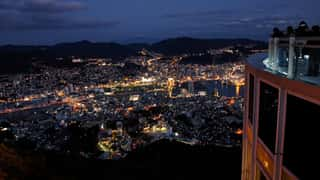
The most efficient way is to take a 10-minute taxi to the 'Kagami Mountain Observatory' (Kagamiyama) for an aerial view first, then have the driver drop you at the 'Karatsu Burger' stand inside the forest for a 20-minute walk through the pines. Total transit cost will be around ¥3,500 (~$22.00 USD).
Is English widely spoken in Karatsu shops and restaurants?
English proficiency is lower in Karatsu than in Tokyo or Kyoto. However, hospitality is high. Most restaurants have 'point-and-order' picture menus, and the Karatsu Station tourist office has excellent English speakers. Use a translation app on your phone for complex pottery questions.
Are credit cards accepted at the Karatsu Kunchi exhibition hall?
Yes, the Hikiyama Exhibition Hall accepts major credit cards for entry and gift shop purchases. However, the small food stalls outside during festivals or in the neighboring streets remain strictly cash-only.
Is it easy to get to Fukuoka from Karatsu port independently?
It is possible but time-consuming. You must take a 10-minute taxi to Karatsu Station, then a 70-minute train on the JR Chikuhi Line to Tenjin or Hakata Station. This is not recommended for port calls under 8 hours, as the 3-hour round-trip transit leaves little time for actual sightseeing.
Do I need to take my shoes off at Karatsu Castle?
Yes, like many Japanese historical sites, you must remove your outdoor shoes before entering the castle keep. Cubbies are provided. If you have difficulty bending over, ensure you wear slip-on shoes for this port call.
Is there free Wi-Fi available in the city center?
Yes, 'Saga-WiFi' is available at Karatsu Station, the Hikiyama Hall, and Karatsu Castle. You will need to register with an email address. For consistent navigation, a portable eSIM or a roaming plan are recommended.
What is the significance of the red fish float seen everywhere?
That is 'Tai' (Sea Bream), the most famous of the 14 Karatsu Kunchi floats. It was built in 1841 and is a symbol of good luck and celebration in Karatsu. You can buy miniature versions of it in most gift shops.
Fact-checked and co-written by J. Richard, Founder, Waterways Cruise, with the Waterways Cruise Content Team.
Published May 19, 2026 · Last updated November 2, 2026
This guide is researched and reviewed by our editorial team, but prices, hours, and availability change often. Confirm current details directly with venues, excursion operators, and your cruise line before you travel.