São Tomé and Príncipe Cruise Ports & Cruise Guide
Total 3
This page is an overview of the 3 cruise ports in São Tomé and Príncipe, covering ocean cruises. 6 cruise ships visit São Tomé and Príncipe across 3 ports. See live sailings and availability on the São Tomé and Príncipe cruises page.
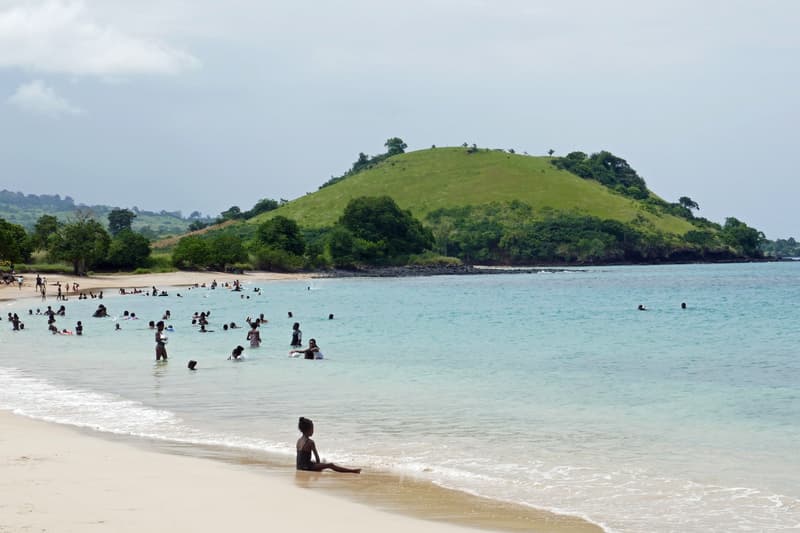

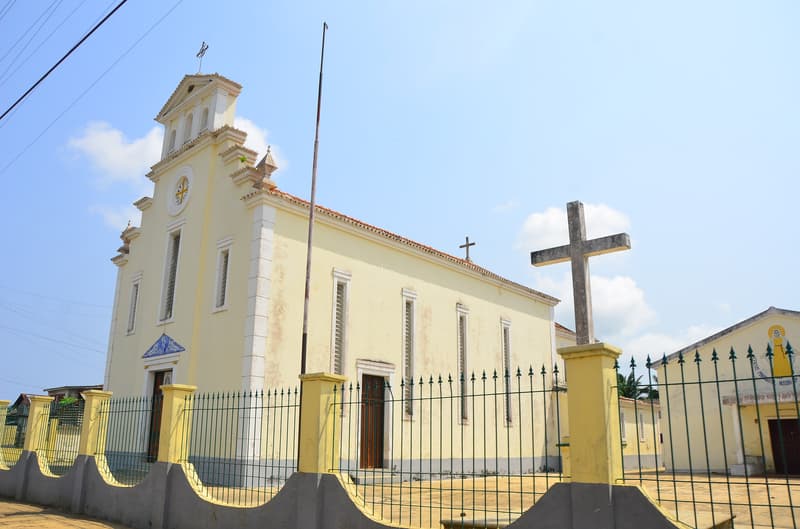
São Tomé and Príncipe is Africa's second-smallest country, two volcanic islands in the Gulf of Guinea with a deeply layered Creole culture, world-class chocolate, empty beaches, and UNESCO-recognized rainforest. Cruise visitors can expect a raw, unhurried, non-touristy destination: no big resorts, no shopping streets, and no touts. The experience is best suited to travelers who find meaning in authentic encounters, natural history, and colonial plantation heritage.
Country facts
History
The islands were uninhabited when Portuguese navigators arrived in the late 15th century. São Tomé was settled as a sugar colony using enslaved Africans, later shifting to cocoa and coffee plantations that made the islands famous worldwide. Independence came in 1975, followed by a gradual transition to multiparty democracy and, more recently, a growing but still niche ecotourism economy.
This is not a country of grand monuments. Its history is small-island, plantation-era, and frequently painful. The most vivid experiences are found in the roça ruins, the forest trails, and the everyday Creole rhythm rather than in curated museums.
Culture
A Creole nation shaped by Portuguese colonizers, enslaved West and Central Africans, and Cape Verdean/Angolan contract workers; proud of its African roots and Lusophone traditions.
Music: Socopé (a rhythmic local style), dêxa, and traditional batuque drumming; Portuguese fado has a small following; many celebrations feature brass bands and accordion.
Signature landscape: Pico Cão Grande, a 663 m phonolite volcanic plug that rises dramatically from the southern rainforest; also the islet of Ilhéu das Rolas, where the Equator line crosses.
Cuisine
- Calulu: smoked fish or chicken stewed with okra, spinach, and palm oil
- Matabala: taro root, often served in stews
- Grilled parrotfish or barracuda
- Jinga tropical: large prawns
- Locally grown chocolate and coffee from the roças
- Tropical fruits such as breadfruit, mango, and papaya
- Cacharamba: a local sugarcane spirit
Architecture & heritage
- Fort São Sebastião (16th-century fortress, now National Museum)
- Sé Catedral de Nossa Senhora da Graça (São Tomé cathedral)
- Roça São João and other plantation estates
- Roça Sundy on Príncipe (site of the 1919 solar eclipse experiment confirmation)
- Santo António's old colonial street grid
- Mercado Municipal in São Tomé
Tips for American travellers
- Learn a few Portuguese phrases; English is limited outside the capital.
- Use cash; credit cards are accepted only in a few hotels and restaurants.
- Dress modestly outside beach resorts and use reef-safe sunscreen.
- Bring insect repellent and anti-malarial precautions; malaria is present.
- Accept the slow pace; appointments and departures are flexible.
- Stay with licensed guides for forest and islet trips; paths are not always marked.
Major cities & destinations
São Tomé (city) Capital city and main port
Historic colonial center, lively market, waterfront promenade, and easy access to roças and rainforest day trips.
Primary cruise port; most itineraries spend a full day here, allowing a walking tour in the morning and a roça or forest excursion in the afternoon.
Fort São Sebastião / National Museum Sé Catedral de Nossa Senhora da Graça Mercado Municipal Praça da Independência Ana Chaves BaySanto António Second city and Príncipe Island port
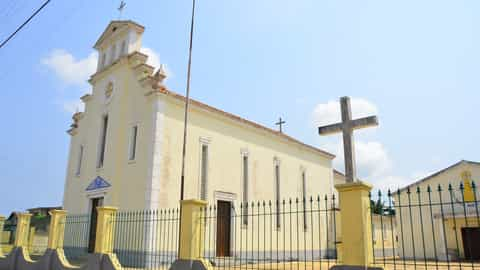
Sleepy former colonial capital of Príncipe, gateway to the UNESCO Biosphere Reserve, with a small grid of colorful houses, a church, and fort ruins.
Used as an anchorage/tender call for Príncipe; shore excursions usually combine the town with a trip to Roça Sundy or a beach/zodiac ride.
Igreja de Santo António Roça Sundy Príncipe UNESCO Biosphere Reserve Praia Banana Local market and colonial-era streetsIlhéu das Rolas Islet and Equator crossing
A tiny islet off the southern tip of São Tomé where the Equator line is marked; turquoise water, palm-fringed beaches, and the famous Marco do Equador monument.
Usually a scenic morning call or a shore excursion from São Tomé via boat; landings depend on sea conditions and are often by zodiac.
Marco do Equador monument Praia das Conchas Lighthouse and south-coast viewsPico Cão Grande Volcanic landmark
A towering 663 m phonolite plug that looks like something from another planet; a symbol of the island's volcanic origin and a dramatic photo subject.
Usually reached by 4x4 from São Tomé as a half-day excursion; not a cruise port, but a must-see in the island interior.
Pico Cão Grande viewpoint Surrounding cacao and rainforest habitatObo National Park National park
São Tomé's protected rainforest, home to endemic birds, giant tree ferns, and the island's highest peak (Pico de São Tomé); pristine and uncrowded.
Day excursions from São Tomé can reach the park's lower trails; full summit hikes are better for independent travelers with more time.
Pico de São Tomé trail Bom Sucesso Botanical Garden São Nicolau Waterfall Rainforest canopy viewpointsRoça São João Heritage plantation
A beautifully restored 19th-century roça (plantation estate) that now serves as a museum/hotel, offering a window into the island's cocoa and coffee era.
The most manageable roça visit from the São Tomé port; combine with the town for a full day.
Main manor house Cocoa drying terraces Workers' quarters and chapel Small museum on plantation historyLagoa Azul Natural lagoon/beach
A protected tidal pool with calm, clear blue water on São Tomé's north coast; ideal for swimming and snorkeling in a scenic volcanic cove.
A common shore excursion from São Tomé for half-day beach time; small boats may land close to the lagoon.
Lagoa Azul natural pool Nearby black-sand beach Coconut palm grovesMonte Café Cultural / coffee plantation
The heart of São Tomé's historic coffee country, set in misty highlands with old colonial buildings, a coffee museum, and plantation trails.
A cooler, green inland excursion from São Tomé, contrasting with the coast.
Coffee museum Monte Café plantation buildings Arabica coffee terraces Lookout over the islandCruise ports of call
São Tomé and Príncipe has no dedicated cruise terminals. Commercial vessels use the main harbor in São Tomé, while Príncipe and smaller islets require tendering or zodiac landings. Cruise calls are irregular and often part of broader West Africa or Atlantic island expeditions.
- West Africa Coastal Voyages: itineraries between Senegal, Ghana, Gabon, and Angola, often calling at São Tomé for one full day.
- Atlantic Islands & Gulf of Guinea Expedition: smaller expedition vessels combine Cape Verde, São Tomé, Príncipe, and sometimes St. Helena, with more flexible landing schedules.
São Tomé West Africa Coastal Voyages
Most ships use the commercial Porto de São Tomé or anchor in Ana Chaves Bay and tender. Facilities are modest but functional. The capital's colonial center is within easy walking distance; many excursions use 4x4s or minibuses for plantation and forest trips.
Best for: Colonial history, roça heritage, rainforest day trips, local market life.
Operators: Ponant, Seabourn, Silversea, Hapag-Lloyd Cruises, Swan Hellenic
Santo António Atlantic Islands & Gulf of Guinea Expedition
Ships anchor off Príncipe, and passengers tender to Santo António or a nearby beach. There is no cruise pier. The small town is a 10-minute walk from the landing, and excursions use local vehicles on rough roads.
Best for: Príncipe biosphere, Roça Sundy, quiet beaches, endemic birdwatching.
Operators: Ponant, Seabourn, Silversea, Hapag-Lloyd Cruises, Swan Hellenic
Ilhéu das Rolas Atlantic Islands & Gulf of Guinea Expedition
A small islet south of São Tomé often visited by expedition-style cruises or as a shore excursion from the capital. Landings are wet; no dock. The Equator monument is a short walk from the beach.
Best for: Equator crossing, beach time, snorkeling, dramatic south-coast scenery.
Operators: Ponant, Seabourn, Silversea, Hapag-Lloyd Cruises, Swan Hellenic
Regional itineraries often pair São Tomé with Libreville (Gabon), Malabo (Equatorial Guinea), Pointe-Noire (Republic of the Congo), Takoradi (Ghana), Lomé (Togo), and occasionally Luanda (Angola) or Cape Town (South Africa).
All cruise ports in São Tomé and Príncipe
Ships visiting by type: 5 ocean 1 expedition
Showing 3 ports in São Tomé and Príncipe
River cruises & routes
São Tomé and Príncipe has no navigable rivers; the term 'river cruise' does not apply. Instead, cruise itineraries are coastal/island expeditions, often using zodiacs or tenders for landings. The country is a port of call within broader Africa/Atlantic itineraries rather than a river-cruise destination.
| Route | Length | Countries | Highlights |
|---|---|---|---|
| West Africa Coastal Voyage | 14–21 | Senegal to Angola (or reverse), with stops in São Tomé and Príncipe | Colonial roças, Pico Cão Grande, Equator islet, biosphere reserve |
| Atlantic Islands Expedition | 10–14 | Cape Verde to São Tomé and Príncipe, sometimes St. Helena | Volcanic landscapes, endemic birds, Creole culture |
| Gulf of Guinea Discovery | 7–12 | São Tomé, Príncipe, Gabon, Equatorial Guinea | Rainforest, cocoa history, island beaches |
Season: Year-round tropical; drier and less humid from June to September (the 'gravana' season); calmer seas generally during the northern-hemisphere summer. Cruise calls are most reliable July–September, but some lines operate in December–April for world cruises.
Cruise lines visiting São Tomé and Príncipe
São Tomé and Príncipe appears most often on expedition and ultra-luxury cruise itineraries rather than mainstream mega-ship routes. Calls are irregular, so travelers should treat port schedules as provisional until the ship actually docks.
Ponant
Africa and Atlantic expedition itineraries; small luxury yachts with expedition teams.
Seabourn
Ultra-luxury expedition voyages along West Africa.
Silversea
Expedition and world cruise calls.
Hapag-Lloyd Cruises
German-language and international expedition voyages.
Swan Hellenic
Cultural expedition cruises in Africa and the Atlantic.
These operators have been observed in regional cruise schedules, but port calls are irregular and often weather-dependent. Always confirm current deployment with the cruise line or a specialist travel advisor.
Planning & advice
For an American who fears being herded, São Tomé and Príncipe is refreshingly anti-tourist. There are no mega-ports, no t-shirt shops, and no crowds. It rewards curiosity, tolerance for rough edges, and a willingness to engage with a place that feels genuinely remote and unpolished.
For the American traveller
- Passport must be valid for at least six months beyond arrival; confirm visa/e-visa requirements with the official São Tomé e-Príncipe e-Visa portal or embassy before booking.
- No direct flights from North America; most travelers fly via Lisbon (TAP) or Accra (ASKY Airlines). Allow ample connection time.
- Yellow fever vaccination certificate may be required; consult CDC and a travel clinic 6–8 weeks before departure.
- Malaria is present on both islands; take prescribed prophylaxis and use DEET-based repellent.
- Drink only bottled or filtered water; avoid raw vegetables in local eateries.
- Crime is relatively low but petty theft can occur; keep valuables in the ship safe and avoid displaying expensive items.
- Cash is king; exchange enough dobras on arrival, and use small denominations for taxis and markets.
- Mobile data is patchy; download offline maps and consider a local STP SIM for internet.
Excursion planning
- Book through the cruise line or an established local guide; roads are rough and signage is minimal.
- Take sun protection, a wide-brim hat, swimwear, and a dry bag for wet landings.
- Wear closed-toe shoes for roça and forest hikes; some paths are muddy.
- Expect slow pace; a 10-mile drive can take over an hour on winding, potholed roads.
- Respect protected areas: don't touch corals, take nothing, and keep noise down for birdwatching.
- If you prefer no crowds, ask for the earliest morning excursion or a small-group option.
The verdict
A hidden gem for travelers who value authenticity over comfort and who want to visit one of Africa's smallest, least-commercial island nations. Come for the roça history, the volcanic scenery, and the almost empty beaches; don't come expecting luxury infrastructure or punctual excursions.
Sources
- CIA World Factbook — São Tomé and Príncipe - The World Factbook (accessed 2026-09-09)
- Encyclopaedia Britannica — São Tomé and Príncipe (accessed 2026-09-09)
- UNESCO — Príncipe Island Biosphere Reserve (accessed 2026-09-09)
- Lonely Planet — São Tomé & Príncipe Travel Guide (accessed 2026-09-09)
- Wikimedia Commons — Category: São Tomé and Príncipe (accessed 2026-09-09)