South Korea Cruise Ports & Cruise Guide
Total 6
This page is an overview of the 6 cruise ports in South Korea, covering ocean cruises. Cruises start and end at Busan, Seogwipo, Sokcho. 37 cruise ships visit South Korea across 6 ports. See live sailings and availability on the South Korea cruises page.


South Korea offers a rare combination of ancient heritage, contemporary energy, natural drama, and personal safety. For the American milestone traveler, it works best as an ocean-cruise destination with port calls at Busan, Jeju, and Incheon, rather than as a river-cruise market. The country rewards those who trade overscheduled group tours for small-group and independent exploration: a quiet temple in Gyeongju, a dawn walk at Seongsan Ilchulbong, a seafood dinner in Busan, or a palace-to-hanok day in Seoul. The trade-offs are honest: there is no European-style river cruise network here, the language barrier is real but manageable with apps, and the DMZ requires licensed guides. Yet for travelers who want to feel deeply connected to a place without feeling herded, South Korea is among Asia's most accessible and rewarding choices.
Country facts
History
The Korean Peninsula has a long arc of dynastic kingdoms, foreign invasions, colonial occupation, division, and one of the world's most rapid modern transformations. South Korea emerged from the Korean War as a poor nation and developed into a global economic and cultural power while preserving deep-rooted traditions.
South Korea's modern story is inseparable from the unresolved division with North Korea; visitors will see memorials and a heavily guarded border. Japanese colonial rule remains a live memory, and discussions of Korea-Japan relations can carry historical weight. At the same time, South Korea is a thriving democracy with high personal safety and excellent infrastructure.
Culture
Koreans often speak of 'jeong' - a deep emotional bond and attachment to people and place. The culture balances fast-forward modernity with Confucian respect for age, family, and collective harmony.
Music: K-pop has made South Korea a global music powerhouse, but traditional 'gugak' and 'pansori' (epic storytelling through song) also remain vibrant, as does a broad independent and jazz scene in Seoul.
Signature landscape: Jeju Island's volcanic landscape - Hallasan, columnar joints, and the Manjanggul lava tube - stands as South Korea's most distinctive natural wonder; Seoraksan offers spectacular alpine scenery on the mainland.
Cuisine
- Kimchi
- Bibimbap
- Bulgogi
- Korean BBQ (samgyeopsal, galbi)
- Banchan (shared side dishes)
- Haemul pajeon (seafood scallion pancake)
- Tteokbokki
- Naengmyeon (cold buckwheat noodles)
- Korean fried chicken
- Soju and makgeolli
Architecture & heritage
- Changdeokgung Palace (Seoul)
- Gyeongbokgung Palace (Seoul)
- Bulguksa Temple and Seokguram Grotto (Gyeongju)
- Haeinsa Temple and the Tripitaka Koreana
- Hwaseong Fortress (Suwon)
- Hanok villages like Bukchon and Andong Hahoe
- Modern architecture such as the Dongdaemun Design Plaza and Lotte World Tower
Tips for American travellers
- Use Naver Map or Kakao Map rather than Google Maps for reliable walking and transit directions.
- Carry a T-money card for subways, buses, and taxis; it also works in many convenience stores.
- Tipping is not customary in South Korea; service is included.
- Learn a few basic phrases - 'annyeonghaseyo' (hello) and 'kamsahamnida' (thank you) are appreciated.
- Be mindful of the DMZ; book official licensed tours and check current rules before visiting military areas.
- Bring a universal adapter; Korean outlets are Type C/F at 220V.
- Public Wi-Fi is excellent, but a local eSIM or pocket Wi-Fi will help in rural areas and ports.
Major cities & destinations
Seoul Capital and metropolitan city
Seoul is South Korea's energetic heart: royal palaces, old alleys, K-pop, art museums, and one of the world's best subway systems.
Most international flights and some cruises connect to Seoul through Incheon; Seoul itself is not a deep-water cruise port, but it anchors the inland tour for passengers docking at Incheon or Pyongtaek.
Gyeongbokgung Palace Changdeokgung Palace and Huwon (Secret Garden) Bukchon Hanok Village Jongmyo Shrine Namsan Seoul Tower Cheonggyecheon Stream Insadong Dongdaemun Design Plaza Myeongdong and Namdaemun markets National Museum of KoreaBusan Major port city
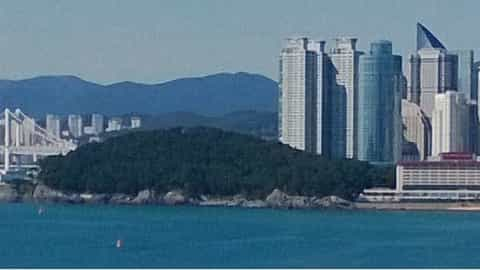
South Korea's second-largest city is a gritty, cosmopolitan seaport known for beaches, fish markets, temples, and mountains.
Busan International Cruise Terminal is the country's main ocean-cruise hub, served by most Asia itineraries.
Haeundae Beach Gamcheon Culture Village Jagalchi Fish Market BIFF Square Haedong Yonggungsa Temple Beomeosa Temple Taejongdae Resort Park Busan Tower Gukje Market Songdo SkywalkIncheon Metropolitan city and gateway port
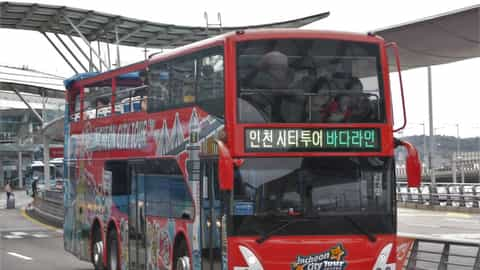
Incheon is where many cruisers first touch Korea; it has a lively Chinatown, open-port history, and easy rail access to Seoul.
Incheon Port serves as the port for Seoul on many Japan-Korea and China-Korea cruises; Incheon International Airport is the country's main aviation gateway.
Incheon Chinatown Songwol-dong Fairy Tale Village Wolmido Island and boardwalk Incheon Landing Operation Memorial Hall Songsan-dong Bronze Age Tombs Gyeongin Ara Waterway Open Port Culture District (Jemulpo)Jeju Volcanic island and special self-governing province
Korea's most beloved island escape: dramatic volcanic cones, waterfalls, beaches, oreum (small volcanic hills), and unique haenyeo (female diver) culture.
Jeju is a frequent port of call on Japan-Korea cruises; ships dock at Jeju International Cruise Terminal in Jeju City or anchor at Seogwipo for tenders.
Hallasan National Park Manjanggul Lava Tube Seongsan Ilchulbong (Sunrise Peak) Jeongbang Waterfall Yongduam Rock Udo Island O'Sulloc Tea Museum and green tea fields Seongeup Folk Village Haenyeo Museum Camellia HillSokcho East coast port city
Gateway to Seoraksan National Park, Sokcho combines rugged mountains, beaches, and a working fishing port.
A scenic call on east-coast Japan-Korea routes; vessels anchor or use the small port, with shore excursions to Seoraksan.
Seoraksan National Park Sinheungsa Temple Ulsanbawi Rock Sokcho Beach Abai Village Daepo Port Cheoksan Hot Springs Seorak Cable CarYeosu Southern coastal city
Yeosu is a quiet maritime gem on the southern coast: islands, seafood, Yi Sun-sin history, and a stunning night ocean view.
Emerging port of call on southern Korea and Japan-Korea itineraries, with docking at Yeosu Port and easy access to Suncheon and Boseong.
Yeosu Maritime Cable Car and Dolsan Park Hyangiram Hermitage Odongdo Island Jinnamgwan Hall Yi Sun-sin Plaza Arte Museum Yeosu Suncheonman Bay Wetland Reserve Boseong Green Tea FieldsGyeongju Historic city (inland excursion hub)
The ancient capital of Silla, Gyeongju is an open-air museum of royal tombs, temples, and stone pagodas.
Not a cruise port, but a core shore-excursion destination from Busan, Ulsan, and occasionally Pohang; passengers should expect a 1-1.5 hour drive from Busan.
Bulguksa Temple Seokguram Grotto Cheomseongdae Observatory Anapji Pond Gyerim Forest Tumuli Park and Cheonmachong Tomb Yangdong Folk Village Gyeongju National MuseumCruise ports of call
International ocean cruising is the real South Korea cruise story. Major ports are Busan, Incheon, and Jeju, with secondary calls at Sokcho and Yeosu. Most itineraries pair Korea with Japan or China rather than operating dedicated domestic river cruises.
- Japan-Korea circuit: short two-country loops from Japanese homeports or Shanghai that call at Busan, Jeju, and often Incheon for Seoul.
- Northern Asia grand voyages: longer itineraries connecting Japan, South Korea, Taiwan/Hong Kong, or Alaska/Yokohama to Southeast Asia, with multi-day Korean port stays.
Busan Japan-Korea circuit and Northern Asia grand voyages
Busan International Cruise Terminal sits near the city center; ships can stay overnight, allowing two full days. The city has beaches, temples, markets, and direct KTX rail to Seoul (about 2.5 hours).
Best for: First-time cruisers wanting a walkable Korean city, seafood, and access to Gyeongju.
Operators: Celebrity Cruises, Royal Caribbean International, Princess Cruises, Holland America Line, Norwegian Cruise Line, Oceania Cruises, Regent Seven Seas Cruises, Seabourn, Silversea, Azamara, Viking Ocean
Incheon Japan-Korea circuit
Incheon's international cruise terminal and its proximity to Seoul make it the top choice for cruisers who want palaces, museums, and Korean food in the capital. Rail (AREX) connects Incheon to Seoul Station in about 40-50 minutes.
Best for: First-timers who want Seoul's culture and history; passengers with mobility concerns can book a direct transfer.
Operators: Celebrity Cruises, Royal Caribbean International, Princess Cruises, Holland America Line, Norwegian Cruise Line, Oceania Cruises, Regent Seven Seas Cruises, Seabourn, Silversea, Azamara, Viking Ocean
Jeju Japan-Korea circuit and Northern Asia grand voyages
Jeju International Cruise Terminal is near Jeju City; ships may also anchor at Seogwipo and tender. Because the island is compact, visitors can see volcanic craters, lava tubes, waterfalls, and tea fields in a day.
Best for: Nature lovers and travelers seeking Korea's most distinctive island culture.
Operators: Celebrity Cruises, Royal Caribbean International, Princess Cruises, Holland America Line, Norwegian Cruise Line, Oceania Cruises, Regent Seven Seas Cruises, Seabourn, Silversea, Azamara, Viking Ocean
Sokcho Northern Asia grand voyages
Sokcho is a working fishing port with a small cruise pier. It serves as the access point for Seoraksan National Park and the east coast's dramatic mountains and beaches.
Best for: Hikers and travelers seeking a less-polished, scenic Korean stop.
Operators: Holland America Line, Princess Cruises, Norwegian Cruise Line, Oceania Cruises, Seabourn, Silversea, Regent Seven Seas Cruises
Yeosu Northern Asia grand voyages
Yeosu's harbour is scenic and calm, with a maritime cable car linking Dolsan Island. It is the gateway to Suncheon Bay, Boseong green tea fields, and the southern coast's food culture.
Best for: Travelers looking for quieter, authentic Korean coastal scenery beyond the big cities.
Operators: Holland America Line, Celebrity Cruises, Oceania Cruises, Seabourn, Silversea, Regent Seven Seas Cruises
Pohang and Mokpo also see occasional cruise calls, but berths are limited and tour options are less developed than at Busan, Jeju, or Incheon. Most South Korea cruise itineraries revolve around the Busan-Jeju-Incheon triangle.
All cruise ports in South Korea
Ships visiting by type: 35 ocean 4 expedition
Showing 6 ports in South Korea




River cruises & routes
South Korea is not a classic river-cruise destination. The Han River in Seoul supports sightseeing and dinner boats, while the Geum and Nakdong rivers have small excursion craft, but no overnight European-style river cruise product is well established. International visitors seeking Korea by water should plan an ocean cruise with port stops or a DIY land itinerary using ferries and high-speed rail.
| Route | Length | Countries | Highlights |
|---|---|---|---|
| Japan-South Korea sampler | 10-14 | Japan, South Korea | Tokyo/Yokohama, Mount Fuji, Nagasaki or Kagoshima, Busan, Jeju, Incheon/Seoul |
| China, Japan & South Korea grand Asia | 14-21 | China, Japan, South Korea | Beijing/Tianjin, Shanghai, Nagasaki, Busan, Jeju, Incheon |
| Alaska-Japan-Korea transpacific | 20-30 | United States/Canada, Japan, South Korea, sometimes Taiwan/Hong Kong | Crossing the North Pacific with calls at Dutch Harbor, Kushiro, Aomori, Busan, Jeju, Incheon, and onward |
Season: March-June and September-November are best for mild weather; summer is hot and humid with typhoon risk; winter is cold but scenic, with fewer crowds.
Cruise lines visiting South Korea
South Korea appears on many Asia itineraries, but no line bases a ship year-round in Korea. Most calls are integrated into Japan- or China-centric routes, or transpacific repositioning voyages. The strongest Korean coverage comes from premium and expedition lines that use smaller ships.
Celebrity Cruises
Japan-Korea summer loops; transpacific sailings
Ships: Celebrity Millennium, Celebrity Solstice
Royal Caribbean International
Japan and China departures calling at Busan and Jeju
Ships: Quantum of the Seas, Spectrum of the Seas, Ovation of the Seas
Princess Cruises
Northern Asia circuits, often from Yokohama or Shanghai
Ships: Diamond Princess, Majestic Princess
Holland America Line
Japan, South Korea and Far East voyages; occasional transpacific
Ships: Westerdam, Noordam
Norwegian Cruise Line
Asia and transpacific itineraries with Korean port calls
Ships: Norwegian Jewel, Norwegian Spirit
Regent Seven Seas Cruises
All-inclusive Asia and transpacific voyages including Korea
Ships: Seven Seas Explorer, Seven Seas Voyager
Seabourn
Luxury expedition-style Asia sailings
Ships: Seabourn Quest, Seabourn Encore
Silversea
Ultra-luxury Asia itineraries
Ships: Silver Muse, Silver Shadow, Silver Whisper
Azamara
Longer, more immersive port stays in Korea
Ships: Azamara Journey, Azamara Quest
Viking Ocean
Cultural Asia cruises with included excursions
Ships: Viking Orion, Viking Jupiter
This is not an exhaustive list, and deployments change seasonally. Consult the line or a cruise specialist for current Korean port schedules.
Planning & advice
South Korea rewards the milestone traveler who wants more than a postcard: it is safe, compact, deeply historic, and culinarily thrilling. The combination of high-speed rail, walkable city districts, and ocean cruise ports means you can shape a trip that feels purposeful rather than herded. A traveler will find good accessibility in major attractions, short distances between sights, and a culture that treats age with respect.
For the American traveller
- Entry rules: U.S. citizens can enter South Korea visa-free for tourism stays up to 90 days; however, electronic travel authorizations (K-ETA) or visa-exemption rules can change. Verify with the Korean Embassy or the official K-ETA website before travel.
- Purchase comprehensive travel insurance; medical care is high quality, but foreign visitors can face high bills.
- Keep your passport or a photo copy on you; immigration and police may ask for ID.
- Use official taxis and ride apps; if a taxi meter is not running, ask to use the meter.
- Check the U.S. State Department and local advisories for North Korea tensions; the DMZ is heavily guarded but tourism continues under licensed operators.
- Credit cards are widely accepted in cities, but keep cash won for markets and small restaurants.
- Mobile connectivity: buy a Korean eSIM or SIM at Incheon; public Wi-Fi is good.
- Do not be afraid to go independent; Korea is one of the safest countries in the world for solo and small-group travel.
Excursion planning
- Book private or small-group tours through licensed operators, especially for DMZ/JSA visits; large bus tours can feel herded and the best experiences often happen in small groups.
- In port, check whether the ship docks or tenders; if tendering, plan extra time and book ship or private tours accordingly.
- Use Korea's excellent rail (KTX) and subway systems for DIY port-to-city trips; Incheon to Seoul and Busan to Gyeongju are straightforward.
- Plan around Korean meal times and market hours: many markets open around 9-10 a.m. and close by 8-10 p.m.; some restaurants close mid-afternoon.
- Reserve popular guided tours, tea ceremonies, and temple stays at least a month in advance, especially in spring and autumn.
- In Jeju, a car with driver is the most efficient way to see the island in a single port call; public buses are slow.
- Leave the DMZ tour for Seoul-based overnights; trying to do it on a cruise port day is unrealistic.
The verdict
South Korea is not a river-cruise destination in the European sense, but for ocean cruisers and independent travelers it offers one of Asia's most accessible, safe, and culturally rich itineraries. The best experience balances Busan, Jeju, and Seoul with a small-group excursion into Gyeongju or Seoraksan - and skips the overscheduled 'Korea in a day' bus tours.
Sources
- CIA World Factbook — South Korea (accessed 2026-09-09)
- The World Bank — Republic of Korea Overview (accessed 2026-09-09)
- Korea Tourism Organization — Visit Korea (accessed 2026-09-09)
- U.S. Department of State — South Korea International Travel Information (accessed 2026-09-09)
- Encyclopaedia Britannica — South Korea (accessed 2026-09-09)
- Cruise Critic — Cruise Ports in South Korea (accessed 2026-09-09)