Busan Cruise Port
The Busan Port International Passenger Terminal sits approximately 1.5 km (0.9 miles) from Busan Station, a 5-minute taxi ride costing roughly ₩5,500 (~$4.00 USD). Located on the southeastern tip of the Korean Peninsula in the Yeongnam region, Busan is South Korea’s second-largest city and its definitive maritime capital. Visitors consistently report that the city’s sheer scale often overwhelms those who do not prioritize their route. You are visiting a mixed port where the urban sprawl meets the Korea Strait, offering a jagged coastline of cliffs and beaches. Realistically, you can expect a day defined by high-speed efficiency and deep historical contrast. The destination rewards those who venture to the outskirts early; it punishes those who underestimate the 45-minute traffic delays between the terminal and the northern districts. For those considering overland extensions, Busan is a 1-hour KTX train journey from the historic Silla capital of Gyeongju (80 km/50 miles) and roughly 50 minutes from the industrial hub of Ulsan (60 km/37 miles). Whether you are arriving on an ocean-going vessel or a boutique small ship, the logistics favor the prepared. This city demands a choice between the mountains and the sea; attempting both in six hours is often unsuccessful.
Busan Port International Passenger Terminal


Busan, South Korea Port
UN/LOCODE KRPUS Port of call Homeport
Busan Cruise Port Location
| Port Details | |
|---|---|
| Country | South Korea |
| UN/LOCODE | KRPUS |
| Contact | |
| Address | 206 Chungjang-daero, Dong-gu, Busan, South Korea |
| Port phone | +82-51-400-1200 |
| Website | www.busanpa.com |
| Geography | |
| Coordinates | 35.10600, 129.03004 |
| Accessibility | |
| Accessible | Limited |
The Busan Port International Passenger Terminal sits approximately 1.5 km (0.9 miles) from Busan Station, a 5-minute taxi ride costing roughly ₩5,500 (~$4.00 USD). Located on the southeastern tip of the Korean Peninsula in the Yeongnam region, Busan is South Korea’s second-largest city and its definitive maritime capital. Visitors consistently report that the city’s sheer scale often overwhelms those who do not prioritize their route. You are visiting a mixed port where the urban sprawl meets the Korea Strait, offering a jagged coastline of cliffs and beaches. Realistically, you can expect a day defined by high-speed efficiency and deep historical contrast. The destination rewards those who venture to the outskirts early; it punishes those who underestimate the 45-minute traffic delays between the terminal and the northern districts. For those considering overland extensions, Busan is a 1-hour KTX train journey from the historic Silla capital of Gyeongju (80 km/50 miles) and roughly 50 minutes from the industrial hub of Ulsan (60 km/37 miles). Whether you are arriving on an ocean-going vessel or a boutique small ship, the logistics favor the prepared. This city demands a choice between the mountains and the sea; attempting both in six hours is often unsuccessful.
Busan — Port Overview
History
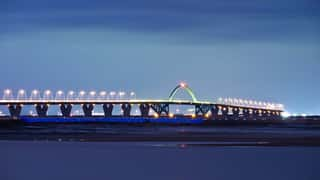
Busan’s modern identity was forged in the crucible of the Korean War (1950–1953). While the rest of the peninsula fell, Busan remained the only major city never captured by North Korean forces, serving as the provisional capital and a desperate refuge for millions. This era created the unique 'hillside villages' like Gamcheon, where refugees built makeshift homes on steep slopes. Long before this, however, Busan was a strategic gateway. In 1407, it was designated as a primary trading port with Japan, a role that shaped its multicultural maritime heritage. The Japanese occupation (1910–1945) radically modernized the port infrastructure, turning it into a colonial hub. You can still see the remnants of this industrial expansion in the warehouses around the Old Port. The city officially came to international prominence with the 2002 World Cup and the annual Busan International Film Festival, shifting from a gritty port to a global cultural player. Today, the Gwangandaegyo Bridge, completed in 2003, serves as a glittering symbol of this 21st-century resurgence. When you look at the skyline from the Korea Strait, you are seeing a city that reconstructed itself from rubble into the world's sixth-busiest container port in less than seven decades. The contrast between the 14th-century Beomeosa Temple and the glass towers of Centum City is the direct result of this compressed, explosive history.
The Verdict
At Busan, the people who do best are the ones who arrive with a plan and the flexibility to adapt to its vertical terrain. This guide has been fact-checked by J. Richard and the Waterways Cruise editorial team. Excursions that guarantee a return to the ship can be tailored to your mobility, interests, and pace, so missing departure is never a concern. No two travelers want the same day in the Land of the Morning Calm.
Things to Do & See in Busan
| Attraction | Type | Address | Phone | Hours | Website | Admission |
|---|---|---|---|---|---|---|
| UN Memorial Cemetery | Historical Site | 93 UN Pyeonghwa-ro, Nam-gu, Busan, South Korea | +82-51-624-1101 | 09:00 AM - 06:00 PM | unmck.or.kr | Free |
| Haedong Yonggungsa | Cultural Site | 86 Yonggung-gil, Gijang-eup, Gijang-gun, Busan, South Korea | +82-51-722-7744 | 05:00 AM - 08:00 PM | yonggungsa.or.kr | Free |
UN Memorial Cemetery · Historical Site
FreeThe only UN-recognized cemetery in the world, this is a beautifully manicured park that serves as the final resting place for 2,300 soldiers from 11 countries. Be aware that this is the most moving site in Busan for American travelers. You'll walk among precisely aligned headstones that represent the high price of Busan’s freedom. Most visitors walk past the 'Dauntless Waterway' pond without realizing its symbolic depth. The walking loop takes about 45 minutes at a slow pace. It is a profound contrast to the neon intensity of the rest of the city. The staff here maintain a level of reverence that is rare in modern tourism. This is the experience that gives the city's modern skyscrapers their context.
93 UN Pyeonghwa-ro, Nam-gu, Busan, South Korea ·+82-51-624-1101 ·09:00 AM - 06:00 PM ·www.unmck.or.kr
Haedong Yonggungsa · Cultural Site
FreeWhile most Buddhist temples in Korea are tucked into quiet mountain valleys, Haedong Yonggungsa gazes directly into the Korea Strait. Built in 1376 and reconstructed after the Japanese invasions, it is a riot of gold, dragon carvings, and salt-sprayed stone. When you stand on the bridge and hear the waves crashing against the temple foundations, you'll understand why it's called 'The Temple of the Dragon of the East Sea.' Look for the 'Scholar's Buddha' near the entrance—students rub its belly for luck in exams. This site rewards the early riser with a sense of maritime spirituality that is unique in East Asia. It punishes the latecomer with crushing crowds that make the narrow stairs difficult to navigate.
86 Yonggung-gil, Gijang-eup, Gijang-gun, Busan, South Korea ·+82-51-722-7744 ·05:00 AM - 08:00 PM ·www.yonggungsa.or.kr
Eating & Drinking in Busan
Busan’s culinary identity is inseparable from its refugee history and its proximity to the Korea Strait. The regional specialty you must try is 'Mil-myeon'—wheat noodles served in a cold, tangy broth. Unlike the buckwheat noodles of Seoul, these were made from wheat flour provided by UN aid during the war. Another 'must' is 'Dwaeji Gukbap' (pork rice soup), a hearty, milky broth that locals swear by for energy. For something truly local, seek out 'Eomuk' (fish cakes); the Samjin Amook bakery near Busan Station has been making them since 1953. Tourists expect high-end sushi, but locals actually prefer 'Hoe' (Korean-style raw fish) served with spicy gochujang and lettuce wraps. Do not expect soy sauce and wasabi to be the default at traditional market stalls. Wash it all down with 'C1' or 'Daesun' Soju—the local Busan brands that are slightly smoother than the national 'Chamisul.'
| Place | Address | Phone | Hours | Website | Price range |
|---|---|---|---|---|---|
| OASE Seafood Buffet | 5th Floor, Jagalchi Market Building, 52 Jagalchihaean-ro, Jung-gu | +82-51-248-7777 | 11:30 AM - 09:30 PM | oase.kr | ₩65,000 (~$45.00 USD) |
| Gorilla Brewing Co. | 125 Gwangnam-ro, Suyeong-gu, Busan, South Korea | +82-51-714-6258 | 05:00 PM - 12:00 AM (Earlier on weekends) | gorillabrewing.co.kr | ₩9,000 (~$6.50 USD) |
OASE Seafood Buffet
₩65,000 (~$45.00 USD)Located atop the famous Jagalchi Market, this offers the same Korea Strait seafood but with climate control and clear pricing. Order the raw abalone—it is firm, sea-salty, and incredibly fresh. The honest limitation is the noise level during peak lunch hours; it's a high-energy venue, not a quiet retreat.
5th Floor, Jagalchi Market Building, 52 Jagalchihaean-ro, Jung-gu ·+82-51-248-7777 ·11:30 AM - 09:30 PM
Gorilla Brewing Co.
₩9,000 (~$6.50 USD)The pioneer of Busan's craft beer scene. The view of Gwangalli Beach from the nearby area is iconic. Locals come here for the 'Busan Pale Ale' which uses water profiles specifically designed to complement salty seafood. It's the right place to see the city's modern, youthful side.
125 Gwangnam-ro, Suyeong-gu, Busan, South Korea ·+82-51-714-6258 ·05:00 PM - 12:00 AM (Earlier on weekends)
Getting There & Around
The Busan Metro is your most reliable tool for bypassing the city's notorious surface traffic. It is clean, safe, and entirely signed in English. Buy a 'Cashbee' or 'T-Money' card at the terminal convenience store for ₩4,000 (~$3.00 USD) and load it with ₩10,000 (~$7.00 USD); this saves you from fumbling with coins at machines. Taxis are very affordable by American standards, but you must have your destination written in Korean characters (Hangul)—most drivers do not speak conversational English. Uber operates here as 'Uber Taxi,' which simply hails a local licensed cab, providing the benefit of in-app payment. Avoid bike rentals for navigation; Busan is too hilly and the traffic is too aggressive for casual cycling. One navigation tip: the Metro exits are numbered, and exits 1 and 2 can be blocks apart. Always check the neighborhood map at the bottom of the station stairs before surfacing to avoid a 10-minute walk in the wrong direction.
Itineraries & Sample Walks
4-Hour Shore Excursion in Busan
Jagalchi Fish Market
9:00 AM (60 min)
Korea's largest seafood market. Walk the outdoor stalls to see the 'Jagalchi Ajumma' (female vendors) at work. Most visitors miss the 7th-floor terrace view.
- 10-minute taxi from International Terminal (₩6,000 (~$4.50 USD))
- Entry: Free (Free)
- Go to the 2nd floor of the main building if you want to eat; the ground floor is for viewing and buying raw product only.
Gukje Market & BIFF Square
10:15 AM (90 min)
A sprawling wartime-era market. It's the best place for traditional snacks and household goods. Look for 'Mok-ja Golmok' (Let's Eat Alley).
- 5-minute walk from Jagalchi Market (Free)
- Entry: Free (Free)
- Try the 'Ssiat Hotteok' (seed-filled pancakes) at the stalls near the BIFF handprints; they are Busan's signature street food.
Lunch Recommendation
Dong-nae Samgyetang
This is a local institution. Most tourists eat at the Haeundae beach cafes, but this delivers authentic, medicinal Korean soul food that locals queue for.
Order: Samgyetang (Ginseng Chicken Soup), Insa-ju (Ginseng Wine)
45 Bokcheon-ro, Dongnae-gu, Busan, South Korea
Cost: ₩18,000 (~$12.50 USD)
8-Hour Full Day Experience in Busan
Haedong Yonggungsa Temple
8:30 AM (75 min)
One of the few temples in Korea built on the coast. The morning light hitting the main shrine is breathtaking.
- 40-minute taxi from the Terminal (₩28,000 (~$19.50 USD))
- Entry: Free (Free)
- Visit the 'Healing Staircase' (108 steps) early to avoid the tour bus groups that arrive at 10:00 AM.
Haeundae Beach & Coastal Walk
10:30 AM (90 min)
Walk the Dongbaekseom island trail for views of the Korea Strait and the Diamond Bridge.
- 15-minute taxi from the temple (₩10,000 (~$7.00 USD))
- Entry: Free (Free)
- Skip the main beach sand if you have limited mobility; the wooden boardwalk is much easier and offers better views.
Getting back to the ship
To guarantee your return for an 18:00 'All Aboard,' you must be in a taxi heading toward the port no later than 16:45 if you are in Nampo-dong, or 16:15 if you are in Haeundae. Busan’s 'Friday rush' starts as early as 15:30. A taxi from Haeundae to the International Terminal will cost roughly ₩25,000 (~$17.50 USD) and can take 30 to 60 minutes depending on tunnel traffic. If you miss the ship, your first call should be the Port Authority (+82-51-400-1200). The ship will not hold for independent travelers. Missing the ship here means a 3-hour KTX journey to Seoul or a flight to your next port, likely in Japan; the costs for this logistical nightmare start at $1,200 USD per person.
Weather & Best Time to Visit Busan
Weather & What to Pack
Cruise season: March to November
15°C–28°C (59°F–82°F). High humidity in July/August; crisp and dry in October/November.
What to wear: Layering is vital. A lightweight, waterproof jacket is essential as coastal breezes from the Korea Strait can be chilly even in summer. Wear sturdy walking shoes with non-slip soles; Busan's markets and temples are often wet or paved with uneven stone. Sun protection is needed for the exposed Haeundae beach and Gamcheon hills.
Weather risks: Typhoon season (August–September) can cause sudden port cancellations or tender delays for smaller vessels.
Autumn (October) is the 'goldilocks' window with clear skies and vibrant foliage.
| Season | Conditions | Hazards | Affected areas | Visitor advice |
|---|---|---|---|---|
| Summer (June–August) | Hot, humid, and prone to heavy monsoon rains. Temperatures often exceed 30°C (86°F). | Steep hillside stairs in Gamcheon become treacherous when wet. High humidity creates a significant exhaustion risk for those walking the Haeundae promenade. | Gamcheon Culture Village, Haeundae Beach, and the Beomeosa Temple hiking trails. | Carry a high-quality umbrella and utilize the climate-controlled Metro system. Avoid the 2:00 PM sun at Haedong Yonggungsa. |
| Spring (March–May) | Mild and pleasant, with cherry blossoms peaking in early April. Average temperatures 15°C–20°C (59°F–68°F). | Extreme crowding in parks and near temples can lead to pushing and trip hazards on uneven temple grounds. | Dalmaji Hill, Oncheoncheon Stream, and the Busan Citizens Park. | Wear comfortable walking shoes with good grip for temple cobblestones. Book taxis in advance as demand spikes during blossom season. |
Practical Information
Cultural etiquette
In Busan, people are known for being more direct and 'salty' than in Seoul—it's a port city personality. When greeting, a slight bow is the standard; the deeper the bow, the more respect shown. In dining, never start eating until the oldest person at the table has taken their first bite. If a local offers you a drink of Soju, hold your glass with two hands to receive it. Photography is strictly prohibited inside the main halls of temples during prayer times—watch for the 'no camera' signs. Queueing is generally respected in Metro stations but can be chaotic at street food stalls; just hold your ground. Tipping is not expected and can sometimes be confusing for the recipient; however, a simple 'Kamsahamnida' (Thank you) goes a long way. A common mistake cruise passengers make is trying to tip taxi drivers—they will often chase you down to return the change, thinking you forgot it.
Mistakes to Avoid
| Mistake |
|---|
Taking the Metro to Haedong Yonggungsa Temple. |
Waiting for the elevator at Busan Tower. |
Ordering 'Sashimi' at a traditional market and expecting Japanese style. |
Using a US-based map app for walking directions. |
Practical tips
South Korea is nearly cashless; Visa and Mastercard are accepted everywhere from luxury malls to most market stalls. However, keep ₩20,000 (~$14.00 USD) in cash for the 'village buses' and small street food vendors. Tipping is non-existent; do not add it to restaurant bills. Learn these five phrases: 'An-nyeong-ha-se-yo' (Hello), 'Kam-sa-ham-ni-da' (Thank you), 'Ol-ma-ye-yo?' (How much?), 'Hwa-jang-sil-eo-di-ye-yo?' (Where is the bathroom?), and 'Ma-si-sseo-yo' (It's delicious). Be aware of the 'overcharge' scam at Jagalchi; always ask for the price 'per kilo' before they prep the fish. Dress code is casual, but when visiting Beomeosa or other temples, ensure shoulders and knees are covered. The best time to visit the Lotte Mart observation deck is 30 minutes before sunset for the harbor lighting ceremony.
Cruise Lines Visiting Busan
















Why Book With Waterways Cruise?
Four decades of expertise, one dedicated advisor, and every detail handled, from your front door to the gangway and back.
Personal Service — Your Own Cruise Concierge
Tailor-Made — 100% Custom-Built
Expertise — 40+ Years in Travel
Price Watch — Book With Total Confidence
Signature Sailings
All Cruise Lines at Busan (A–Z)
Nearby Ports



FAQ — Busan
Does the Busan cruise terminal have free luggage storage?
No, there is no free storage. However, the 2nd floor of the International Terminal has paid lockers for ₩3,000–₩7,000 (~$2.10–$5.00 USD) depending on size. For larger suitcases, use the manned storage at Busan Station, a 10-minute walk away. Consider using these lockers if you have a late flight and want to explore unburdened.
Is English widely spoken in Busan markets?
In Jagalchi and Gukje markets, vendors speak 'transactional English'—numbers and basic food names. For complex questions, they likely won't understand. 80% of taxi drivers do not speak English. Always have your port address written in Korean. A 'Taxi Card' with these translations for travelers can be provided in advance.
Can I use my credit card on Busan public buses?
No, you cannot swipe a standard Visa or Mastercard directly on the bus. You must use a T-Money or Cashbee transport card, which you can buy for ₩4,000 (~$3.00 USD) and top up with cash at any convenience store. This is the single biggest hurdle for cruise passengers trying to use the bus system.
What is the best way to get from Busan Port to Haeundae Beach?
A taxi is the fastest way (35 minutes, ~$16 USD). If you take the Metro, it requires a transfer at Seomyeon Station and takes about 60 minutes. If your ship docks at the industrial Gamman Quay, you must take the ship's shuttle first, as there is no public transit access from that industrial zone.
Are there any specific dress codes for Busan temples?
While not as strict as Southeast Asian temples, you should avoid sleeveless tops and very short shorts. Visitors may be turned away from Beomeosa for wearing swimwear. At Haedong Yonggungsa, sturdy shoes are more important than the dress code due to the 108 stone steps that are often damp.
How much should I pay for a taxi from the port to Gamcheon Village?
The fare should be approximately ₩8,000 to ₩10,000 (~$5.50–$7.00 USD). If a driver quotes you a flat rate of $20 USD, they are overcharging. Always insist on the meter ('Mi-teo-gi'). The journey takes about 15-20 minutes depending on the winding hill traffic.
Is the tap water safe to drink in Busan?
Yes, tap water is technically safe and highly regulated, but most locals prefer bottled or filtered water due to the taste of old pipes in some districts. You will see public 'Arisu' fountains, which are safe. For a port call, visitors should carry a bottle filled on the ship.
Is the Jagalchi Fish Market closed on certain days?
The main indoor building is closed on the first and third Tuesday of every month. However, the extensive outdoor stalls remain open every day. If your port call falls on a Tuesday, check the date; you can still see the market, but the modern hall will be inaccessible.
What is the best mobile app for navigating Busan?
Google Maps is unreliable for walking or transit in Korea. Download 'Naver Map' or 'KakaoMap.' Both have English interfaces and provide accurate real-time bus and Metro data. The same tools used by destination partners track traffic across the Korea Strait bridges are available.
Are there public Wi-Fi hotspots in the city?
Busan has one of the best public Wi-Fi networks in the world. Look for 'Public WiFi Secure' in most major tourist areas. It is usually fast enough for VoIP calls and maps.
Fact-checked and co-written by J. Richard, Founder, Waterways Cruise, with the Waterways Cruise Content Team.
Published May 19, 2026 · Last updated November 2, 2026
This guide is researched and reviewed by our editorial team, but prices, hours, and availability change often. Confirm current details directly with venues, excursion operators, and your cruise line before you travel.