Vietnam Cruise Ports & Cruise Guide
Total 18 · 7 river · 11 ocean
- Dong Thap
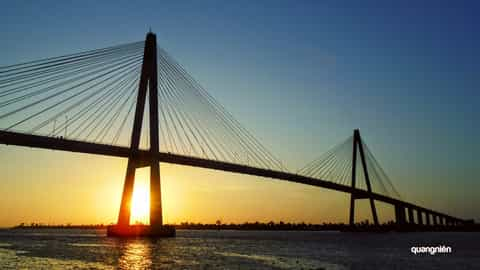
This page is an overview of the 18 cruise ports in Vietnam, covering river and ocean cruises. Cruises start and end at Da Nang, Nha Trang, Cái Bè. 54 cruise ships visit Vietnam across 18 ports. See live sailings and availability on the Vietnam cruises page.


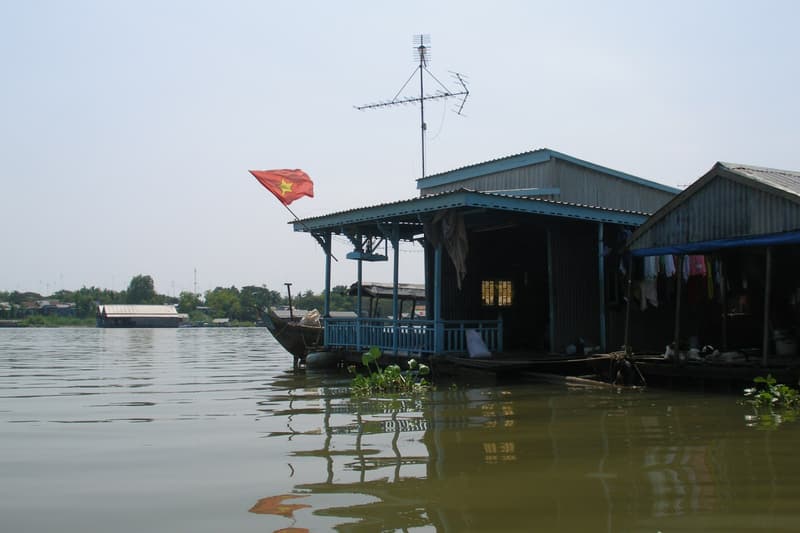
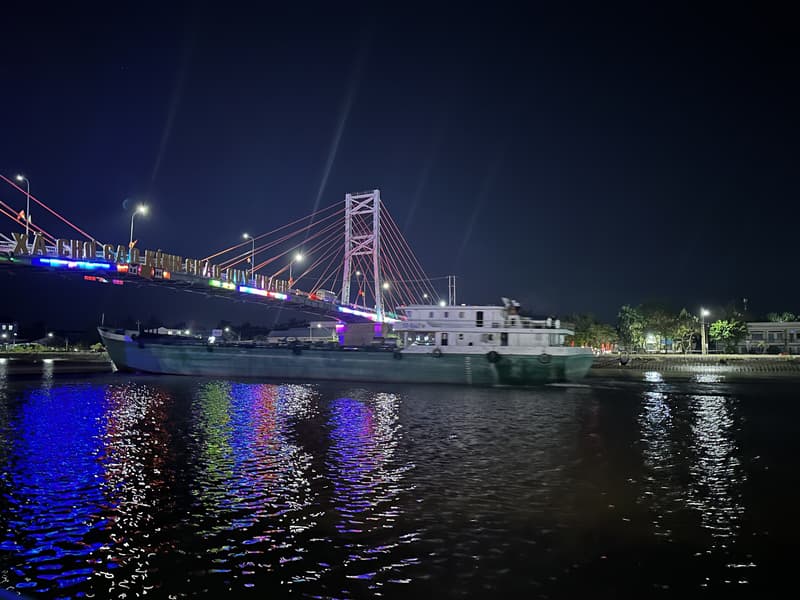
Vietnam offers a breathtaking tapestry of emerald rice terraces, ancient citadels, and vibrant waterways. For the milestone traveler, a cruise here—whether along the Mekong Delta or along the dramatic coastline—provides intimate access to a country of resilient spirit and profound beauty. Expect a blend of French colonial charm, imperial history, and a culinary scene that tantalizes every palate. This package is designed for the discerning American traveler seeking authenticity without the herd, with careful attention to pace, comfort, and cultural connection.
Country facts
History
Vietnam's history is a tapestry of indigenous kingdoms, Chinese domination (over a millennium), French colonization, and a modern era of revolutionary struggle and rapid development. The country is known for its resilience and cultural depth, shaped by Confucianism, Buddhism, and a strong sense of national identity.
Vietnam's modern history includes the difficult legacy of the American War, but the country has moved forward with a focus on reconciliation and economic progress. Many Vietnamese are keen to engage with American visitors in a spirit of shared humanity, but it's important to approach the topic with sensitivity and respect.
Culture
Vietnam's identity is a blend of indigenous traditions, Confucian ethics, and French colonial remnants, expressed in its food, architecture, and community life. Family and community are central, and the country takes pride in its cultural resilience.
Music: Traditional music includes đờn ca tài tử (southern folk music), quan họ (call-and-response singing), and imperial court music (nhã nhạc) from Hue. Contemporary Vietnamese pop mixes traditional instruments with modern beats.
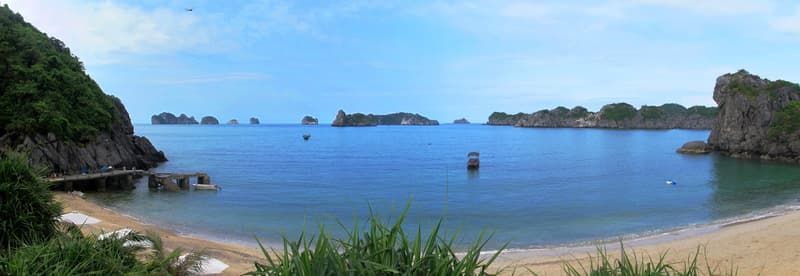
Signature landscape: Ha Long Bay - thousands of limestone karsts and islets rising from emerald waters, a UNESCO World Heritage site and a quintessential cruising destination.
Cuisine
- Pho - iconic noodle soup with beef or chicken, fragrant with star anise and ginger
- Banh mi - crusty baguette sandwich filled with pâté, pickled vegetables, and fresh herbs
- Goi cuon - fresh spring rolls with shrimp, pork, and herbs
- Bun cha - grilled pork with rice noodles and herbs, a Hanoi specialty
- Cao lầu - a Hoi An dish with thick noodles, pork, and crisp croutons
Architecture & heritage
- The Imperial City of Hue (UNESCO) - a vast complex of palaces and temples
- Hoi An Ancient Town - a remarkably preserved trading port with Chinese, Japanese, and French influences
- Hanoi's Old Quarter - narrow streets with colonial-era buildings and temples
- The Cu Chi Tunnels near Ho Chi Minh City - a vast underground network from the Vietnam War
- Mỹ Sơn Sanctuary - ancient Cham Hindu temples, another UNESCO site
Tips for American travellers
- Dress modestly when visiting temples and pagodas (cover shoulders and knees)
- Carry small denominations of Vietnamese đồng for local markets and tips
- Negotiating is common in markets, but remain respectful; a friendly smile goes a long way
- Drink bottled water only; be cautious with street food, but it's often safe and delicious—choose busy stalls
- Learn a few Vietnamese phrases like 'xin chào' (hello) and 'cảm ơn' (thank you)
Major cities & destinations
Hanoi Capital city
The 1,000-year-old capital blends French colonial charm with ancient pagodas and a vibrant Old Quarter. It's the gateway to Ha Long Bay and the Red River Delta.
Often the starting point for river cruises on the Red River (less common) or a pre/post-cruise extension. Many ocean cruises dock at nearby Halong or Cai Lan, with Hanoi as an excursion.
Ho Chi Minh Mausoleum and Museum One Pillar Pagoda Temple of Literature (Văn Miếu) Hoan Kiem Lake and Ngoc Son Temple Old Quarter's 36 streetsHo Chi Minh City (Saigon) Largest city
The economic powerhouse of Vietnam, a fast-paced metropolis with a rich history, French landmarks, and a dynamic culinary scene. Gateway to the Mekong Delta.
Major embarkation port for Mekong River cruises and a turnaround port for ocean cruises. Ships often dock at Phu My or in the city on the Saigon River.
War Remnants Museum (sensitive but essential) Notre-Dame Cathedral Basilica of Saigon Central Post Office (designed by Gustave Eiffel) Ben Thanh Market Cu Chi Tunnels (day trip)Hue Historic imperial city
The former imperial capital, a UNESCO site, offering the citadel, royal tombs, and a serene Perfume River. A glimpse into Vietnam's last dynasty.
A port of call on ocean cruises (at Chan May or Da Nang) and a stop on river cruises along the Perfume River. Known for its rich cultural heritage.
The Imperial City (Đại Nội) Thien Mu Pagoda Tomb of Emperor Khai Dinh Tomb of Emperor Minh Mang Dong Ba MarketDa Nang Coastal city
A modern, dynamic city with beautiful beaches (My Khe), the Marble Mountains, and proximity to Hoi An and Hue. A hub for central Vietnam.
A major port for ocean cruises (Tien Sa Port) and a convenient base for excursions to Hoi An, Hue, and the Marble Mountains. Also served by river cruises on the Han River.
Marble Mountains (Ngu Hanh Son) My Khe Beach Son Tra Peninsula and Linh Ung Pagoda (with Lady Buddha) Dragon Bridge (Cau Rong) Ba Na Hills (with Golden Bridge)Hoi An Ancient town (UNESCO)
A well-preserved trading port with a unique blend of Vietnamese, Chinese, Japanese, and French architecture. Atmospheric lantern-lit streets and a foodie paradise.
Often a tender port or excursion from Da Nang. Some river cruises stop along the Thu Bon River. The town's romantic ambiance makes it a highlight.
Japanese Covered Bridge Phuc Kien Assembly Hall Tan Ky Old House Central Market Tra Que Vegetable VillageHa Long Bay Natural wonder (UNESCO)
A surreal seascape of thousands of limestone islands, grottoes, and floating villages. A must-see for any Vietnam itinerary.
The premier cruise destination, whether on an overnight junk boat or as a port of call for ocean cruises. Many river cruises offer excursions here.
Sung Sot Cave (Surprise Cave) Ti Top Island (viewpoint and beach) Luon Cave (kayaking) Floating fishing villages Dau Go CaveNha Trang Beach resort city
Vietnam's most famous beach destination, with turquoise waters, islands, and a vibrant coral reef. Offers excellent water sports and relaxation.
A port of call for ocean cruises, docking at Nha Trang port. Known for its beautiful coastline and nearby islands.
Nha Trang Beach Po Nagar Cham Towers Long Son Pagoda Vinpearl Island (amusement park and cable car) Hon Mun Island (marine park)Phu Quoc Island
Vietnam's largest island, known for pristine beaches, tropical forests, and a pepper plantation. A new hotspot for luxury resorts and cruises.
Emerging as a port for ocean cruises, with Phu Quoc International Port. Offers a laid-back island vibe.
Sao Beach (Bai Sao) Phu Quoc National Park Dinh Cau Temple (Night Market) Coconut Prison (historical site) Ham Ninh Fishing VillageCruise ports of call
Vietnam's cruise ports are concentrated along the eastern coast (for ocean cruises) and in the Mekong Delta (for river cruises). The two main cruise seasons are from November to April (dry season) and May to October (rainy season), though cruising is possible year-round with some itineraries adjusting for weather. Ports range from large commercial harbors like Phu My (near Ho Chi Minh City) to scenic anchorages like Ha Long Bay.
- Ocean cruises along the Vietnamese coast, often as part of a Southeast Asia itinerary connecting Singapore, Thailand, Cambodia, and Vietnam. These stop at major ports like Ho Chi Minh City, Nha Trang, Da Nang, and Ha Long Bay.
- Mekong River cruises between Vietnam and Cambodia, traveling between Ho Chi Minh City (or My Tho) and Phnom Penh/Siem Reap. These focus on rural life, floating markets, and historic towns along the river.
Ha Long Bay (Cai Lan or Tuan Chau) Ocean cruises (scenic), plus local cruise ships for bay exploration
Ships often anchor in the bay and tender passengers ashore, or dock at Cai Lan Port near Ha Long City. The bay itself is the destination, with karst formations and caves.
Best for: Scenic sailing, kayaking, cave exploration, overnight cruises on traditional junks
Operators: Celebrity Cruises, Royal Caribbean, Princess Cruises, Holland America Line
Chan May (near Da Nang and Hue) Ocean cruises (central Vietnam)
Chan May port serves as the gateway to Hue (to the north) and Da Nang/Hoi An (to the south). It is a purpose-built cruise terminal with good infrastructure.
Best for: Excursions to Hue's imperial city, Da Nang's beaches, and Hoi An's ancient town
Operators: Celebrity Cruises, Norwegian Cruise Line, Oceania Cruises, Regent Seven Seas Cruises
Tien Sa Port (Da Nang) Ocean cruises (central Vietnam)
Located at the foot of the Son Tra Peninsula, this port is within a short drive of Da Nang city center and Hoi An. It has modern facilities.
Best for: Independent exploration of Da Nang, quick access to Hoi An, and beach activities
Operators: Carnival Corporation (various brands), Silversea Cruises, Seabourn, Azamara
Phu My (near Ho Chi Minh City) Ocean cruises (southern Vietnam)
Phu My is the main cruise port for Saigon, located about 80 km southeast of Ho Chi Minh City. The port is industrial, but excursions provide seamless access to the city and Mekong Delta.
Best for: Excursions to Ho Chi Minh City (1.5 hours away), Cu Chi Tunnels, and Mekong Delta day trips
Operators: Celebrity Cruises, Royal Caribbean, Princess Cruises, Oceania Cruises
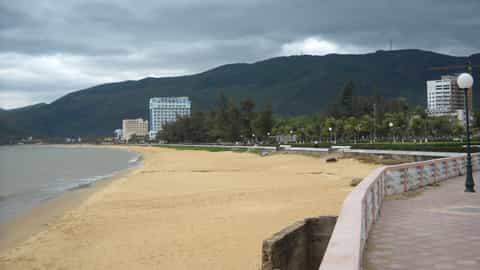
Nha Trang Port Ocean cruises (southern central coast)
The port is in the center of Nha Trang, allowing easy access to beaches and city attractions. It's a tender port or small ship dock.
Best for: Beach relaxation, island hopping, and visiting Cham towers
Operators: Costa Cruises, MSC Cruises, Azamara, Silversea
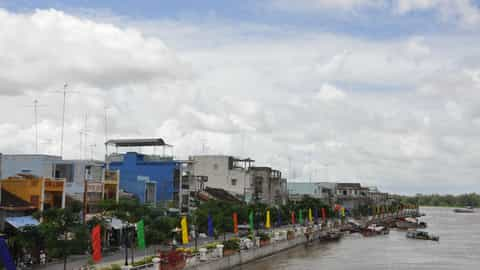
Cai Be (Mekong River) Mekong River cruises
A charming town in the Mekong Delta, known for its floating market and traditional houses. Often a stop on Mekong river cruises between My Tho and Can Tho.
Best for: Experiencing the Mekong Delta's rural life, floating markets, and local craftsmanship
Operators: Viking Mekong, Avalon Waterways, Uniworld Boutique River Cruise Collection, Emerald Waterways
My Tho (Mekong River) Mekong River cruises and ocean cruise excursions
My Tho is the closest Mekong Delta town to Ho Chi Minh City, often used as an excursion point for ocean cruises or as a start for river cruises.
Best for: Day trips to the Delta, boat rides on the Tien River, and visiting Thoi Son Island
Operators: Viking Mekong, Avalon Waterways, Uniworld, Emerald Waterways
Can Tho (Mekong River) Mekong River cruises
The largest city in the Mekong Delta, known for its floating markets, especially Cai Rang, and the beautiful Ninh Kieu Wharf.
Best for: Visiting the largest floating market in Vietnam, exploring the delta's labyrinthine waterways
Operators: Viking Mekong, Avalon Waterways, Uniworld, Emerald Waterways
In addition to the above, some ocean cruises may also call at Da Nang (already covered), and occasionally at Phan Thiet (for Mui Ne) or Vung Tau. For river cruises, smaller ports like Tan Chau, Sa Dec, and Hong Ngu are also used, but the ones listed are the most common. Always confirm port schedules with your cruise line.
All cruise ports in Vietnam
Ships visiting by type: 38 ocean 15 river 2 expedition
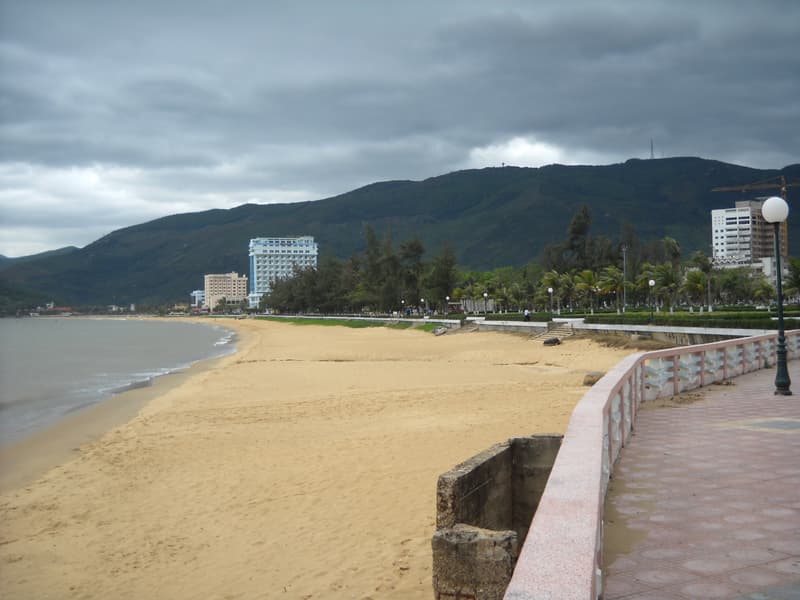
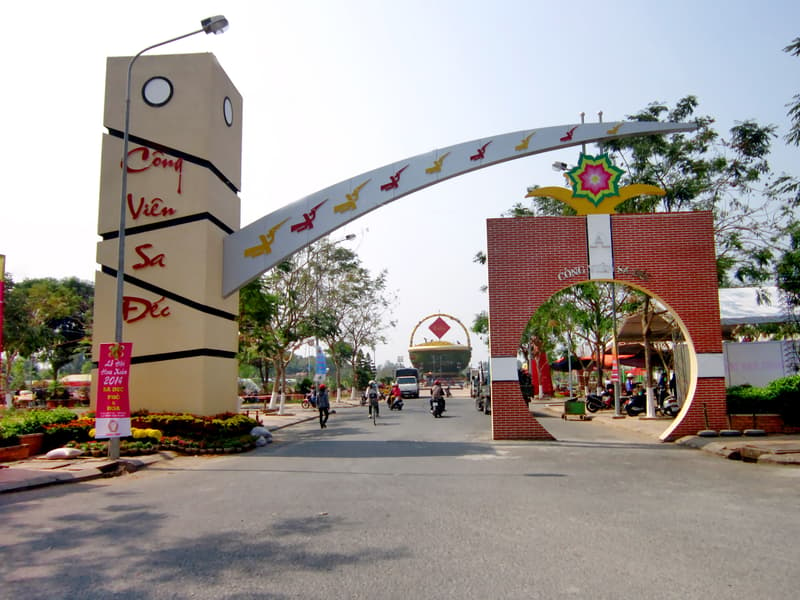
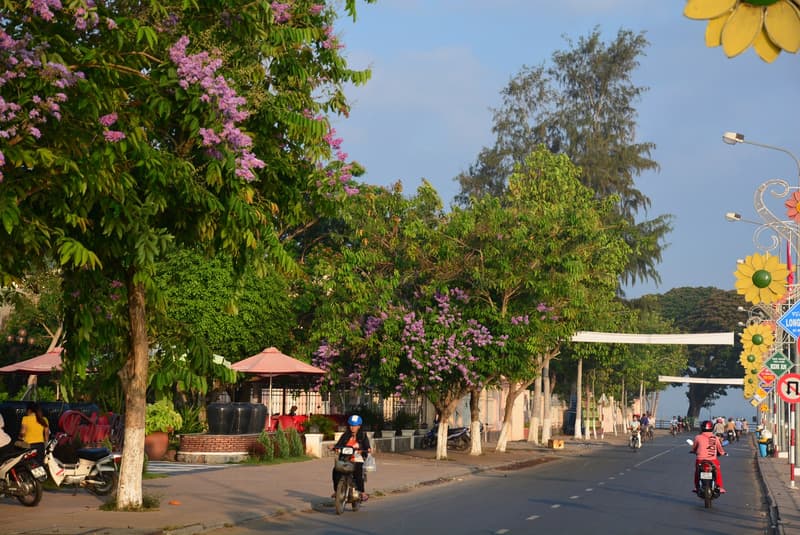
Showing 18 ports in Vietnam













River cruises & routes
Vietnam's river cruising is dominated by the Mekong River, which flows from China through Laos, Thailand, Cambodia, and into Vietnam, splitting into the Nine Dragon branches before emptying into the South China Sea. The Vietnamese section of the Mekong offers a serene journey through lush delta landscapes, floating markets, and timeless villages. River cruises typically operate between Ho Chi Minh City (via My Tho) and Phnom Penh or Siem Reap in Cambodia, with itineraries ranging from 7 to 14 days.
| Route | Length | Countries | Highlights |
|---|---|---|---|
| Mekong River: Ho Chi Minh City (My Tho) to Phnom Penh (Cambodia) | 7-8 days | Vietnam, Cambodia | Visit My Tho's floating markets, Cai Be's orchards, Can Tho's Cai Rang market, then cross the border to Phnom Penh, with optional extension to Angkor Wat. |
| Mekong River: Siem Reap (Cambodia) to Ho Chi Minh City (Vietnam) | 10-14 days | Cambodia, Vietnam | Start with Angkor Wat, cruise down the Tonle Sap Lake, explore Phnom Penh, then enter Vietnam for delta villages, markets, and the Saigon River to HCMC. |
| Red River: Hanoi to Ha Long Bay (possible future) | Proposed 5-7 days | Vietnam | While less common, some operators are exploring cruises from Hanoi along the Red River to Ha Long Bay, passing through rice paddies and traditional villages. |
Season: The Mekong River cruises operate year-round, but the best time is from November to February when the weather is dry and cooler. The rainy season (June to September) brings higher water levels, which can make some channels impassable but also offers lush scenery. Most lines schedule cruises from September to April.
Cruise lines visiting Vietnam
Vietnam is served by a mix of international ocean cruise lines, which include it in Asian or world itineraries, and specialized river cruise lines focusing on the Mekong. Ocean lines typically stop at several Vietnamese ports as part of a longer Southeast Asia voyage, while river lines offer dedicated Mekong itineraries.
Viking Cruises
Mekong River cruises between Ho Chi Minh City and Siem Reap, often with 7-14 day itineraries.
Ships: Viking Mekong
Avalon Waterways
Mekong River cruises with packages combining Vietnam and Cambodia.
Ships: Avalon Saigon, Avalon Siem Reap
Uniworld Boutique River Cruise Collection
Mekong River cruises with a focus on luxury and all-inclusive experience.
Ships: S.S. Bon Voyage
Emerald Waterways
Mekong River cruises with a mix of Vietnam and Cambodia.
Ships: Emerald Harmony
Celebrity Cruises
Ocean cruises through Southeast Asia, with stops in Ha Long Bay, Chan May, Phu My, and sometimes Nha Trang.
Ships: Celebrity Solstice, Celebrity Millennium
Royal Caribbean International
Various Asian itineraries, often including Ha Long Bay and Ho Chi Minh City.
Ships: Spectrum of the Seas, Ovation of the Seas
Princess Cruises
World cruises and Asia itineraries, with stops in Vietnam.
Ships: Coral Princess, Diamond Princess
Holland America Line
Southeast Asia cruises, typically calling at Ha Long Bay and Da Nang.
Ships: Westerdam, Oosterdam
Oceania Cruises
Luxury ocean cruises with multiple Vietnamese ports, including Phu My and Nha Trang.
Ships: Riviera, Sirena
Silversea Cruises
Ultra-luxury expeditions and classic cruises, often including Vietnam on world voyages.
Ships: Silver Shadow, Silver Muse
The river cruise market on the Mekong is dominated by Viking, Avalon, Uniworld, and Emerald Waterways, with all providing essentially similar itineraries but different luxury levels. For ocean cruising, major lines include Celebrity, Royal Caribbean, Princess, and Holland America. Small-ship lines like Oceania and Silversea offer a more intimate experience, often with overnights in ports like Hoi An or Ha Long Bay.
Planning & advice
Vietnam offers a perfect blend of cultural richness, natural beauty, and gentle exploration, ideal for the milestone traveler. The country's friendly people, delicious cuisine, and manageable size make it easy to navigate. Cruising along the Mekong or coast provides comfort and convenience, while still offering authentic experiences. Vietnam's history is a poignant reminder of human resilience, and its modern vibrancy is inspiring. For the American traveler, it's a journey of a lifetime.
For the American traveller
- Visa: U.S. citizens need a visa for Vietnam. Obtain an e-visa online (valid for 90 days, single entry) or through a travel agency. Cruise passengers may be covered by a visa waiver if arriving by sea, but verify with the cruise line.
- Health: Recommended vaccines include hepatitis A, typhoid, and tetanus. Consider malaria prophylaxis if traveling to remote areas. Tap water is not safe; use bottled water.
- Safety: Vietnam is generally safe for tourists, but be vigilant in crowded areas for pickpocketing. Traffic is chaotic; always cross streets carefully.
- Currency: Vietnamese đồng (VND) is the official currency. Credit cards accepted in major hotels and restaurants, but cash is needed for local markets. U.S. dollars are widely accepted in tourist spots.
- Language: English is not widely spoken outside tourist areas, but basic phrases are useful. Download a translation app.
- Culture: Be respectful when visiting temples; remove shoes and dress conservatively. Negotiating is common but do so politely.
- Time: The pace of life is slower in rural areas. Allow for travel delays and enjoy the journey.
- Climate: Tropical monsoon; pack light, breathable clothing, but also a light jacket for air-conditioned places. Rain showers can be sudden.
Excursion planning
- Book excursions through the cruise line for convenience, but for a more personalized experience, consider private tours with licensed guides, especially for smaller groups.
- Plan for the heat: start tours early in the morning, carry water, and take breaks in air-conditioned spaces.
- For Ha Long Bay, choose an overnight cruise if possible to avoid crowds and enjoy sunrise.
- In Ho Chi Minh City, the Cu Chi Tunnels are a must-see but can be emotionally heavy; pair with a visit to the War Remnants Museum for context.
- For Hoi An, consider an evening visit to see the lanterns lit up; book a private guide to avoid tourist hordes.
- When in the Mekong Delta, try to include a homestay or local family visit to experience authentic culture.
The verdict
Vietnam is a must-visit destination for the discerning traveler seeking a blend of history, culture, and breathtaking scenery. Whether exploring the emerald waters of Ha Long Bay, the ancient streets of Hoi An, or the floating markets of the Mekong, Vietnam captivates and rewards. With a variety of cruise options, from intimate riverboats to luxury ocean liners, there's a perfect way to experience this dynamic country. Recommend combining a land tour with a cruise for a comprehensive journey.
Sources
- CIA World Factbook — Vietnam (accessed 2026-09-09)
- Lonely Planet — Vietnam travel (accessed 2026-09-09)
- Vietnam National Administration of Tourism — Official Tourism Website (accessed 2026-09-09)
- Cruise Critic — Vietnam Cruise Reviews (accessed 2026-09-09)
- Wikipedia — Vietnam (accessed 2026-09-09)