Tân Châu Cruise Port
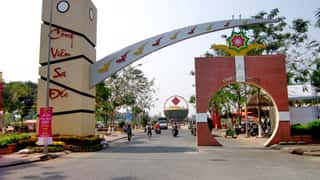
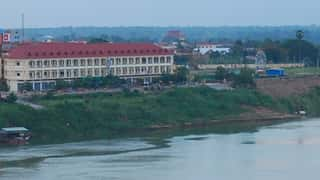
Tân Châu is a border district where Mekong River cruise ships typically anchor, requiring a 10-minute local sampan transfer to reach the town pier. Located in the An Giang province of southern Vietnam, this rural destination sits directly on the Tiền River branch of the Mekong River. It is worth knowing that this is one of the most authentic stops on the river, yet its infrastructure is intentionally minimal. You are roughly 20 km (12 miles) from the bustling border city of Châu Đốc, a 45-minute boat journey away, and about 190 km (118 miles) southwest of Ho Chi Minh City. This is a dedicated river cruise port that rewards those who appreciate slow-motion rural life and punishes anyone expecting paved sidewalks or modern air-conditioned terminals. According to local tourism data, the humidity here averages 80% year-round, which dictates the pace of every excursion. The consistent feedback from visitors is that the 'xe loi' (bicycle sidecar) rides are the best way to navigate the flat but dusty terrain. This destination rewards curiosity about local craftsmanship but punishes travelers who are uncomfortable with small boat transfers or rustic sanitary conditions.
Tân Châu River Pier

Tân Châu, Vietnam Port
An Giang Port of call
Tân Châu Cruise Port Location
| Port Details | |
|---|---|
| Country | Vietnam |
| Region | An Giang |
| Contact | |
| Address | Phường Long Thạnh, Thị xã Tân Châu, An Giang, Vietnam |
| Port phone | +84 296 382 3222 |
| Website | angiangtourist.vn |
| Geography | |
| Coordinates | 10.79832, 105.23887 |
| Accessibility | |
| Accessible | Limited |
Tân Châu is a border district where Mekong River cruise ships typically anchor, requiring a 10-minute local sampan transfer to reach the town pier. Located in the An Giang province of southern Vietnam, this rural destination sits directly on the Tiền River branch of the Mekong River. It is worth knowing that this is one of the most authentic stops on the river, yet its infrastructure is intentionally minimal. You are roughly 20 km (12 miles) from the bustling border city of Châu Đốc, a 45-minute boat journey away, and about 190 km (118 miles) southwest of Ho Chi Minh City. This is a dedicated river cruise port that rewards those who appreciate slow-motion rural life and punishes anyone expecting paved sidewalks or modern air-conditioned terminals. According to local tourism data, the humidity here averages 80% year-round, which dictates the pace of every excursion. The consistent feedback from visitors is that the 'xe loi' (bicycle sidecar) rides are the best way to navigate the flat but dusty terrain. This destination rewards curiosity about local craftsmanship but punishes travelers who are uncomfortable with small boat transfers or rustic sanitary conditions.
Tân Châu — Port Overview
History
Tân Châu was formally established in 1757 during the expansion of the Nguyen Dynasty into the Mekong Delta. Strategically located near the Cambodian border, it flourished as a silk weaving center due to the abundance of mulberry trees and the specialized knowledge of the local Cham and Vietnamese populations. The city's 'Lãnh Mỹ A' silk—a unique black fabric dyed with the fruit of the Mac Nua tree—became a symbol of Mekong wealth in the 19th and early 20th centuries. During the colonial era, the French utilized the Tiền River for rubber and rice transport, though Tân Châu remained a primarily agricultural and artisanal hub. The 1970s and 80s saw a decline in traditional silk production due to the introduction of synthetic fibers, but a recent revival has restored its prominence. Today, when you walk through the silk villages, you see the same wooden looms that have been in operation for generations, directly connecting the modern traveler to the town's pre-industrial golden age. The fusion of Vietnamese, Khmer, and Cham cultures is visible in the architecture of the local pagodas and the specific layout of the riverfront markets.
The Verdict
Travelers who benefit most from Tân Châu are the ones who arrive with a plan and the flexibility to adapt to the Mekong's rhythm. This guide has been fact-checked by J. Richard and the Waterways Cruise editorial team. Excursions that guarantee a return to the ship can be tailored to your mobility, interests, and pace, so missing departure is never a concern. No two travelers want the same day ashore, especially in a place as unique as the Mekong.
Things to Do & See in Tân Châu
| Attraction | Type | Address | Hours | Website | Admission |
|---|---|---|---|---|---|
| Lãnh Mỹ A Silk Workshops | Cultural Site | Long Thanh A, Tan Chau District, An Giang | Daily 8:00 AM – 5:00 PM | Not available | Free |
| Tân Châu Cao Dai Temple | Cultural Site | Tran Hung Dao Street, Tan Chau Town | Daily 6:00 AM – 6:00 PM (Ceremonies at 6:00 AM, 12:00 PM, 6:00 PM) | Not available | Free |
| Tân Châu Market | Tourist Attraction | Town Center, Tan Chau | 6:00 AM – 6:00 PM | Not available | Free |
| Floating Fish Farms | Tourist Attraction | Mekong River Anchorage, Tan Chau | Sunrise to Sunset | Not available | Free |
| Evergreen Island Cham Village | Cultural Site | Tan Chau Island, An Giang | Daylight hours | Not available | Free |
Lãnh Mỹ A Silk Workshops · Cultural Site
FreeThis is the only place in the world producing Lãnh Mỹ A silk, often called the 'Queen of Silk.' The process is fascinating: the silk is dyed up to 100 times with the natural extract of the Mac Nua fruit, then beaten with wooden hammers to create a metallic, leather-like sheen. When you stand in the sheds, the rhythmic thud of the looms is the only sound you hear. It is an immersive sensory experience that has remained unchanged for centuries. You will notice that the best way to experience this is to watch a weaver for at least 10 minutes; the complexity of their footwork on the treadles is staggering. Most visitors just take a photo and leave—don't be one of them. Take a moment to feel the weight of the raw silk before it is dyed. It is surprisingly heavy and cool to the touch. This experience delivers a deep connection to the pre-industrial Mekong, showing a level of craftsmanship that is rapidly disappearing elsewhere in Asia.
Long Thanh A, Tan Chau District, An Giang ·Daily 8:00 AM – 5:00 PM ·Not available
Tân Châu Cao Dai Temple · Cultural Site
FreeCao Dai is a fascinating indigenous Vietnamese religion that fuses elements of Buddhism, Taoism, Confucianism, and even Christianity. The temple in Tân Châu is a riot of color—technicolor dragons wrap around pillars and the bright blue ceiling represents the heavens. It is a peaceful sanctuary from the chaos of the nearby market. Unlike the massive Great Temple in Tay Ninh, this local branch feels intimate and personal. Keep in mind that the local congregation is very welcoming, provided you dress modestly. Observe the hierarchy of the worshippers, identified by the colors of their robes: yellow for Buddhism, blue for Taoism, and red for Confucianism. This site delivers a profound insight into the spiritual melting pot of the Mekong Delta, a place where varied beliefs live in vibrant harmony.
Tran Hung Dao Street, Tan Chau Town ·Daily 6:00 AM – 6:00 PM (Ceremonies at 6:00 AM, 12:00 PM, 6:00 PM) ·Not available
Tân Châu Market · Tourist Attraction
FreeThis is a quintessential Mekong River wet market. You will see everything from live eels and giant river catfish to mounds of dragon fruit and rambutan. It is a place of intense commerce where the locals shop daily. The energy is infectious, and the lack of tourist-oriented stalls makes it feel genuine. It is best to head to the clothing section to see the local 'Ao Ba Ba' (traditional silk pajamas) being sold by the stack. This market is where you truly understand the abundance of the Mekong River—the sheer variety of produce is a testament to the delta's fertility. It delivers a raw, unedited look at Vietnamese daily life that you simply won't find in the more developed cruise ports.
Town Center, Tan Chau ·6:00 AM – 6:00 PM ·Not available
Floating Fish Farms · Tourist Attraction
FreeTân Châu is one of the world's leading producers of Basa fish, and the river is dotted with these floating communities. Each 'house' is actually a sophisticated fish farm with large submerged cages. When the owners throw in the feed, the water literally erupts—a sight you won't soon forget. It’s an incredible example of how the people of the Mekong River have adapted their lives to the water. Travelers consistently report that seeing the living quarters inside these floating homes is a highlight, revealing a surprising degree of comfort and modern amenity, including satellite TVs powered by generators. This site delivers a powerful lesson in human ingenuity and the economic engine of the delta.
Mekong River Anchorage, Tan Chau ·Sunrise to Sunset ·Not available
Evergreen Island Cham Village · Cultural Site
FreeThe Cham people are a distinct ethnic minority in Vietnam, and their villages on the islands near Tân Châu offer a sharp contrast to the Vietnamese town. They are predominantly Muslim, and their architecture features beautiful white and green mosques. The pace of life here is incredibly slow. You'll see women weaving on traditional looms and children playing by the water. It feels like a different country entirely. It is well established that visiting during a call to prayer provides a hauntingly beautiful soundtrack to your visit. This site delivers a unique multicultural perspective of the Mekong, proving that the river is not just a Vietnamese waterway, but a corridor of diverse civilizations.
Tan Chau Island, An Giang ·Daylight hours ·Not available
Eating & Drinking in Tân Châu
The culinary identity of Tân Châu is defined by the Mekong River and the An Giang province's border with Cambodia. The signature dish is 'Bún Cá' (fish noodle soup), which uses turmeric and 'mắm bò hóc' (a Khmer-style fermented fish paste) to create a flavor profile that is earthier and more pungent than the noodle soups of Saigon. You will find that the use of 'Điên điển' flowers—small yellow blossoms that grow along the river—is a unique seasonal touch you must try. For drinks, the local palm juice from the sugar palms (Thốt nốt) is the specialty; it is sweet, nutty, and slightly smoky. Unlike in the city, the 'street food' here is often just a family's front porch. One honest note: travelers expect a wide variety of Vietnamese food like Phở or Bún Chả here, but those are Northern dishes. In Tân Châu, it's all about river fish, fermented pastes, and freshwater herbs. For the genuine version, look for the stalls that have large earthenware jars out front—that’s where the best fermented ingredients are kept.
| Place | Address | Phone | Hours | Price range |
|---|---|---|---|---|
| Bún Cá Cô Tiên | Near Tan Chau Market, Tran Hung Dao Street | 6:00 AM – 10:00 AM (Breakfast only) | 40,000 VND (~$1.50 USD) | |
| Quán Ăn Sông Tiền | Ton Duc Thang Street, Tan Chau | +84 296 353 1212 | 10:00 AM – 9:00 PM | 200,000 VND (~$7.50 USD) |
| Riverside Coffee Stand | Directly adjacent to the Tan Chau Pier | 6:00 AM – 8:00 PM | 20,000 VND (~$0.75 USD) |
Bún Cá Cô Tiên
40,000 VND (~$1.50 USD)This is the definitive Tân Châu breakfast. The broth is a vibrant yellow from fresh turmeric and the fish is pulled straight from the river. It’s served with a mountain of fresh herbs and banana blossoms. One honest limitation: the seating is on small plastic stools on the sidewalk. It’s not for those seeking comfort, but for those seeking the soul of Mekong cooking, it’s unbeatable.
Near Tan Chau Market, Tran Hung Dao Street ·6:00 AM – 10:00 AM (Breakfast only)
Quán Ăn Sông Tiền
200,000 VND (~$7.50 USD)If you want to try the famous Mekong 'Lẩu mắm' in a semi-civilized setting, this is it. The restaurant is open-air and catches the river breeze. The hot pot is packed with river fish, shrimp, and at least 10 different types of local vegetables. It’s a bold, pungent flavor that defines the region. One honest limitation: the service can be slow during peak hours.
Ton Duc Thang Street, Tan Chau ·+84 296 353 1212 ·10:00 AM – 9:00 PM
Riverside Coffee Stand
20,000 VND (~$0.75 USD)This isn't a bar; it's a quintessential Vietnamese coffee stand. The coffee is strong enough to power a small engine, sweetened with thick condensed milk. It's the perfect place to sit and watch the river traffic while waiting for your sampan. The 'vibe' is purely local—old men playing chess and boat pilots catching a break.
Directly adjacent to the Tan Chau Pier ·6:00 AM – 8:00 PM
Getting There & Around
The primary way to move around Tân Châu is by 'xe loi' (a bicycle or motorbike with a passenger sidecar). The trip from the pier to the silk village takes about 15 minutes, costing approximately 50,000 VND (~$2.00 USD) for two people. You must negotiate the price before sitting down. Walking is feasible within the Town Center market area, but the tropical heat makes long-distance walking ill-advised. Uber and Grab do not operate here; this is a rural zone where local arrangements dominate. Bike rentals are available at some local cafes for roughly 100,000 VND (~$4.00 USD) per day, but the traffic near the market is chaotic for inexperienced riders. One navigation tip: the streets are not always labeled; use the Mekong River as your constant western landmark to stay oriented. If you lose your way, simply say 'Tau du lich' (tourist ship) to any xe loi driver, and they will bring you back to the pier.
Itineraries & Sample Walks
4-Hour Shore Excursion in Tân Châu
Long Thạnh A Silk Village
8:30 AM (90 min)
Witness the entire silk process from Mac Nua fruit dyeing to the weaving of Lãnh Mỹ A silk. You can touch the fabrics and see the massive wooden looms in action. Most visitors miss the drying fields where the silk is laid out on the grass to bake in the sun.
- Xe loi ride from the pier. (50,000 VND (~$2.00 USD))
- Entry: Free (Free)
- Buy a small silk scarf here directly from the weaver; it’s significantly cheaper than in the town market.
Tân Châu Local Market
10:15 AM (60 min)
A chaotic and colorful wet market. Explore the exotic fruit section and the stalls selling local 'mam' (fermented fish). Watch for the specific weaving of reed mats in the corner of the market.
- Walk or short xe loi ride. (20,000 VND (~$0.75 USD))
- Entry: Free (Free)
- Try the 'Thot Not' (palm sugar) juice from a street vendor; it’s incredibly refreshing and authentic to An Giang.
Lunch Recommendation
Quán Ăn Sông Tiền
This is where the local businessmen and district officials eat. It overlooks the river and serves the most authentic 'Lẩu mắm' in the region, far better than the sanitized versions in Ho Chi Minh City.
Order: Lẩu mắm (Fermented fish hot pot), Bún cá Tân Châu (Local fish noodle soup)
Ton Duc Thang, Tan Chau, Vietnam
Cost: 250,000 VND (~$9.50 USD)
8-Hour Full Day Experience in Tân Châu
Floating Fish Farms
8:30 AM (60 min)
Board a floating house and see thousands of Basa fish being fed. It’s a sensory experience—the sound of the water and the sheer volume of fish is startling. Most guides don't mention that families live full-time on these rafts.
- Sampan from the ship. (Included in cruise)
- Entry: Free (Free)
- Ask to see the trapdoors under the living room floor; that's where the fish are kept.
Long Thạnh A Silk Village
9:45 AM (90 min)
Observe the meticulous dyeing process. The Mac Nua fruit produces a natural black lacquer that is unique to this region.
- Xe loi from pier. (50,000 VND (~$2.00 USD))
- Entry: Free (Free)
- Look for the weavers who are using the jacquard looms; they create the most intricate patterns.
Evergreen Island (Cồn Én)
11:30 AM (120 min)
Walk through the rural farm plots. This is true subsistence farming. You will see chili, corn, and tobacco growing side-by-side. Most visitors walk past the mat-weaving houses—be sure to peek inside.
- Sampan transfer. (100,000 VND (~$4.00 USD))
- Entry: Free (Free)
- The island has no motorized vehicles; enjoy the rare silence of the Mekong Delta.
Getting back to the ship
The latest safe departure time from the Tân Châu town center is 60 minutes before your ship's scheduled all-aboard. Because you must rely on a sampan transfer, you need a larger buffer than a standard pier. The return trip (xe loi from village + sampan wait) takes about 35 minutes. A return xe loi should cost 30,000 VND (~$1.15 USD). If you are running late, contact the port agent number provided on your daily ship program; however, because river cruise ships often anchor in the stream, they have limited flexibility to hold for late passengers. Missing the ship in Tân Châu means a 4-hour road journey to the next possible intercept point in Sa Dec or even crossing the border to Phnom Penh, which involves significant visa complications. It is advisable to be at the sampan landing 30 minutes before all-aboard.
Weather & Best Time to Visit Tân Châu
Weather & What to Pack
Cruise season: Year-round, with peak season from October to March.
25°C–34°C (77°F–93°F). Humidity is consistently high (75–85%). Rainfall is frequent and intense from May to October.
What to wear: Lightweight, breathable linen or moisture-wicking fabrics are essential. A wide-brimmed hat and polarized sunglasses protect against the intense river glare. Sturdy walking sandals or breathable sneakers are recommended; avoid heavy boots. While not strictly required, a light scarf can protect from dust during xe loi rides. Sun protection (SPF 50+) is non-negotiable as the sun reflects intensely off the Mekong River.
Weather risks: Sudden afternoon thunderstorms in the wet season can delay sampan transfers by 30–60 minutes. High heat indices often exceed 40°C (104°F) in April and May.
The 'Dry Season' from January to March offers the most comfortable humidity levels for exploring the silk villages.
| Season | Conditions | Hazards | Affected areas | Visitor advice |
|---|---|---|---|---|
| Wet Season (May–October) | Heavy afternoon downpours and high river levels. | The sampan landing ramps at the Mekong River pier become extremely slippery and steep. Unpaved paths in the silk villages turn into thick mud. | Riverfront pier, Long Thạnh A village paths, and Evergreen Island trails. | Wear closed-toe shoes with significant grip. Avoid flip-flops as they provide zero traction on wet river ramps. Plan all walking for the morning. |
| Dry Season (November–April) | High temperatures and intense sun with little cloud cover. | Dust levels on the unpaved roads can cause respiratory irritation. Exposed sampan rides create a high risk of heatstroke. | Main market roads and the open-air sampan transfer routes. | Wear a wide-brimmed hat and use the provided umbrellas on sampans. Stay hydrated with bottled water; the heat here is deceptively draining. |
Practical Information
Cultural etiquette
In Tân Châu, a polite nod and a smile are the standard greetings. Handshakes are common with men, but a slight bow is more respectful for elders. When dining, wait for the eldest at the table to take the first bite. It is customary to use both hands when giving or receiving something, especially money. Photography is generally welcomed, but always ask 'Xin chup anh?' before taking a portrait of a weaver or a monk. One strict photography rule: never photograph military or border police near the riverbanks. Tipping is not a deeply rooted Vietnamese tradition, but for a 40-minute xe loi ride, rounding up by 10,000–20,000 VND is appreciated. For guides, $5–$10 USD per person for a full day is a generous standard. One common cultural misunderstanding: cruise passengers often try to 'help' by handing out candy or pens to local children in the villages. It is advised against giving money directly to beggars, and instead, donations can be made to the local school or temple if one wishes to give back. Finally, remember that Tân Châu is a conservative rural area—cover your shoulders and knees, especially when visiting the Cao Dai or Cham mosques.
Mistakes to Avoid
| Mistake |
|---|
Mistaking high-quality Lãnh Mỹ A silk for cheap polyester. |
Trying to walk between the silk village and the town center in the midday heat. |
Wearing flip-flops for the sampan transfer. |
Bringing only large VND bills (500,000 VND) to the market. |
Practical tips
Tân Châu is a cash-only destination. While some larger silk workshops might take a credit card with a 3% surcharge, the market, xe loi drivers, and local cafes require Vietnamese Dong (VND). Visitors should carry at least 1,000,000 VND (~$38.00 USD) in small bills for a day's exploration. Five essential phrases: 'Xin Chào' (Hello), 'Cảm ơn' (Thank you), 'Bao nhiêu?' (How much?), 'Đắt quá' (Too expensive—use with a smile), and 'Cơm' (Rice/Food). A common scam involves xe loi drivers quoting a price for the 'ride' but then demanding it 'per person' at the end; always clarify 'total for all' before starting. Dress code for temples requires covering shoulders and knees—a light pashmina is a perfect travel companion here. The best time to visit the silk village is 8:30 AM to beat both the heat and the larger cruise excursions. Always use bottled water for tooth brushing; the Mekong River water is for irrigation and transport, not for ingestion.
Cruise Lines Visiting Tân Châu
Port of Call




Why Book With Waterways Cruise?
Four decades of expertise, one dedicated advisor, and every detail handled, from your front door to the gangway and back.
Personal Service — Your Own Cruise Concierge
Tailor-Made — 100% Custom-Built
Expertise — 40+ Years in Travel
Price Watch — Book With Total Confidence
Signature Sailings
All Cruise Lines at Tân Châu (A–Z)
Nearby Ports






FAQ — Tân Châu
Do I need a Cambodian visa to visit Tân Châu?
No, Tân Châu is in Vietnam. However, because most cruises here are trans-border, your ship will handle the manifest for the Cambodian border crossing (usually 4 hours upstream). Ensure your Vietnam visa is valid for this specific entry. For guaranteed smooth border logistics, book.
Is the Mac Nua fruit dye permanent on clothes?
Yes. Once the Lãnh Mỹ A silk has been cured and dried, the black lacquer is incredibly durable and won't bleed. However, do not wash it with harsh detergents or in hot water; hand wash only with mild soap to maintain the sheen.
Are there mosquitoes in the silk villages?
Yes, especially in the shaded weaving sheds and near the riverbanks. It is worth noting that the 'peak' mosquito time is before 9:00 AM and after 4:00 PM. Apply a DEET-based repellent before leaving the ship and wear light, long-sleeved clothing.
Can I buy the Mac Nua fruit as a souvenir?
It is not recommended. The fruit is highly staining—one crushed fruit can ruin your luggage and clothes with permanent black dye. It is also not allowed through many customs agencies as it is a raw agricultural product.
Is there any place to get Western food in Tân Châu?
Realistically, no. There are no Western fast-food chains or international restaurants in this district. If you are not comfortable with local Vietnamese river cuisine, it is best to return to the ship for your meals.
How much should I pay for a xe loi tour?
A standard 1-hour tour of the market and silk village should cost between 100,000 and 150,000 VND (~$3.75 to $5.75 USD). Always agree on the total price for the specific duration before the driver starts the bicycle.
Can I use US Dollars in the Tân Châu market?
Generally, no. Local market vendors deal exclusively in VND. While a silk workshop might accept USD for a large purchase (over $50), you will receive a very poor exchange rate. Always carry Vietnamese Dong for all small transactions.
Is the water safe for drinking in Tân Châu?
No. Never drink tap water or use it for ice. Only consume bottled water with an intact seal. Most cruise ships provide complimentary bottled water; take two bottles with you for even a short 4-hour excursion.
What is the specific smell in the silk villages?
It is a combination of the Mac Nua fruit (which has an earthy, slightly fermented scent) and the river silt. It is not 'dirty,' but it is a very specific organic smell of the traditional dyeing process.
Are there pharmacies that speak English in Tân Châu?
English capability is very low. Approximately 1 in 10 pharmacy staff will have basic English. Use a translation app or, better yet, consult your ship's medical officer for any health needs while in port.
Fact-checked and co-written by J. Richard, Founder, Waterways Cruise, with the Waterways Cruise Content Team.
Published May 19, 2026 · Last updated November 2, 2026
This guide is researched and reviewed by our editorial team, but prices, hours, and availability change often. Confirm current details directly with venues, excursion operators, and your cruise line before you travel.