Japan Cruise from Tokyo to Hong Kong — 38 Days

37 nights · Japan · Departs Tokyo (Japan) · Visiting Hakodate, Sakata, Toyama City, Maizuru, Sakaiminato-Matsue, Busan, Kitakyushu, Hiroshima City, Kobe-Osaka, Tokushima, Shimizu, Yokohama, Nagoya, Kochi City, Beppu, Kagoshima City, Nagasaki City, Yeosu, Incheon, Tianjin, Dalian, Shanghai, Hong Kong · Aboard Azamara Cruises on the Azamara Pursuit

Azamara Cruises logo
Cruise lineAzamara Cruises
ShipAzamara Pursuit
Duration37 nights
Port calls24
Departures1 sailings
From fare$12,319 per person
Year built2001
Guests774
Cabins352
Crew400
Length181 m
Beam25 m
Cruising speed18.0 kn
  1. Day 1

    Tokyo, Japan

    Tokyo is a city of contrasts best explored one neighborhood at a time. In Asakusa, Senso-ji’s lantern gates lead to a centuries-old Buddhist temple; nearby, the Sumida River frames the skyline. Ride the efficient rail network to sleek Ginza, quiet Meiji Shrine, or the high-rise streets of Shinjuku. Come hungry: sushi counters, ramen shops, and department-store food halls make eating well remarkably easy. Tokyo’s scale is immense, but its details reward curiosity.

  2. Day 3

    Hakodate, Japan

    Hakodate rewards travellers who look beyond the waterfront. At the morning market, vendors serve Hokkaido crab, sea urchin and squid caught in local waters. The star-shaped ramparts of Goryokaku tell a sharper story: Japan’s final years of samurai rule. Ride the ropeway up Mount Hakodate for a celebrated view of the city and its twin bays. Below, Motomachi’s churches and former consulates reflect the port’s opening to foreign trade in 1859.

  3. Day 4

    Sakata, Japan

    On Yamagata’s Sea of Japan coast, Sakata rewards travelers drawn to history, gardens, and excellent seafood. The port’s mercantile past lives on at Sankyo Soko, rice storehouses shaded by towering zelkova trees. Explore the gardens of the Homma Museum, then sample seafood from local fishing grounds. Sakata also offers access to Shonai’s rice-growing landscapes and a quieter side of northern Japan.

  4. Day 5

    Toyama City, Japan

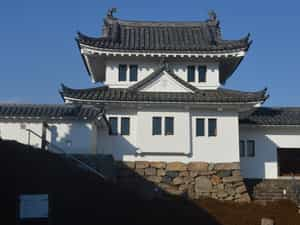
    Toyama sits between the Sea of Japan and the Northern Japan Alps, with a quiet confidence few ports can match. From the waterfront, reach a compact city known for glass art, contemporary design and excellent seafood from Toyama Bay. Season permitting, the Tateyama Kurobe Alpine Route leads into high mountain scenery. Its celebrated snow corridor is a seasonal highlight. Back in town, explore the castle park, then sample masu-zushi, Toyama’s distinctive pressed trout sushi.

  5. Day 6

    Maizuru, Japan

    Maizuru brings you to Kyoto Prefecture’s Sea of Japan coast, far from the crowds around Kyoto’s temples. Its naval past is tangible in the red-brick warehouses, built for the Imperial Japanese Navy. Several now house museums, shops and cafés. Visit the Maizuru Repatriation Memorial Museum, or travel onward to Amanohashidate, one of Japan’s celebrated scenic sites.

  6. Day 7

    Sakaiminato-Matsue, Japan

    Your arrival at Sakaiminato opens a quieter side of Japan, where fishing-town character meets samurai history. Follow Mizuki Shigeru Road past bronze figures from the manga artist’s supernatural world, then sample fresh crab and seafood. Matsue lies about 40 kilometres away, its original castle among Japan’s National Treasures, with canals and Lake Shinji nearby. A day ashore can move from lively local flavour to the measured elegance of old Japan.

  7. Day 8

    Busan, Korea

    Busan pairs the scale of a modern port city with easy access to temples, markets and broad beaches. Visit Gamcheon Culture Village, browse Jagalchi Fish Market or ride Songdo’s cable car over the sea. The city’s best-known sights are spread across several districts, so plan your day around one area. For a quieter pause, visit Beomeosa Temple on the forested slopes of Geumjeongsan.

  8. Day 9

    Kitakyushu, Japan

    Kitakyushu sits at Kyushu’s northern tip, facing Honshu across the Kanmon Strait. Its waterfront tells two stories: Mojiko’s restored Meiji-era port buildings and the steelworks that helped shape modern Japan. Explore Kokura Castle, then browse Tanga Market, where local cooks and shoppers keep the city’s food culture in view. Come for a port city with substance: industrial history, waterside architecture and a lively gateway to western Japan.

  9. Day 10

    Hiroshima City, Japan

    Hiroshima is a modern city with a history that reaches far beyond the events of 1945. At Peace Memorial Park, the Atomic Bomb Dome and museum offer a moving, carefully documented account of the bombing. Across the city, local trams make it easy to reach Shukkeien Garden, lively Hondori and the riverside. A short train and ferry journey reaches Miyajima, famed for Itsukushima Shrine and its great torii gate.

  10. Day 11

    Kobe-Osaka, Japan

    Osaka rewards travellers who look beyond its famous appetite. Japan’s third-largest city blends merchant heritage, bold architecture and everyday energy. At Osaka Castle, stone walls and broad moats frame a defining chapter of the city’s past. Follow locals to Dotonbori, where neon reflects on the canal and takoyaki comes hot from the grill. Excellent rail links make Osaka a practical gateway to Kyoto, Nara and Kobe.

  11. Day 12

    Tokushima, Japan

    Tokushima brings you to Shikoku, Japan’s smallest main island, where river plains meet forested hills. The city’s Awa Odori dance tradition comes alive each August, with performances at Awa Odori Kaikan year-round. Ride Mount Bizan’s ropeway for sweeping views over Tokushima and the Yoshino River. Beyond the city, Naruto’s tidal whirlpools reveal the force of the Seto Inland Sea’s currents.

  12. Day 13

    Shimizu, Japan

    Shimizu offers a memorable arrival: on clear days, Mount Fuji rises beyond the blue waters of Suruga Bay. Shimizu is a working harbor famed for tuna. Across the bay, Miho-no-Matsubara’s pines frame a celebrated view of Fuji. At Nihondaira, take in the panorama, then ride the ropeway to Kunozan Toshogu, a richly decorated shrine honoring Tokugawa Ieyasu.

  13. Day 14

    Yokohama, Japan

    Yokohama is Japan’s most cosmopolitan port city, with Tokyo less than an hour away by train. Stay here, though, and you’ll find a city with its own strong character. Explore waterfront promenades, the historic Red Brick Warehouse, and one of Japan’s largest Chinatowns. Yokohama opened to foreign trade in 1859. Its international past still shapes the food, architecture, and relaxed pace of the city today.

  14. Day 16

    Tokyo, Japan

    Tokyo is a city of contrasts best explored one neighborhood at a time. In Asakusa, Senso-ji’s lantern gates lead to a centuries-old Buddhist temple; nearby, the Sumida River frames the skyline. Ride the efficient rail network to sleek Ginza, quiet Meiji Shrine, or the high-rise streets of Shinjuku. Come hungry: sushi counters, ramen shops, and department-store food halls make eating well remarkably easy. Tokyo’s scale is immense, but its details reward curiosity.

  15. Day 17

    Nagoya, Japan

    Nagoya rewards travelers who look beyond its industrial skyline. Nagoya Castle’s golden shachihoko and broad grounds recall the power of the city’s samurai lords. At Atsuta Jingu, one of Japan’s most revered Shinto shrines, ancient trees frame a quieter visit. Try miso katsu or grilled eel over rice, local specialties that give this hardworking city a distinct flavor.

  16. Day 18

    Kobe-Osaka, Japan

    Osaka rewards travellers who look beyond its famous appetite. Japan’s third-largest city blends merchant heritage, bold architecture and everyday energy. At Osaka Castle, stone walls and broad moats frame a defining chapter of the city’s past. Follow locals to Dotonbori, where neon reflects on the canal and takoyaki comes hot from the grill. Excellent rail links make Osaka a practical gateway to Kyoto, Nara and Kobe.

  17. Day 20

    Kochi City, Japan

    Kochi rewards curious visitors with Shikoku’s history and easygoing, open-air pleasures. At its heart, Kochi Castle is one of Japan’s twelve castles to retain its original keep. Nearby, the Sunday market and Hirome Market reveal local life through seasonal produce and katsuo no tataki, seared bonito. Follow the coast to Katsurahama, where a statue of samurai reformer Sakamoto Ryoma faces the sea.

  18. Day 21

    Hiroshima City, Japan

    Hiroshima is a modern city with a history that reaches far beyond the events of 1945. At Peace Memorial Park, the Atomic Bomb Dome and museum offer a moving, carefully documented account of the bombing. Across the city, local trams make it easy to reach Shukkeien Garden, lively Hondori and the riverside. A short train and ferry journey reaches Miyajima, famed for Itsukushima Shrine and its great torii gate.

  19. Day 22

    Beppu, Japan

    Steam curls above Beppu, Japan’s celebrated hot-spring town. On Kyushu’s east coast, mineral-rich waters feed public baths and traditional inns. The famous Eight Hells are vivid geothermal pools, best admired rather than entered. Choose a soak in a neighborhood bathhouse, or sample cuisine cooked with volcanic steam. Beppu rewards travelers who make time for the water.

  20. Day 23

    Kagoshima City, Japan

    Kagoshima sits at the southern end of Kyushu, with Sakurajima rising across its sheltered bay. Ferries cross to the active volcano, where lava fields and walking trails reveal a landscape still shaped by fire. Sengan-en, a former Shimazu estate, combines traditional gardens with striking views of Sakurajima. Kagoshima’s food is equally distinctive: tender kurobuta pork and local sweet-potato shochu give the region its own character.

  21. Day 24

    Nagasaki City, Japan

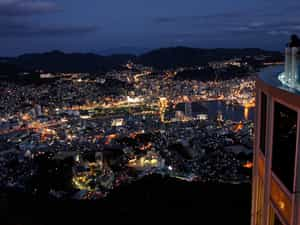
    Few Japanese cities combine harbor scenery and layered history as compellingly as Nagasaki. Its steep streets rise above a sheltered harbor that once linked Japan with Dutch and Chinese traders. At Dejima, the former Dutch trading post, exhibits trace the city’s unusual role during centuries of restricted foreign contact. The Peace Park and Atomic Bomb Museum offer a moving, carefully documented account of 1945. Come for the history; stay to see how a resilient port city lives beside its past.

  22. Day 25

    Yeosu, Korea

    Yeosu rewards travelers who look beyond South Korea’s better-known cities. Set along the country’s southern coast, it faces a sheltered sea dotted with islands and fishing villages. Ride the cable car across the water to Dolsan Island, then explore Odongdo’s camellia-lined paths. The Expo 2012 waterfront offers museums and open sea views. Nearby, Hyangiram Hermitage clings to a rocky headland.

  23. Day 27

    Incheon, Korea

    Incheon has long connected Korea with the wider world, and remains a gateway to Seoul. The port opened to trade in 1883; the Open Port district still reflects that history in its streets and buildings. Nearby, Incheon Chinatown offers lively color and Korean-Chinese cuisine. For a striking contrast, head to Songdo, where contemporary towers frame canals and expansive Central Park.

  24. Day 29

    Tianjin, China

    Your ship docks at Tianjin, China’s great northern port and the maritime gateway to Beijing. From here, the capital’s palaces and imperial avenues make a compelling day ashore, though the journey takes time. Stay in Tianjin and follow the Haihe River past grand bridges, former concession-era buildings and the lively waterfront. Browse Ancient Culture Street for traditional crafts and local snacks. The Tianjin Eye offers a striking view of a city balancing old China and modern ambition.

  25. Day 31

    Dalian, China

    At the southern tip of the Liaodong Peninsula, Dalian faces the Yellow Sea with a distinctly maritime character. Wide boulevards, leafy parks and elegant squares recall the city’s Russian and Japanese past. Begin at Zhongshan Square, where historic buildings frame one of northeast China’s liveliest business districts. Then follow the waterfront for seafood restaurants, sea views and the old trams still running through the city.

  26. Day 33

    Shanghai, China

    Shanghai is a city of striking contrasts, where historic lanes meet a skyline that ranks among the world’s most recognizable. Walk the Bund for views across the Huangpu to Pudong’s soaring towers, then explore the former French Concession’s tree-lined streets. At Yu Garden, classical pavilions and rockeries offer a quieter counterpoint to the city’s pace. Allow time for a meal: Shanghai’s restaurants range from traditional xiaolongbao shops to contemporary kitchens.

  27. Day 38

    Hong Kong, China

    Hong Kong is best approached from the water, where the Star Ferry crosses Victoria Harbour beneath a skyline of towers. Ride the Peak Tram for sweeping views of the harbour and surrounding islands. In Central, colonial landmarks stand beside glass towers; across the harbour, Kowloon’s markets and temples offer a different pace. Cantonese kitchens range from dim sum teahouses to polished dining rooms. Leave time for the harbour after dark, when the city’s lights come into focus.

Azamara Pursuit Cruises

Published September 16, 2026
Last updated October 3, 2026
Author: J. Richard


Cruise Disclosure

Good to know: Prices are quoted per person based on double occupancy and include all applicable taxes and fees. Availability and prices can change quickly, so please continue through the booking process to confirm the latest availability and pricing before you pay.

We work hard to make sure everything on this website is accurate and up to date. However, some information may be incomplete or inaccurate, including details supplied by third parties or otherwise outside our control, and we cannot be held responsible for such errors. We work with 41 cruise line operators, that are providing cruises on 585 ships visiting 1,731 ports across 7,194 unique cruises, creating 13,822 itineraries. This is a great deal of data to continually update daily from our suppliers. If a pricing error, misrepresentation, or omission occurs, we reserve the right to adjust the pricing, correct the information, or cancel or decline any booking made in error, with notice to you. Thank you for your understanding!