Sweden Cruise from Stockholm to Piraeus — 80 Days

79 nights · Sweden · Departs Stockholm (Sweden) · Visiting Helsinki, Tallinn, Riga, Klaipeda, Gdynia-Gdansk, Karlskrona, Bornholm Island Denmark, Szczecin, Helsingborg, Copenhagen, Leith-Edinburgh, Aberdeen, Ullapool, Greencastle-Londonderry, Greenock-Glasgow, Belfast, Dublin, Cobh-Cork, Fowey, Portsmouth UK, Caen-Ouistreham, Saint-Malo, Bordeaux, Bilbao-Getxo, Gijon, Vigo, Porto-Leixoes, Lisbon, Portimao, Seville, Gibraltar, Malaga, Motril, Cartagena Spain, Valencia, Tarragona, Palamos, Sete, Marseille, Villefranche-sur-Mer, Saint-Tropez, Ajaccio, Genoa, Santa Margherita Ligure, La Spezia, Livorno, Portoferraio, Olbia, Porto Santo Stefano, Civitavecchia-Rome, Sorrento, Salerno, Catania, Crotone, Kotor, Venice, Koper, Zadar, Split, Dubrovnik, Corfu Island, Heraklion, Santorini Island, Syros Island, Piraeus-Athens · Aboard Azamara Cruises on the Azamara Quest

Azamara Cruises logo
Cruise lineAzamara Cruises
ShipAzamara Quest
Duration79 nights
Port calls66
Departures1 sailings
From fare$23,549 per person
Year built2000
Guests794
Cabins361
Crew408
Length181 m
Beam25 m
Cruising speed18.0 kn
  1. Day 1

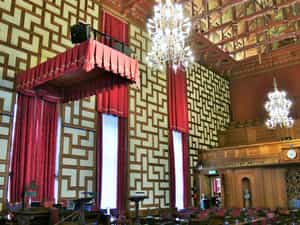
    Stockholm, Sweden

    Stockholm rewards the curious with a capital spread across 14 islands, where Lake Mälaren meets the Baltic Sea. From the waterfront, ferries and bridges lead to Gamla Stan’s narrow lanes, the Royal Palace, and the Nobel Prize Museum. Visit the Vasa Museum to see a 17th-century warship recovered from the harbor. Then pause for coffee in a city where water, design, and history shape everyday life.

  2. Day 2

    Helsinki, Finland

    Helsinki is a compact capital where Nordic design, sea air and neoclassical grandeur meet within easy reach of the harbour. Begin at Senate Square, framed by the white Helsinki Cathedral and elegant buildings shaped by architect Carl Ludvig Engel. At the Old Market Hall, Finnish rye bread, smoked fish and seasonal berries offer a taste of local life. With time to spare, take the ferry to Suomenlinna, a UNESCO-listed sea fortress spread across six islands.

  3. Day 3

    Tallinn, Estonia

    Step ashore in Tallinn, where medieval towers rise above a Baltic capital built for curious walkers. Within the UNESCO-listed Old Town, cobbled lanes lead to merchant houses, church spires and Town Hall Square. Climb Toompea for views across red roofs and the Gulf of Finland; explore cafés and galleries beyond the walls. Tallinn rewards a day on foot, with history close at hand and a distinctly modern pulse.

  4. Day 5

    Riga, Latvia

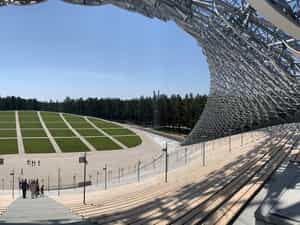
    Riga rewards a day ashore with a compact UNESCO-listed Old Town and one of Europe’s richest Art Nouveau districts. Begin at the House of the Blackheads, then follow cobbled lanes to Riga Cathedral and the riverfront. Across the canal, Alberta Street displays ornate façades that made the city a landmark of early twentieth-century design. For local life, browse Riga Central Market, set in former Zeppelin hangars near the Daugava.

  5. Day 6

    Klaipeda, Lithuania

    Klaipėda is Lithuania’s Baltic port, where maritime history meets an unexpectedly handsome old town. Its half-timbered warehouses and narrow lanes recall centuries of trade under Prussian rule. Ferries cross the lagoon to the Curonian Spit, a UNESCO-listed sweep of dunes, pine woods and fishing villages. Stay in town for museums and cafés, or make the crossing for a striking day outdoors.

  6. Day 7

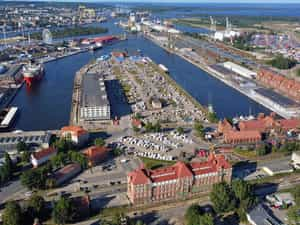
    Gdynia-Gdansk, Poland

    Gdańsk pairs a Hanseatic waterfront with a history that shaped modern Europe. Follow the Royal Route to the Long Market, where Neptune’s Fountain anchors the old town. St Mary’s Church rises above streets rebuilt after the Second World War. At the European Solidarity Centre, learn how the 1980 shipyard strike helped weaken communist rule. Amber shops and waterfront cafés offer an easy pause between landmarks.

  7. Day 8

    Karlskrona, Sweden

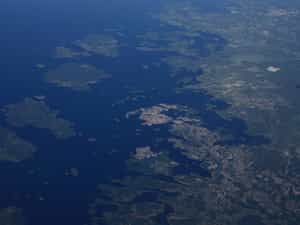
    Arrive in Karlskrona and Sweden’s naval story comes into sharp focus. Founded in 1680 as a strategic naval base, the city spreads across islands in the Blekinge archipelago. Its UNESCO-listed Naval Port preserves shipyards, fortifications and the traditions of a working fleet. On land, handsome Stortorget and the Admiralty Church reward an unhurried walk, while the Naval Museum traces centuries of seafaring. Here, history is not staged; it remains part of the harbor’s daily life.

  8. Day 9

    Bornholm Island Denmark, Denmark

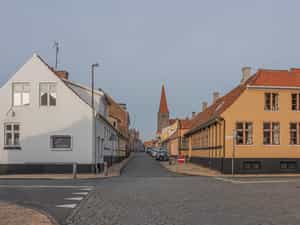
    Bornholm lies in the Baltic Sea, closer to Sweden than mainland Denmark. Rønne, its principal port, opens onto an island of granite cliffs, sandy beaches and quiet farmland. Visit Hammershus, northern Europe’s largest medieval castle ruin, or seek out Bornholm’s distinctive round churches. In Gudhjem, smokehouses serve the local specialty: smoked herring. Bornholm rewards unhurried exploration, with striking coastlines and Danish character within easy reach.

  9. Day 10

    Szczecin, Poland

    Szczecin rewards travelers who look beyond Poland’s familiar capitals. Set on the Oder River, it is a historic port with broad boulevards and an easygoing waterfront. Begin at Wały Chrobrego, the riverside terrace, where grand civic buildings frame views across the working harbor. Then visit the Pomeranian Dukes’ Castle or the striking white Philharmonic, both reminders of a city rebuilt with purpose. Allow time for a café and a walk through the compact old town.

  10. Day 11

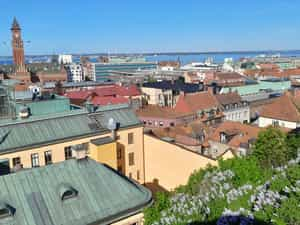
    Helsingborg, Sweden

    Helsingborg sits on Sweden’s narrow Öresund strait, with Denmark visible across the water. Its compact centre rewards a walk. Medieval Kärnan tower rises above the harbour, while grand terraces lead towards ferries and cafés. Take the short crossing to Helsingør, or stay for Sofiero Palace and its celebrated gardens. For a port day, Helsingborg offers an easy choice between Swedish city life, coastal scenery and a second country.

  11. Day 11

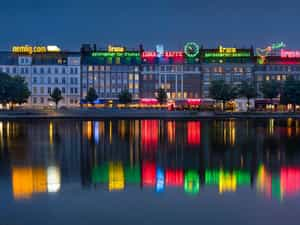
    Copenhagen, Denmark

    Copenhagen is best explored at street level, where royal history meets modern design. At Nyhavn, colorful harbor-front houses frame canal tours; nearby Amalienborg Palace is the monarch’s winter residence. Christiansborg Palace combines Denmark’s parliament with historic royal rooms, while Christianshavn’s canals reveal a quieter side. Pause for smørrebrød, the open-faced rye-bread staple, and explore the city’s design shops before returning to port.

  12. Day 14

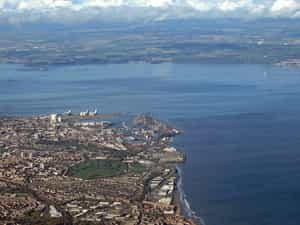
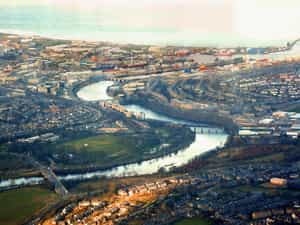
    Leith-Edinburgh

    Leith brings Edinburgh within reach, but rewards those who stay by the water. Once a working port, this lively district pairs maritime history with independent restaurants, galleries and a strong local character. At Ocean Terminal, step aboard the Royal Yacht Britannia, the former royal residence now open to visitors. Trams and buses connect you with the capital: Edinburgh Castle, its museums and Georgian streets make an easy day ashore.

  13. Day 16

    Aberdeen

    Aberdeen’s grey granite catches the light, giving Scotland’s northeast city a character all its own. The Aberdeen Maritime Museum traces how shipbuilding, fishing and North Sea oil shaped the city. Old Aberdeen is a handsome quarter of cobbled lanes and historic buildings. At King’s College, founded in 1495, the crown tower and chapel offer a striking glimpse of Scotland’s university heritage.

  14. Day 17

    Ullapool

    Ullapool sits on Loch Broom, where the Highlands meet the North Atlantic. This compact harbour village is a gateway to the Summer Isles and the rugged landscapes of Wester Ross. Walk the waterfront, browse local galleries, or pause for seafood with a view of fishing boats and distant mountains. Ullapool’s small scale rewards unhurried exploration, while nearby roads lead to beaches, waterfalls and memorable Highland scenery.

  15. Day 18

    Greencastle-Londonderry

    Greencastle, on Donegal’s Inishowen Peninsula, is a small harbour town at the mouth of Lough Foyle. Across the water lies Northern Ireland; inland, Derry/Londonderry rewards a visit with remarkably complete seventeenth-century walls and a complex history. Walk the ramparts for river views, then explore the Guildhall and Bogside murals, which record the city’s recent past. At Greencastle, the Inishowen Maritime Museum explores local fishing heritage, and the shore offers wide views across the lough.

  16. Day 19

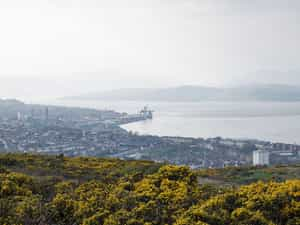
    Greenock-Glasgow

    Greenock places you on the broad Firth of Clyde, with the hills of Argyll rising across the water. Once a shipbuilding and trading powerhouse, this port rewards a closer look at its waterfront. The neoclassical Custom House, built between 1818 and 1822, is one of Scotland’s finest examples of its kind. Glasgow’s museums and architecture are within reach, while the Clyde coast offers quieter views and small-town stops.

  17. Day 20

    Belfast

    Belfast pairs a proud maritime past with a lively, walkable centre. At Titanic Belfast, the story of the famous liner unfolds beside the shipyard where she was built. Nearby, grand City Hall and the Cathedral Quarter reveal different sides of the city, from civic confidence to café-lined lanes. Across west Belfast, political murals offer a vivid perspective on its recent history. With the Giant’s Causeway within reach, Belfast also makes a compelling starting point for Northern Ireland’s dramatic coast.

  18. Day 21

    Dublin, Ireland

    Dublin is a city best explored on foot, where Georgian squares, lively lanes and centuries of history sit close together. From Dublin Port, the centre is a short drive away, making a day ashore easy to shape. See the Book of Kells at Trinity College, then trace the Liffey through the city centre. A pint in a traditional pub is an invitation to linger.

  19. Day 22

    Cobh-Cork, Ireland

    Cork is Ireland’s most independent-minded city, built on islands in the River Lee and shaped by its maritime past. Most cruise ships berth at Cobh, a handsome harbour town about 15 miles from Cork. A direct railway connects the two. Browse the English Market, visit St Fin Barre’s Cathedral, or seek out the city’s cafés and pubs. Allow time for Blarney Castle, a short drive away.

  20. Day 23

    Fowey

    On Cornwall’s south coast, Fowey is a handsome harbor town. It climbs steep streets above the River Fowey, where fishing boats and yachts share sheltered water. Browse independent shops, then take the passenger ferry across to Polruan or follow the coastal path toward St Catherine’s Castle. Daphne du Maurier made the estuary her home and a setting for her novels. Her presence still lends Fowey a distinctly literary air.

  21. Day 24

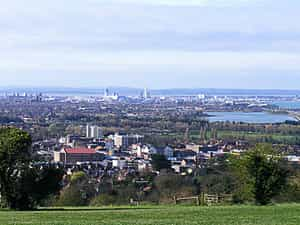
    Portsmouth UK

    Portsmouth is Britain’s great naval city, where the nation’s maritime story remains vividly present. At the Historic Dockyard, step aboard Nelson’s HMS Victory and visit the Mary Rose Museum. The Tudor warship, lifted from the Solent after 437 years, reveals extraordinary detail of life at sea. Beyond the waterfront, find lively cafés, independent shops and views from the 170-metre Spinnaker Tower. Portsmouth rewards those who want history close at hand beside a working seafront.

  22. Day 25

    Caen-Ouistreham, France

    Caen, in the heart of Normandy, pairs medieval landmarks with the region’s defining wartime history. William the Conqueror founded the Abbaye-aux-Hommes and built Caen’s castle. Its ramparts still overlook the old town. The Caen Memorial traces the Second World War and the road to peace, while the D-Day beaches lie within reach. Normandy’s cider and cheeses reward a pause at the market.

  23. Day 26

    Saint-Malo, France

    St-Malo rises from the Breton coast in granite, its old town enclosed by formidable seventeenth-century ramparts. Walk the walls for sea views, then enter Intra-Muros, where narrow lanes lead to cafés, shops and the cathedral. Privateers once sailed under royal authority; their story gives the city a character beyond its handsome stones. St-Malo’s tides rank among Europe’s highest, lending each visit a changing edge; save time for oysters and Breton crêpes.

  24. Day 28

    Bordeaux, France

    Bordeaux is best approached through its river: the Garonne leads into a city shaped by trade, wine and ambitious architecture. Along the UNESCO-listed Port of the Moon, eighteenth-century façades frame broad quays and the Place de la Bourse. Beyond the centre, renowned wine estates and the Médoc’s château-lined roads invite a longer excursion. Stay in town for a market, a riverside walk and a glass of local claret. Venture farther for vineyard landscapes that explain Bordeaux’s global reputation.

  25. Day 31

    Bilbao-Getxo, Spain

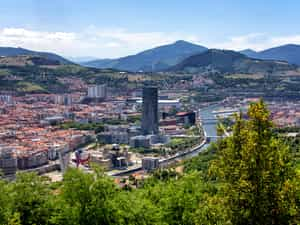
    Bilbao rewards visitors who look beyond its celebrated Guggenheim Museum. Cruise ships berth at Getxo, roughly 20 kilometres from the city centre. A taxi or arranged transfer brings you into Bilbao, where Frank Gehry’s titanium landmark rises beside the Nervión River. Beyond the museum, explore elegant boulevards and the seven streets of Casco Viejo. Stop at La Ribera Market, then sample pintxos with a glass of crisp txakoli.

  26. Day 32

    Gijon, Spain

    Gijón is a working port on the Bay of Biscay and a fine introduction to Asturias. Behind it, the Cantabrian Mountains frame a coast shaped by sea and weather. Explore Cimavilla, the old fishing quarter, and San Pedro, its Romanesque church above the headland. Then follow the promenade beside San Lorenzo Beach and order Asturias’s famed cider in a local sidrería.

  27. Day 33

    Vigo, Spain

    Vigo is Galicia’s working Atlantic city, built around one of Europe’s finest natural harbours. From the quays, the old quarter climbs towards Castro fortress, with views across the Ría de Vigo. Follow Rua das Ostras for oysters opened to order, then browse the market and waterfront cafés. Beyond town, ferries reach the Cíes Islands, with white beaches and clear water inside a protected national park.

  28. Day 34

    Porto-Leixoes, Portugal

    Porto is a city best approached on foot, where steep lanes descend towards the Douro and the Atlantic beyond. Across the river, Vila Nova de Gaia’s historic port-wine lodges offer tastings and views back to the old town. Between them, the Ribeira waterfront, tiled churches and iron bridges tell the story of a trading city shaped by water. Taste tawny port, then linger over market halls, intimate museums and unhurried meals.

  29. Day 35

    Lisbon, Portugal

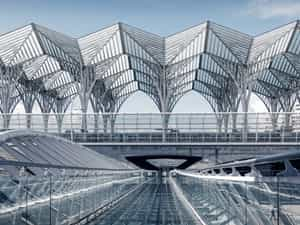
    Lisbon is a city best approached with time and comfortable shoes. Its seven hills rise above the Tagus, linking tiled lanes, grand squares and viewpoints with wide river views. In Alfama, narrow streets preserve the feel of old Lisbon. In Belém, the Jerónimos Monastery and Tower recall Portugal’s age of discovery. Pause for coffee and a warm pastel de nata between sights.

  30. Day 36

    Portimao, Portugal

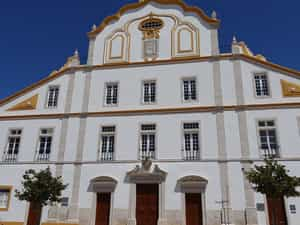
    Portimão sits where the Arade River meets the Atlantic, in Portugal’s sunlit Algarve. From the quay, Praia da Rocha’s ochre cliffs and broad sands are close at hand. In the old town, tiled façades and cafés frame the Igreja de Nossa Senhora da Conceição. Choose fresh sardines at the waterfront, or cross the river to Ferragudo for a quieter village view. Portimão makes an easy base for exploring the Algarve’s coast without sacrificing a genuine working-town feel.

  31. Day 37

    Seville, Spain

    Seville’s river port opens onto a city of Moorish courtyards, Gothic grandeur and lively streets. The cathedral and Giralda dominate the old quarter. The Alcázar’s tiled rooms and gardens reveal centuries of Islamic and Christian rule. Along the Guadalquivir, former trading warehouses recall the city’s Atlantic fortunes. Come ashore ready to walk, pause for tapas, and let the details set the pace.

  32. Day 40

    Gibraltar

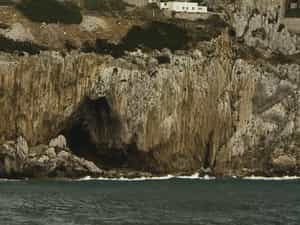
    Gibraltar stands at the southern tip of the Iberian Peninsula, looking across the Strait towards Morocco. The Rock rises above a compact town shaped by British, Spanish and Mediterranean influences. A taxi tour of the Upper Rock Nature Reserve brings far-reaching views and close encounters with Barbary macaques. Below, explore the Great Siege Tunnels and Moorish Castle, then browse Main Street’s shops and cafés.

  33. Day 41

    Malaga, Spain

    Málaga is more than a gateway to Andalusia; it is a port city with a confident life of its own. In the old centre, the Roman Theatre sits below the Moorish Alcazaba, while the cathedral rises above nearby streets. Visit the Picasso Museum or his birthplace, then try grilled sardines and local wine at a pavement table. The Mediterranean is close: city beaches, Atarazanas Market and palm-lined promenades make lingering easy.

  34. Day 42

    Motril, Spain

    Motril is a working port on Granada’s Mediterranean coast, backed by the foothills of the Sierra Nevada. It puts the Alhambra and historic centre of Granada within reach, as well as the white villages of the Alpujarras. In town, explore Motril’s sugar-cane legacy, browse local produce, and sample seafood from the Costa Tropical. For a slower day, beaches and palm-lined promenades keep the coast close.

  35. Day 43

    Cartagena Spain, Spain

    Cartagena rewards visitors who look beyond its busy harbor. Founded by the Carthaginians in 227 BC, this compact port city carries layers of Roman, military, and maritime history. Follow the waterfront to the Roman Theatre, uncovered in 1988 and now paired with a museum. Explore the old quarter’s elegant Modernista buildings and naval landmarks. Cartagena is easy to navigate, yet rich enough to hold your attention all day.

  36. Day 44

    Valencia, Spain

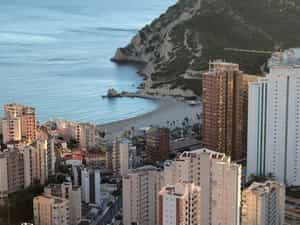
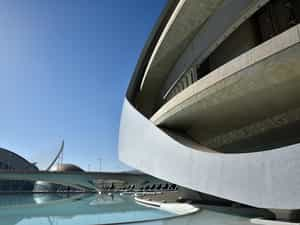
    Valencia rewards travellers who look beyond its waterfront. Spain’s third-largest city pairs a handsome old centre with the bold architecture of the City of Arts and Sciences. Visit the Central Market for local produce, then follow the Turia Gardens towards the coast. Paella has deep roots here; seek it in its birthplace, not merely on the menu. With efficient transport and a compact historic core, Valencia is easy to explore at your own pace.

  37. Day 45

    Tarragona, Spain

    Step ashore in Tarragona, where Roman Tarraco meets the blue sweep of the Mediterranean. An amphitheatre still faces the sea, while ancient walls trace the edge of the old city. UNESCO-listed monuments, a Gothic cathedral and lively Rambla Nova make the historic centre rewarding to explore on foot. At the Balcó del Mediterrani, take in the coast before settling at a terrace for Catalan seafood and local wine.

  38. Day 46

    Palamos, Spain

    Palamós brings you to the heart of Spain’s Costa Brava, where a working fishing port meets a handsome old town. Its waterfront is famed for the prawns landed here, best sampled at a local table. Walk the promenade, visit the Fishing Museum, or follow coastal paths towards rocky coves and clear water. Girona and medieval villages lie inland, but Palamós rewards a slower day close to the sea.

  39. Day 47

    Sete, France

    Sète is France’s working Mediterranean port, set between the sea and the vast Étang de Thau. Canals cross the centre, alongside fishing boats, cafés and a covered market. Ride or walk up Mont Saint-Clair for broad views across the harbour, lagoons and coast. Sample oysters from nearby Bouzigues or choose the day’s catch at a port-side restaurant. Museums honour poet Paul Valéry and singer Georges Brassens, both born here, adding cultural depth to this lively port.

  40. Day 48

    Marseille, France

    Marseille is France’s oldest city, founded by Greek settlers around 600 BC, and it still faces the Mediterranean with confidence. Begin at the Vieux-Port, where fishing boats share the waterfront with cafés and ferries bound for nearby islands. Climb to Notre-Dame de la Garde for sweeping views, or explore Le Panier’s narrow lanes and lively squares. The Calanques’ limestone coves lie beyond the city; local markets bring Provençal flavors closer.

  41. Day 49

    Villefranche-sur-Mer, France

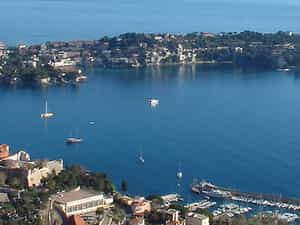
    Villefranche-sur-Mer makes an unusually graceful first impression: pastel houses rise above one of the Riviera’s deepest natural harbors. Wander the old town’s narrow lanes, then visit the 16th-century citadel and its museums. Jean Cocteau’s painted Chapel of Saint-Pierre adds a distinctive local detail. Nearby trains connect you with Nice; roads lead to Èze and the wider Côte d’Azur.

  42. Day 50

    Saint-Tropez, France

    Saint-Tropez is more than a name on a yacht’s bow. Its Vieux Port remains active with fishing boats and pleasure craft. Ochre façades and narrow lanes lead into the old town. Climb to the 17th-century citadel for sea views and the Maritime History Museum. At Place des Lices, cafés and plane trees frame local life. Pampelonne’s celebrated beaches lie a short drive away.

  43. Day 51

    Ajaccio, France

    Ajaccio brings Corsica’s character within easy reach of the quay. France’s island capital pairs a sheltered gulf with pastel façades, a lively old town and mountain ridges above the harbor. Napoleon Bonaparte was born here in 1769; his birthplace is now a museum. From Place Foch, browse the market before following narrow lanes to the cathedral and waterfront cafés. Allow time for a swim or a scenic drive along the coast, where coves and clear water reward exploration.

  44. Day 52

    Villefranche-sur-Mer, France

    Villefranche-sur-Mer makes an unusually graceful first impression: pastel houses rise above one of the Riviera’s deepest natural harbors. Wander the old town’s narrow lanes, then visit the 16th-century citadel and its museums. Jean Cocteau’s painted Chapel of Saint-Pierre adds a distinctive local detail. Nearby trains connect you with Nice; roads lead to Èze and the wider Côte d’Azur.

  45. Day 53

    Genoa, Italy

    Genoa is a city shaped by the sea, with a busy port framed by hills and centuries of trade. In the old town, narrow caruggi lead to grand squares and Romanesque churches. The Palazzi dei Rolli, a UNESCO-listed group of aristocratic residences, reveal the city’s former wealth. Walk the restored Porto Antico, then sit down to basil-scented pesto or freshly caught seafood. Genoa rewards those who explore on foot.

  46. Day 54

    Santa Margherita Ligure, Italy

    Santa Margherita Ligure pairs a working harbour with pastel façades, palm-lined promenades and the Ligurian Sea. Ferries connect the town with Portofino, while coastal paths lead toward the abbey at San Fruttuoso. Browse the shops and cafés along the waterfront, then visit the 17th-century Basilica of Santa Margherita d’Antiochia. Allow time for a seafood lunch; local menus often feature anchovies, Ligurian pesto and fresh fish.

  47. Day 55

    La Spezia, Italy

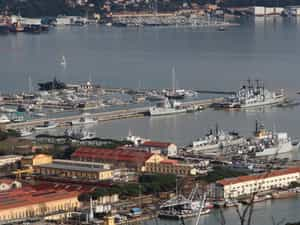
    La Spezia sits at the head of the Gulf of Poets. Here, Liguria’s steep hills meet a sheltered stretch of Mediterranean coast. Its working harbor gives the city a lively maritime character, while cafés and broad streets reward an easy stroll. Trains connect La Spezia with the villages of the Cinque Terre; ferries sail to Portovenere. Allow time for the city itself, not just its celebrated neighbors.

  48. Day 56

    Livorno, Italy

    Livorno rewards those who look beyond the cruise terminal. Its canals, built in the style of Venice, wind through historic Venezia Nuova. The seafront promenade leads to Terrazza Mascagni, where black-and-white paving frames the sea. At Mercato Centrale, locals shop beneath a vast iron-and-glass roof. Try cacciucco, the city’s rich fish stew. Florence and Pisa are within reach, but Livorno merits time of its own.

  49. Day 58

    Portoferraio, Italy

    Portoferraio rises above Elba’s deep-blue harbor, its honey-colored walls reflecting the ambition of Cosimo I de’ Medici. Walk the steep lanes between the Medici fortresses, then visit Villa dei Mulini, Napoleon’s residence during his 1814–15 exile. Beyond the old town, clear coves and pale beaches invite a swim. Vineyards and coastal roads reward a longer stay. This is Tuscany with salt air and a storied past.

  50. Day 59

    Olbia, Italy

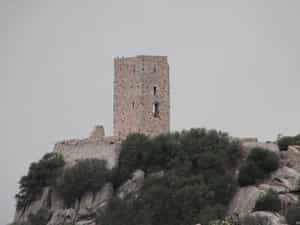
    Olbia brings Sardinia’s northeast within easy reach, from its old centre to the Costa Smeralda. Corso Umberto passes cafés and shops; nearby stands the granite Romanesque Basilica of San Simplicio. The harbour and beaches at Pittulongu offer a change of pace, while the Costa Smeralda lies north by road. For a glimpse of the island’s ancient past, visit the Nuragic site of Riu Mulinu above the city.

  51. Day 60

    Porto Santo Stefano, Italy

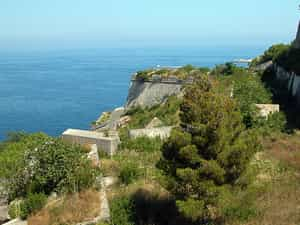
    Porto Santo Stefano brings you to Monte Argentario, where Tuscany meets the Tyrrhenian Sea. Its curved harbor remains a working port, lined with cafés, seafood restaurants, and boats bound for Giglio Island. Climb to the 16th-century Spanish Fortress for sweeping views across the waterfront and islands. Beyond town, coves and clear water reward a drive along the peninsula’s rugged coast.

  52. Day 61

    Civitavecchia-Rome, Italy

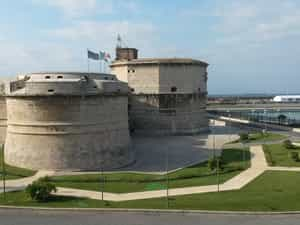
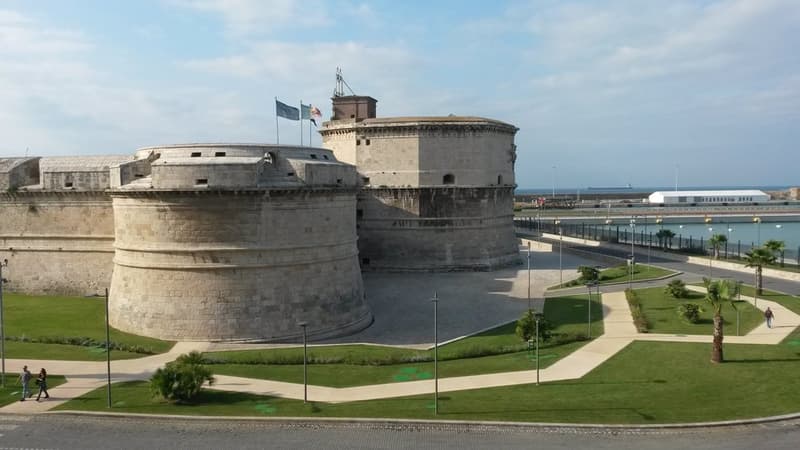
    Your ship docks at Civitavecchia, Rome’s seaport, about 50 miles northwest of the capital. Rome’s great monuments are within reach, but the port town rewards a closer look. Walk the waterfront to Forte Michelangelo, a 16th-century fortress begun under Pope Julius II; explore the old streets and market. Prefer a quieter day? The town’s seafront and nearby beaches offer an easy change of pace. Choose Rome for art and antiquity, or Civitavecchia for coastal life beyond the terminal.

  53. Day 62

    Sorrento, Italy

    Sorrento rises above the Bay of Naples, facing Mount Vesuvius across water busy with ferries. From here, ferries connect with Capri, while the town rewards a slower day among old lanes, churches, and sea-view terraces. Follow the scent of citrus to shops selling Sorrento lemons, locally made limoncello, and finely crafted marquetry. Then pause over lunch: the region’s seafood and Campanian produce are best enjoyed without hurry.

  54. Day 63

    Salerno, Italy

    Salerno puts southern Italy within easy reach, with ferries and roads leading toward the Amalfi Coast. Yet the city rewards a closer look: its old lanes gather around the handsome Duomo di San Matteo. Inside, bronze doors and a richly decorated crypt recall Salerno’s medieval importance as a center of learning. Climb to Arechi Castle for broad views across the Gulf, or venture inland to the Greek temples at Paestum.

  55. Day 64

    Catania, Italy

    Mount Etna sets the scale in Catania, where black lava stone gives the Sicilian city a character unlike any other. Rebuilt after the 1693 earthquake, its Baroque heart is part of the UNESCO-listed Val di Noto. Begin at Piazza del Duomo, then follow Via Etnea toward cafés, churches and views of the volcano. At La Pescheria, the fish market, Sicily’s daily life is on full display, best sampled before lunch.

  56. Day 65

    Crotone, Italy

    Crotone puts ancient Magna Graecia within easy reach of Calabria’s Ionian coast. Greek settlers founded Croton in the eighth century BC, and Pythagoras later taught here. In the old town, narrow lanes lead to the 16th-century Castle of Charles V and the cathedral. At Capo Colonna, the last standing column marks Hera Lacinia’s ancient sanctuary. The headland opens to broad Ionian views.

  57. Day 66

    Kotor, Montenegro

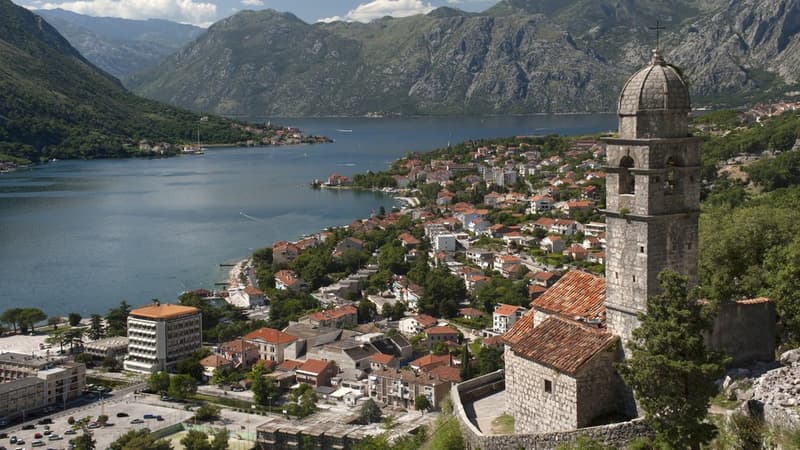
    At the head of Montenegro’s Bay of Kotor, the old town sits beneath steep mountains. Enter through the Sea Gate and follow stone lanes to St Tryphon’s Cathedral. Venetian-era walls frame squares, churches, and cafés within a compact UNESCO-listed center. For a broader view, climb toward San Giovanni Fortress; the steps are demanding. Take water and allow time for the ascent, especially in summer heat. From the harbor, the bay’s changing light makes a memorable arrival and departure.

  58. Day 68

    Venice, Italy

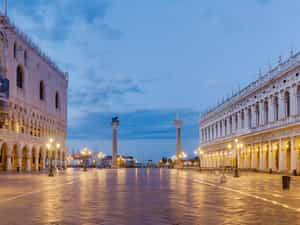
    Arrive in Venice by water, where the lagoon’s canals replace ordinary streets. St Mark’s Basilica and Doge’s Palace anchor the celebrated Piazza San Marco. Take a vaporetto along the Grand Canal, then explore a quieter neighborhood on foot. Confirm your ship’s terminal and transfer arrangements before setting out; cruise access varies. Near Rialto, the market and bridge offer a lively glimpse of the city’s trade. Give yourself time to leave the main routes and follow smaller canals.

  59. Day 70

    Koper, Slovenia

    Koper rewards travellers who step ashore ready to explore on foot. Slovenia’s principal seaport opens onto a compact old town shaped by centuries of Venetian rule. At Tito Square, the Praetorian Palace and the cathedral’s bell tower frame a handsome introduction to the city. Beyond its stone lanes, the Istrian hinterland offers vineyards, olive groves and Karst landscapes. Stay awhile: Koper’s quiet confidence is part of its appeal.

  60. Day 71

    Zadar, Croatia

    Zadar pairs a compact old town with a clear Adriatic setting. Roman streets, Venetian gates and medieval churches tell the story of a city shaped by centuries of trade. On the seafront, the Sea Organ turns waves into music through stone pipes. Nearby, the Sun Salutation gathers solar energy and shines after dark. Beyond the walls, Nin’s salt pans and the island-dotted coast reward a closer look.

  61. Day 72

    Split, Croatia

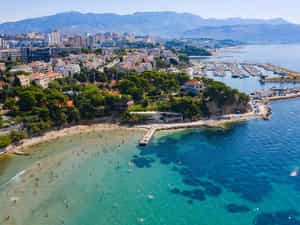
    Split is Croatia’s second-largest city, but its heart feels remarkably intimate. Inside Diocletian’s Palace, Roman walls frame cafés, shops and homes. The cathedral and Peristyle recall the emperor’s former residence. Walk the Riva for views across the harbor and its working waterfront. Then climb Marjan Hill for a broad panorama of red roofs and Adriatic islands. Few ports make history so easy to enter on foot.

  62. Day 73

    Dubrovnik, Croatia

    Spend a day inside Dubrovnik’s UNESCO-listed Old Town, best explored on foot. Walk the city walls for close views of fortifications, roofs, and harbor. Then follow Stradun to Rector’s Palace and the Franciscan monastery. Book wall access in advance during busy months, and start early in summer. Mount Srđ offers a higher view, reached by cable car or road. Leave time for side lanes; their quieter corners reveal the city’s daily rhythm.

  63. Day 74

    Kotor, Montenegro

    At the head of Montenegro’s Bay of Kotor, the old town sits beneath steep mountains. Enter through the Sea Gate and follow stone lanes to St Tryphon’s Cathedral. Venetian-era walls frame squares, churches, and cafés within a compact UNESCO-listed center. For a broader view, climb toward San Giovanni Fortress; the steps are demanding. Take water and allow time for the ascent, especially in summer heat. From the harbor, the bay’s changing light makes a memorable arrival and departure.

  64. Day 75

    Corfu Island, Greece

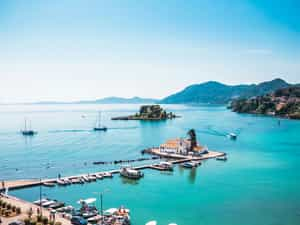
    Corfu rewards visitors who look beyond the beach resorts. Its Old Town, a UNESCO World Heritage site, bears the marks of centuries of Venetian rule. Walk the arcaded Liston, then climb to the Old Fortress for views across the rooftops and Ionian Sea. Beyond town, cypress-lined roads lead to Paleokastritsa’s coves, while the Achilleion palace recalls an imperial past. Allow time for lunch; Corfiot cooking pairs Ionian seafood with Italian and Greek influences.

  65. Day 77

    Heraklion, Greece

    Heraklion is Crete’s capital, with treasures beyond its city walls. At Knossos, about five kilometres south, palace ruins reveal the scale of Minoan life. The Heraklion Archaeological Museum brings that world into focus through frescoes, jewellery and its celebrated Snake Goddess figurines. In town, Venetian walls and the harbour’s Koules fortress frame cafés, markets and a lively waterfront. Crete’s olive oil, local cheeses and generous island cooking reward a pause between visits.

  66. Day 78

    Santorini Island, Greece

    Few Greek islands make an entrance like Santorini, where whitewashed villages crown a volcanic caldera above the Aegean. Most cruise ships anchor offshore, and tenders land at the old port below Fira. Ride the cable car, or climb the steps, to reach the island’s capital and its celebrated views. Beyond Fira, Oia’s blue domes, the archaeological site of Akrotiri, and volcanic wines reward a longer day ashore.

  67. Day 79

    Syros Island, Greece

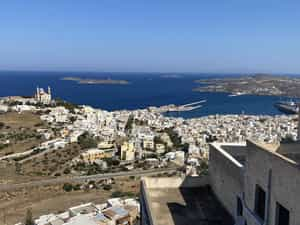
    Above Ermoupoli’s busy harbor, Áno Sýros keeps the quieter face of Syros. Its medieval lanes climb toward the Catholic Cathedral of Saint George, past whitewashed houses and small tavernas. Go on foot in shoes with grip, pausing for views across the Aegean and down to the neoclassical capital. This is a place for unhurried exploring, not a beach day.

  68. Day 80

    Piraeus-Athens, Greece

    Piraeus is Athens’ working harbour, not a resort port—and that is its appeal. From here, the capital’s ancient landmarks are within reach, while the waterfront keeps its own busy, distinctly Greek character. Visit the Archaeological Museum of Piraeus, then linger over grilled fish in Mikrolimano, a small harbour lined with tavernas. Metro connections make central Athens straightforward. Or stay near the water and watch ferries depart for the islands.

Azamara Quest Cruises

Published September 10, 2026
Last updated October 3, 2026
Author: J. Richard


Cruise Disclosure

Good to know: Prices are quoted per person based on double occupancy and include all applicable taxes and fees. Availability and prices can change quickly, so please continue through the booking process to confirm the latest availability and pricing before you pay.

We work hard to make sure everything on this website is accurate and up to date. However, some information may be incomplete or inaccurate, including details supplied by third parties or otherwise outside our control, and we cannot be held responsible for such errors. We work with 41 cruise line operators, that are providing cruises on 585 ships visiting 1,731 ports across 7,194 unique cruises, creating 13,822 itineraries. This is a great deal of data to continually update daily from our suppliers. If a pricing error, misrepresentation, or omission occurs, we reserve the right to adjust the pricing, correct the information, or cancel or decline any booking made in error, with notice to you. Thank you for your understanding!