Japan Cruise from Tokyo — 29 Days

28 nights · Japan · Departs Tokyo (Japan) · Visiting Hitachinaka, Hakodate, Akita City, Niigata City, Kanazawa, Sakaiminato-Matsue, Busan, Nagasaki City, Aburatsu-Nichinan, Kochi City, Wakayama City, Shimizu, Miyako-Iwate, Aomori City, Sakata, Tsuruga, Jeju Island, Yatsushiro-Kumamoto City, Kagoshima City, Beppu, Kobe-Osaka, Tokushima, Omaezaki · Aboard Princess Cruises on the Diamond Princess

Princess Cruises logo
Cruise linePrincess Cruises
ShipDiamond Princess
Duration28 nights
Port calls24
Departures1 sailings
From fare$5,518 per person
Year built2004
Guests3247
Cabins1353
Crew1100
Length290 m
Beam48 m
Cruising speed23.0 kn
  1. Day 1

    Tokyo, Japan

    Tokyo is a city of contrasts best explored one neighborhood at a time. In Asakusa, Senso-ji’s lantern gates lead to a centuries-old Buddhist temple; nearby, the Sumida River frames the skyline. Ride the efficient rail network to sleek Ginza, quiet Meiji Shrine, or the high-rise streets of Shinjuku. Come hungry: sushi counters, ramen shops, and department-store food halls make eating well remarkably easy. Tokyo’s scale is immense, but its details reward curiosity.

  2. Day 2

    Hitachinaka, Japan

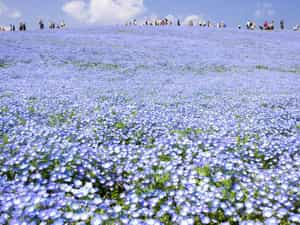
    Hitachinaka brings you to Japan’s Ibaraki coast, where beaches and working harbors sit within reach of historic Mito. At Hitachi Seaside Park, spring’s blue nemophila and autumn’s red kochia create a striking seasonal spectacle. Nearby Nakaminato offers a lively fish market, fresh seafood, and a glimpse of everyday life on the Pacific. Choose Hitachinaka for open-air scenery, local flavor, and an inviting alternative to Japan’s better-known urban ports.

  3. Day 4

    Hakodate, Japan

    Hakodate rewards travellers who look beyond the waterfront. At the morning market, vendors serve Hokkaido crab, sea urchin and squid caught in local waters. The star-shaped ramparts of Goryokaku tell a sharper story: Japan’s final years of samurai rule. Ride the ropeway up Mount Hakodate for a celebrated view of the city and its twin bays. Below, Motomachi’s churches and former consulates reflect the port’s opening to foreign trade in 1859.

  4. Day 5

    Akita City, Japan

    Akita offers a quieter, distinctly Japanese day ashore, with samurai-era history and celebrated regional food. Senshu Park occupies the former grounds of Kubota Castle. At the Akita Museum of Art, a striking mural by local-born painter Tsuguharu Foujita commands attention. Try kiritanpo, rice mashed, shaped around cedar skewers and grilled, alongside local sake. In August, the Kanto Festival brings towering lantern poles into the streets, carried with remarkable balance.

  5. Day 6

    Niigata City, Japan

    Niigata faces the Sea of Japan, where waterways and a fertile rice plain have shaped the city’s character. One of Japan’s leading rice-producing regions, it is celebrated for fine sake brewed with local grains and pristine water. Walk the waterfront, cross graceful Bandai Bridge, then explore Furumachi’s old merchant quarter. Nearby, the Northern Culture Museum reveals the elegance of a prosperous rural estate. At table, local rice, Sea of Japan seafood and sake make a persuasive case for staying awhile.

  6. Day 7

    Kanazawa, Japan

    Kanazawa rewards visitors who look beyond Japan’s best-known cities. On the Sea of Japan, it preserves a samurai quarter, historic castle and teahouse district. Stroll Kenrokuen, one of Japan’s Three Great Gardens, then explore Omicho Market for seafood from nearby waters. The 21st Century Museum of Contemporary Art and gold-leaf workshops reveal a modern city with a rich craft tradition.

  7. Day 8

    Sakaiminato-Matsue, Japan

    Your arrival at Sakaiminato opens a quieter side of Japan, where fishing-town character meets samurai history. Follow Mizuki Shigeru Road past bronze figures from the manga artist’s supernatural world, then sample fresh crab and seafood. Matsue lies about 40 kilometres away, its original castle among Japan’s National Treasures, with canals and Lake Shinji nearby. A day ashore can move from lively local flavour to the measured elegance of old Japan.

  8. Day 9

    Busan, Korea

    Busan pairs the scale of a modern port city with easy access to temples, markets and broad beaches. Visit Gamcheon Culture Village, browse Jagalchi Fish Market or ride Songdo’s cable car over the sea. The city’s best-known sights are spread across several districts, so plan your day around one area. For a quieter pause, visit Beomeosa Temple on the forested slopes of Geumjeongsan.

  9. Day 10

    Nagasaki City, Japan

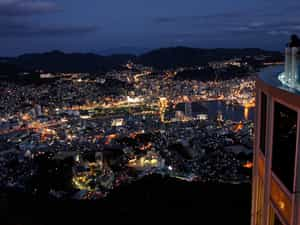
    Few Japanese cities combine harbor scenery and layered history as compellingly as Nagasaki. Its steep streets rise above a sheltered harbor that once linked Japan with Dutch and Chinese traders. At Dejima, the former Dutch trading post, exhibits trace the city’s unusual role during centuries of restricted foreign contact. The Peace Park and Atomic Bomb Museum offer a moving, carefully documented account of 1945. Come for the history; stay to see how a resilient port city lives beside its past.

  10. Day 11

    Aburatsu-Nichinan, Japan

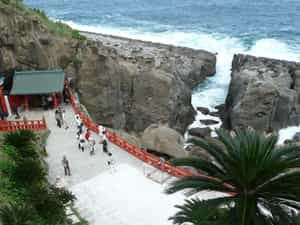
    Aburatsu opens onto southern Miyazaki, where Kyushu meets the Pacific among cliffs, beaches and fishing harbours. Nichinan’s preserved castle town of Obi rewards a walk among samurai homes, stone lanes and its former domain school. Farther along the coast, Udo Shrine occupies a sea cave beneath dramatic cliffs. This is a port for history, coastal scenery and unhurried exploration.

  11. Day 12

    Kochi City, Japan

    Kochi rewards curious visitors with Shikoku’s history and easygoing, open-air pleasures. At its heart, Kochi Castle is one of Japan’s twelve castles to retain its original keep. Nearby, the Sunday market and Hirome Market reveal local life through seasonal produce and katsuo no tataki, seared bonito. Follow the coast to Katsurahama, where a statue of samurai reformer Sakamoto Ryoma faces the sea.

  12. Day 13

    Wakayama City, Japan

    Wakayama rewards travelers who look beyond Japan’s familiar city circuit. Set on the Kii Peninsula, this coastal city pairs a handsome castle with the rituals of an ancient pilgrimage landscape. Visit Wakayama Castle for city views, then seek out the famed local ramen, served in rich pork-and-soy broth. The port also opens a route to Koyasan and the Kumano Kodo, where forest paths lead through Japan’s spiritual heartland.

  13. Day 14

    Shimizu, Japan

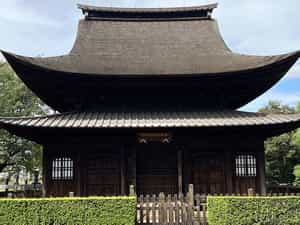
    Shimizu offers a memorable arrival: on clear days, Mount Fuji rises beyond the blue waters of Suruga Bay. Shimizu is a working harbor famed for tuna. Across the bay, Miho-no-Matsubara’s pines frame a celebrated view of Fuji. At Nihondaira, take in the panorama, then ride the ropeway to Kunozan Toshogu, a richly decorated shrine honoring Tokugawa Ieyasu.

  14. Day 15

    Tokyo, Japan

    Tokyo is a city of contrasts best explored one neighborhood at a time. In Asakusa, Senso-ji’s lantern gates lead to a centuries-old Buddhist temple; nearby, the Sumida River frames the skyline. Ride the efficient rail network to sleek Ginza, quiet Meiji Shrine, or the high-rise streets of Shinjuku. Come hungry: sushi counters, ramen shops, and department-store food halls make eating well remarkably easy. Tokyo’s scale is immense, but its details reward curiosity.

  15. Day 17

    Miyako-Iwate, Japan

    Miyako brings you to Iwate’s Sanriku coast, where deep bays and forested headlands shape the journey. At Jodogahama, white volcanic rocks, pine trees and clear water frame one of Japan’s most striking beaches. In town, sample Sanriku seafood and explore the waterfront, rebuilt after the 2011 tsunami. Boat trips reveal the rugged coastline from the water; shore excursions reward travelers who prefer a quieter pace.

  16. Day 18

    Aomori City, Japan

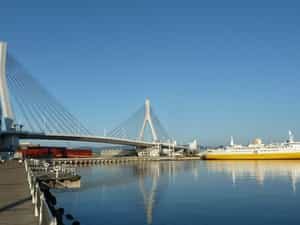
    Aomori brings Japan’s northern frontier within easy reach, with the Tsugaru Strait beyond its harbor and mountains on the horizon. The city is known for crisp apples, fresh seafood and Nebuta, its dramatic summer festival of illuminated warrior floats. At Wa Rasse museum, the floats command attention year-round. Travelers can visit the Sannai-Maruyama archaeological site or journey to Hirosaki for its castle and celebrated cherry trees.

  17. Day 19

    Sakata, Japan

    On Yamagata’s Sea of Japan coast, Sakata rewards travelers drawn to history, gardens, and excellent seafood. The port’s mercantile past lives on at Sankyo Soko, rice storehouses shaded by towering zelkova trees. Explore the gardens of the Homma Museum, then sample seafood from local fishing grounds. Sakata also offers access to Shonai’s rice-growing landscapes and a quieter side of northern Japan.

  18. Day 20

    Tsuruga, Japan

    Tsuruga faces the Sea of Japan in Fukui Prefecture. Its working harbor and compact city bear the marks of centuries of trade. At Kehi Jingu, an 11-metre vermilion torii makes a striking first impression. The Tsuruga Red Brick Warehouse recalls the port’s shipping era. At Kehi no Matsubara, pine trees frame a quiet stretch of coast. Come ashore for shrine architecture, coastal walks and seafood from Fukui’s waters.

  19. Day 22

    Jeju Island, Korea

    Seogwipo sits on Jeju Island’s southern coast, framed by volcanic cliffs and the Korea Strait. Jeongbang Falls plunges directly into the sea, while Cheonjiyeon Falls rewards a short walk through a wooded gorge. Follow a section of the Jeju Olle Trail for coastal views. At Seogwipo Maeil Olle Market, browse seafood and island-grown produce. In clear weather, Hallasan rises inland above the island’s lava-stone landscape.

  20. Day 23

    Yatsushiro-Kumamoto City, Japan

    Begin in Kumamoto, where one of Japan’s great castles rises above a city shaped by samurai history and volcanic landscapes. Kumamoto Castle’s restored main keep offers a vivid introduction, while earthquake repairs remain visible across its grounds. At Suizenji Jojuen, a landscaped garden evokes the old Tokaido road in miniature. Local specialties include karashi renkon, lotus root filled with mustard miso, and horse-meat sashimi.

  21. Day 24

    Kagoshima City, Japan

    Kagoshima sits at the southern end of Kyushu, with Sakurajima rising across its sheltered bay. Ferries cross to the active volcano, where lava fields and walking trails reveal a landscape still shaped by fire. Sengan-en, a former Shimazu estate, combines traditional gardens with striking views of Sakurajima. Kagoshima’s food is equally distinctive: tender kurobuta pork and local sweet-potato shochu give the region its own character.

  22. Day 25

    Beppu, Japan

    Steam curls above Beppu, Japan’s celebrated hot-spring town. On Kyushu’s east coast, mineral-rich waters feed public baths and traditional inns. The famous Eight Hells are vivid geothermal pools, best admired rather than entered. Choose a soak in a neighborhood bathhouse, or sample cuisine cooked with volcanic steam. Beppu rewards travelers who make time for the water.

  23. Day 26

    Kobe-Osaka, Japan

    Osaka rewards travellers who look beyond its famous appetite. Japan’s third-largest city blends merchant heritage, bold architecture and everyday energy. At Osaka Castle, stone walls and broad moats frame a defining chapter of the city’s past. Follow locals to Dotonbori, where neon reflects on the canal and takoyaki comes hot from the grill. Excellent rail links make Osaka a practical gateway to Kyoto, Nara and Kobe.

  24. Day 27

    Tokushima, Japan

    Tokushima brings you to Shikoku, Japan’s smallest main island, where river plains meet forested hills. The city’s Awa Odori dance tradition comes alive each August, with performances at Awa Odori Kaikan year-round. Ride Mount Bizan’s ropeway for sweeping views over Tokushima and the Yoshino River. Beyond the city, Naruto’s tidal whirlpools reveal the force of the Seto Inland Sea’s currents.

  25. Day 28

    Omaezaki, Japan

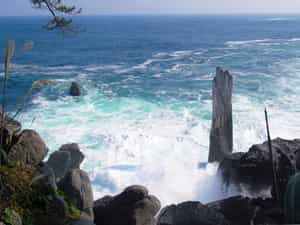
    Omaezaki faces the open Pacific at Shizuoka Prefecture’s southern tip, where surf, wind and broad horizons define the coast. Climb to Omaezaki Lighthouse, first lit in 1874, for sweeping sea views and a closer look at this rugged headland. Nearby tea fields reflect Shizuoka’s celebrated tea culture, while local seafood brings the Pacific to the table. Come ashore for a quieter side of Japan, shaped by coastal scenery rather than city spectacle.

  26. Day 29

    Tokyo, Japan

    Tokyo is a city of contrasts best explored one neighborhood at a time. In Asakusa, Senso-ji’s lantern gates lead to a centuries-old Buddhist temple; nearby, the Sumida River frames the skyline. Ride the efficient rail network to sleek Ginza, quiet Meiji Shrine, or the high-rise streets of Shinjuku. Come hungry: sushi counters, ramen shops, and department-store food halls make eating well remarkably easy. Tokyo’s scale is immense, but its details reward curiosity.

Diamond Princess Cruises

Published August 29, 2026
Last updated October 3, 2026
Author: J. Richard


Cruise Disclosure

Good to know: Prices are quoted per person based on double occupancy and include all applicable taxes and fees. Availability and prices can change quickly, so please continue through the booking process to confirm the latest availability and pricing before you pay.

We work hard to make sure everything on this website is accurate and up to date. However, some information may be incomplete or inaccurate, including details supplied by third parties or otherwise outside our control, and we cannot be held responsible for such errors. We work with 41 cruise line operators, that are providing cruises on 585 ships visiting 1,731 ports across 7,194 unique cruises, creating 13,822 itineraries. This is a great deal of data to continually update daily from our suppliers. If a pricing error, misrepresentation, or omission occurs, we reserve the right to adjust the pricing, correct the information, or cancel or decline any booking made in error, with notice to you. Thank you for your understanding!