Denmark Cruise from Copenhagen to Reykjavík — 14 Days

13 nights · Denmark · Departs Copenhagen (Denmark) · Visiting Goteborg, Oslo, Kristiansand, Stavanger, Eidfjord, Maloy, Torshavn, Djupivogur, Seydisfjordur, Akureyri, Isafjordur, Reykjavik · Aboard Oceania Cruises on the Oceania Marina

Oceania Cruises logo
Cruise lineOceania Cruises
ShipOceania Marina
Duration13 nights
Port calls13
Departures1 sailings
From fare$5,549 per person
Year built2011
Guests1447
Cabins629
Crew800
Length251 m
Beam32 m
Cruising speed20.0 kn
  1. Day 1

    Copenhagen, Denmark

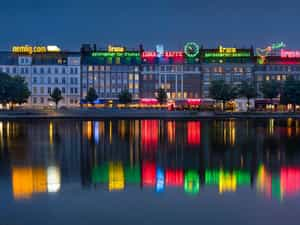
    Copenhagen is best explored at street level, where royal history meets modern design. At Nyhavn, colorful harbor-front houses frame canal tours; nearby Amalienborg Palace is the monarch’s winter residence. Christiansborg Palace combines Denmark’s parliament with historic royal rooms, while Christianshavn’s canals reveal a quieter side. Pause for smørrebrød, the open-faced rye-bread staple, and explore the city’s design shops before returning to port.

  2. Day 2

    Goteborg, Sweden

    Gothenburg, Sweden’s second-largest city, faces the Kattegat from a working west-coast harbour. Dutch-designed canals frame grand squares and Haga’s 19th-century wooden houses. At the waterfront, seafood is a serious business; the city’s celebrated fish market and restaurants showcase the North Sea catch. Beyond the centre, ferries connect with islands of the southern archipelago, an easy excursion from town. Come for the harbour, stay for a city that makes Scandinavian design and maritime heritage part of daily life.

  3. Day 3

    Oslo, Norway

    Oslo rewards curious travellers with a rare balance of grand history, modern design and easy access to nature. From the harbour, walk to City Hall, the Nobel Peace Center and Akershus Fortress, whose ramparts overlook the fjord. Across the water, Bygdøy gathers standout museums, including the Fram Museum and Norwegian Folk Museum. Save time for the Opera House, where a public roof offers a striking view over the city and Oslofjord.

  4. Day 4

    Kristiansand, Norway

    Kristiansand is southern Norway at an easy pace, with a handsome harbour and a compact centre made for walking. Founded in 1641 by King Christian IV, Kristiansand’s grid still shapes Kvadraturen, its compact central district. Posebyen’s quiet lanes are lined with white wooden houses, part of one of northern Europe’s largest collections. Follow the waterfront to Fiskebrygga, where fish counters and restaurants make an easy lunch stop. Kilden, the city’s waterfront concert hall, adds a bold modern note.

  5. Day 5

    Stavanger, Norway

    Stavanger rewards a shore day spent on foot. White wooden houses line the compact old centre beside a lively harbour. The Norwegian Petroleum Museum explains how oil reshaped the city. Climb to the cathedral, begun around 1125, then browse Øvre Holmegate’s colourful cafés and shops. For a wider view, take a boat into Lysefjord, where sheer cliffs rise beneath Preikestolen. Wear good shoes; cobbles and steep lanes are part of the pleasure.

  6. Day 6

    Eidfjord, Norway

    Eidfjord puts you at the quiet end of Hardangerfjord, where sheer mountains rise from deep, blue water. From the village, roads climb towards Hardangervidda, Northern Europe’s largest mountain plateau, and Vøringsfossen waterfall. See the falls from purpose-built viewing bridges, or remain by the fjord for a gentler day. Orchards and local craft give the village a distinctly western Norwegian character.

  7. Day 7

    Maloy, Norway

    At Norway’s western edge, Måløy is a working harbour town where fishing remains central to daily life. The Måløy Bridge links Vågsøy island with the mainland, while the open Atlantic shapes the town’s brisk, salt-aired character. Nearby, the sea has sculpted Kannesteinen into a striking stone mushroom. Refviksanden, a broad beach of pale sand, rewards a short coastal outing. The 1941 British commando raid left a lasting mark on Måløy’s history.

  8. Day 9

    Torshavn

    Tórshavn is one of the world’s smallest capitals, yet it offers a revealing introduction to the Faroe Islands. Begin at Tinganes, where red-painted timber buildings cluster on a narrow headland beside the harbor. The Løgting, the Faroese parliament, meets nearby, continuing a political tradition rooted in the islands’ Norse past. In the compact center, cafés, shops and museums offer an easy pause before the Atlantic’s open horizons reclaim your attention.

  9. Day 10

    Djupivogur, Iceland

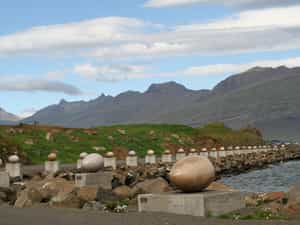
    Djúpivogur sits beside Berufjörður in East Iceland, where a compact harbour meets a broad sweep of mountains and sea. Across the water, the sharply formed Búlandstindur rises as the town’s unmistakable landmark. At the harbour, Eggin í Gleðivík displays 34 granite eggs, representing local nesting bird species. Langabúð, an 18th-century trading house, now houses a heritage museum and café. From here, follow the fjord road deeper into the Eastfjords.

  10. Day 11

    Seydisfjordur, Iceland

    Seyðisfjörður sits at the end of a deep fjord, framed by steep mountains and waterfalls. Its colorful wooden houses and blue church give the small town a character unlike Iceland’s larger ports. Walk the rainbow-painted street, visit the Skaftfell arts centre, or follow trails toward nearby cascades. The road over Fjarðarheiði offers wide views, though weather can change quickly. Here, East Iceland feels close, quiet, and distinctly local.

  11. Day 12

    Akureyri, Iceland

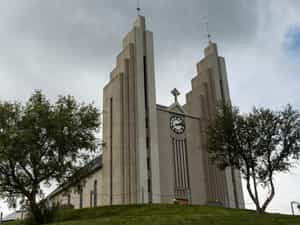
    Akureyri sits at the head of Eyjafjörður, Iceland’s longest fjord, with mountains rising beyond its compact harbour. Walk uphill to Akureyrarkirkja, then browse cafés and shops along Hafnarstræti. The town’s botanical garden grows thousands of plant varieties despite its northern latitude. From the waterfront, boats head out to watch whales. Road trips reach Goðafoss and the volcanic landscapes around Lake Mývatn. Akureyri rewards a day spent both in town and beyond.

  12. Day 13

    Isafjordur, Iceland

    Ísafjörður is the Westfjords’ principal town, set between a sheltered harbor and steep, often snow-streaked mountains. Walk its compact center to see colorful timber houses, then visit the Westfjords Heritage Museum in the historic harbor district. Its exhibits trace the fishing trade that shaped life along Iceland’s remote western coast. Beyond town, dramatic fjord scenery unfolds along winding roads. With a full day ashore, consider the drive to Dynjandi, one of the region’s most striking waterfalls.

  13. Day 14

    Reykjavik, Iceland

    Reykjavík is a capital with one foot in the wild. The Atlantic frames the city, volcanic mountains rise on the horizon, and geothermal water warms its pools. Start at Hallgrímskirkja, whose tower commands broad views, then walk down to the harbor and Harpa concert hall. Cafés, design shops, and museums make the compact center easy to explore on foot. Beyond town, geysers and waterfalls make a striking day trip; return for a soak in a neighborhood pool.

Oceania Marina Cruises

Published September 17, 2026
Last updated October 3, 2026
Author: J. Richard


Cruise Disclosure

Good to know: Prices are quoted per person based on double occupancy and include all applicable taxes and fees. Availability and prices can change quickly, so please continue through the booking process to confirm the latest availability and pricing before you pay.

We work hard to make sure everything on this website is accurate and up to date. However, some information may be incomplete or inaccurate, including details supplied by third parties or otherwise outside our control, and we cannot be held responsible for such errors. We work with 41 cruise line operators, that are providing cruises on 585 ships visiting 1,731 ports across 7,194 unique cruises, creating 13,822 itineraries. This is a great deal of data to continually update daily from our suppliers. If a pricing error, misrepresentation, or omission occurs, we reserve the right to adjust the pricing, correct the information, or cancel or decline any booking made in error, with notice to you. Thank you for your understanding!