Portugal Cruise from Lisbon to Trieste — 27 Days

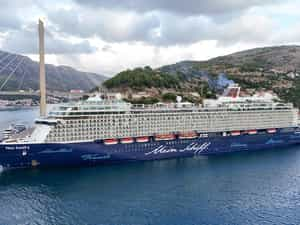
26 nights · Portugal · Departs Lisbon (Portugal) · Visiting Portimao, Cadiz, Motril, Alicante, Barcelona, Sete, Saint-Tropez, Golfo Aranci, Cagliari, La Goulette-Tunis, Palermo, Sorrento, Civitavecchia-Rome, Salerno, Messina, Valletta, Piraeus-Athens, Katakolon, Corfu Island, Kotor, Dubrovnik, Zadar, Rijeka, Trieste · Aboard Oceania Cruises on the Oceania Marina

Oceania Cruises logo
Cruise lineOceania Cruises
ShipOceania Marina
Duration26 nights
Port calls25
Departures1 sailings
From fare$8,099 per person
Year built2011
Guests1447
Cabins629
Crew800
Length251 m
Beam32 m
Cruising speed20.0 kn
  1. Day 1

    Lisbon, Portugal

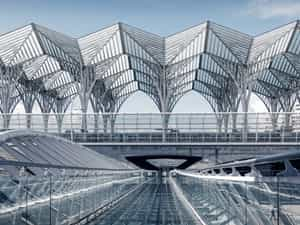
    Lisbon is a city best approached with time and comfortable shoes. Its seven hills rise above the Tagus, linking tiled lanes, grand squares and viewpoints with wide river views. In Alfama, narrow streets preserve the feel of old Lisbon. In Belém, the Jerónimos Monastery and Tower recall Portugal’s age of discovery. Pause for coffee and a warm pastel de nata between sights.

  2. Day 2

    Portimao, Portugal

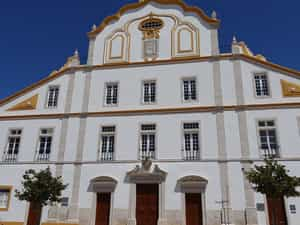
    Portimão sits where the Arade River meets the Atlantic, in Portugal’s sunlit Algarve. From the quay, Praia da Rocha’s ochre cliffs and broad sands are close at hand. In the old town, tiled façades and cafés frame the Igreja de Nossa Senhora da Conceição. Choose fresh sardines at the waterfront, or cross the river to Ferragudo for a quieter village view. Portimão makes an easy base for exploring the Algarve’s coast without sacrificing a genuine working-town feel.

  3. Day 3

    Cadiz, Spain

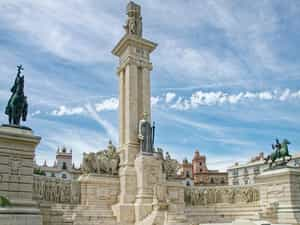
    Cádiz is one of Europe’s oldest continuously inhabited cities, set on a narrow peninsula where Atlantic light reaches every street. Its compact old quarter is made for unhurried exploration, with watchtowers, shaded plazas and the cathedral’s golden dome. At the Mercado Central, fishmongers display the day’s catch; nearby taverns serve fino sherry and local seafood. Beyond the walls, La Caleta beach and the seafront promenade offer a bracing taste of Cádiz’s maritime life.

  4. Day 5

    Motril, Spain

    Motril is a working port on Granada’s Mediterranean coast, backed by the foothills of the Sierra Nevada. It puts the Alhambra and historic centre of Granada within reach, as well as the white villages of the Alpujarras. In town, explore Motril’s sugar-cane legacy, browse local produce, and sample seafood from the Costa Tropical. For a slower day, beaches and palm-lined promenades keep the coast close.

  5. Day 6

    Alicante, Spain

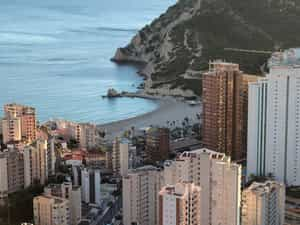
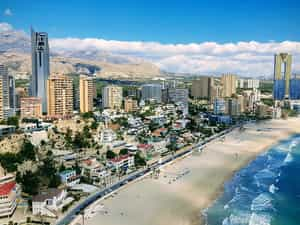
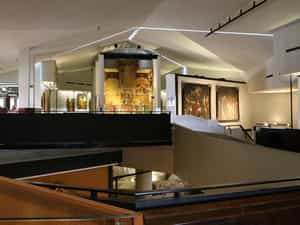
    Alicante makes a graceful first impression: its Mediterranean harbour opens onto a lively, walkable city centre. Ride the lift to Santa Bárbara Castle, perched on Mount Benacantil, for sweeping views across rooftops and sea. Below, old-quarter lanes lead to the Basilica of Santa Maria and the Co-Cathedral of Saint Nicholas. Stroll the palm-lined Explanada de España, then try turrón, Alicante’s famed almond-and-honey confection. Beaches, cafés and the Archaeological Museum offer rewarding stops within easy reach of the harbour.

  6. Day 7

    Barcelona, Spain

    Barcelona is a Mediterranean port city built on Roman foundations, with Gothic lanes and striking modernist architecture. La Rambla runs from Plaça de Catalunya towards the waterfront and the old town. Gaudí’s Sagrada Família and Park Güell show the city at its most distinctive. Set aside time for a market lunch and a walk through El Born, where medieval streets meet lively cafés. Barcelona’s beaches offer a welcome pause between visits.

  7. Day 8

    Sete, France

    Sète is France’s working Mediterranean port, set between the sea and the vast Étang de Thau. Canals cross the centre, alongside fishing boats, cafés and a covered market. Ride or walk up Mont Saint-Clair for broad views across the harbour, lagoons and coast. Sample oysters from nearby Bouzigues or choose the day’s catch at a port-side restaurant. Museums honour poet Paul Valéry and singer Georges Brassens, both born here, adding cultural depth to this lively port.

  8. Day 9

    Saint-Tropez, France

    Saint-Tropez is more than a name on a yacht’s bow. Its Vieux Port remains active with fishing boats and pleasure craft. Ochre façades and narrow lanes lead into the old town. Climb to the 17th-century citadel for sea views and the Maritime History Museum. At Place des Lices, cafés and plane trees frame local life. Pampelonne’s celebrated beaches lie a short drive away.

  9. Day 10

    Golfo Aranci, Italy

    Golfo Aranci puts northeastern Sardinia within easy reach, with Olbia about 15 kilometres inland and the Costa Smeralda farther north. Yet this working ferry town rewards a slower start: its waterfront, small harbour and clear-water beaches are close at hand. The marine reserve around Tavolara and Molara makes boat excursions a compelling choice, especially for swimmers and snorkellers. Come ashore for northern Sardinia’s pleasures, then choose a beach, a boat trip or a drive towards the coast.

  10. Day 11

    Cagliari, Italy

    Cagliari rewards those who look beyond the waterfront. Sardinia’s capital rises above the Gulf of Angels, its old Castello quarter perched over a working port. Walk the bastions for broad views, then explore the Roman amphitheatre carved into limestone. Below town, Poetto’s long beach meets salt lagoons where flamingos feed. Return for fregola with seafood or bottarga, the island’s prized cured mullet roe.

  11. Day 12

    La Goulette-Tunis, Tunisia

    La Goulette is Tunisia’s principal cruise gateway, set on the Mediterranean just northeast of Tunis. The capital’s old medina, Carthage’s ruins and Sidi Bou Said’s white-and-blue lanes are all within reach. Choose Roman history, Ottoman-era streets or cafés overlooking the sea. Plan around traffic: these sights lie in different directions, and each merits an unhurried visit.

  12. Day 13

    Palermo, Italy

    Palermo rewards curious travellers with a vivid mix of Arab-Norman architecture, lively markets and Sicilian cooking. Start at the cathedral, where Norman, Gothic and Baroque details reflect the city’s layered past. Then walk through the Capo market or visit the Palatine Chapel, famed for its Byzantine mosaics. Leave time for pasta con le sarde or arancini; Palermo’s strongest impressions often arrive at the table.

  13. Day 14

    Sorrento, Italy

    Sorrento rises above the Bay of Naples, facing Mount Vesuvius across water busy with ferries. From here, ferries connect with Capri, while the town rewards a slower day among old lanes, churches, and sea-view terraces. Follow the scent of citrus to shops selling Sorrento lemons, locally made limoncello, and finely crafted marquetry. Then pause over lunch: the region’s seafood and Campanian produce are best enjoyed without hurry.

  14. Day 15

    Civitavecchia-Rome, Italy

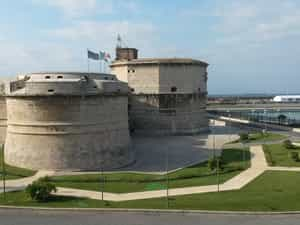
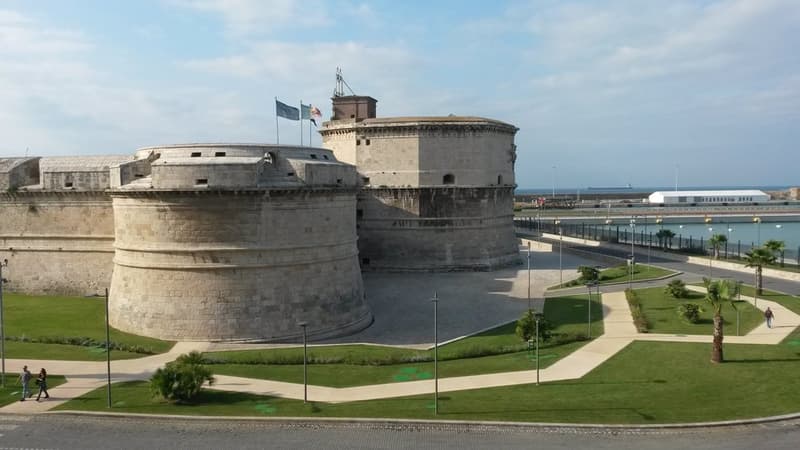
    Your ship docks at Civitavecchia, Rome’s seaport, about 50 miles northwest of the capital. Rome’s great monuments are within reach, but the port town rewards a closer look. Walk the waterfront to Forte Michelangelo, a 16th-century fortress begun under Pope Julius II; explore the old streets and market. Prefer a quieter day? The town’s seafront and nearby beaches offer an easy change of pace. Choose Rome for art and antiquity, or Civitavecchia for coastal life beyond the terminal.

  15. Day 16

    Salerno, Italy

    Salerno puts southern Italy within easy reach, with ferries and roads leading toward the Amalfi Coast. Yet the city rewards a closer look: its old lanes gather around the handsome Duomo di San Matteo. Inside, bronze doors and a richly decorated crypt recall Salerno’s medieval importance as a center of learning. Climb to Arechi Castle for broad views across the Gulf, or venture inland to the Greek temples at Paestum.

  16. Day 17

    Messina, Italy

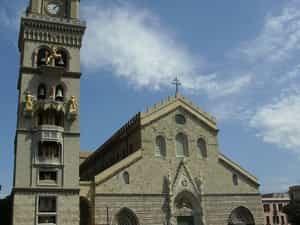
    Messina faces Calabria across the narrow Strait of Messina, with mainland Italy visible from its waterfront. At noon, figures move across the cathedral’s clock tower, a daily spectacle best seen from the square. Nearby, Montorsoli’s 16th-century Fountain of Orion rewards a closer look. Excursions reach Taormina and Mount Etna, but Messina’s compact center also merits an unhurried walk.

  17. Day 18

    Valletta, Malta

    Valletta makes a powerful first impression, its honey-coloured walls rising above Grand Harbour. Founded by the Knights of St John in 1566, Malta’s compact capital rewards exploration on foot. Enter St John’s Co-Cathedral for Caravaggio’s monumental paintings, then follow Republic Street to cafés, palaces and the Upper Barrakka Gardens. From the terraces, watch ferries cross the harbour and look towards the Three Cities. Allow time for steep lanes and quiet side streets.

  18. Day 20

    Piraeus-Athens, Greece

    Piraeus is Athens’ working harbour, not a resort port—and that is its appeal. From here, the capital’s ancient landmarks are within reach, while the waterfront keeps its own busy, distinctly Greek character. Visit the Archaeological Museum of Piraeus, then linger over grilled fish in Mikrolimano, a small harbour lined with tavernas. Metro connections make central Athens straightforward. Or stay near the water and watch ferries depart for the islands.

  19. Day 21

    Katakolon, Greece

    Katakolon is a compact seaside port on the western Peloponnese, with cafés and shops lining its waterfront. Most visitors come for ancient Olympia, about 35 kilometres inland and readily reached by road. There, the sanctuary, archaeological museum and ancient stadium bring the story of the Olympic Games into focus. Back in Katakolon, allow time for a stroll along the harbour before returning to your ship.

  20. Day 22

    Corfu Island, Greece

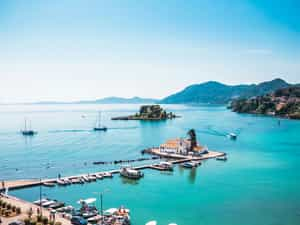
    Corfu rewards visitors who look beyond the beach resorts. Its Old Town, a UNESCO World Heritage site, bears the marks of centuries of Venetian rule. Walk the arcaded Liston, then climb to the Old Fortress for views across the rooftops and Ionian Sea. Beyond town, cypress-lined roads lead to Paleokastritsa’s coves, while the Achilleion palace recalls an imperial past. Allow time for lunch; Corfiot cooking pairs Ionian seafood with Italian and Greek influences.

  21. Day 23

    Kotor, Montenegro

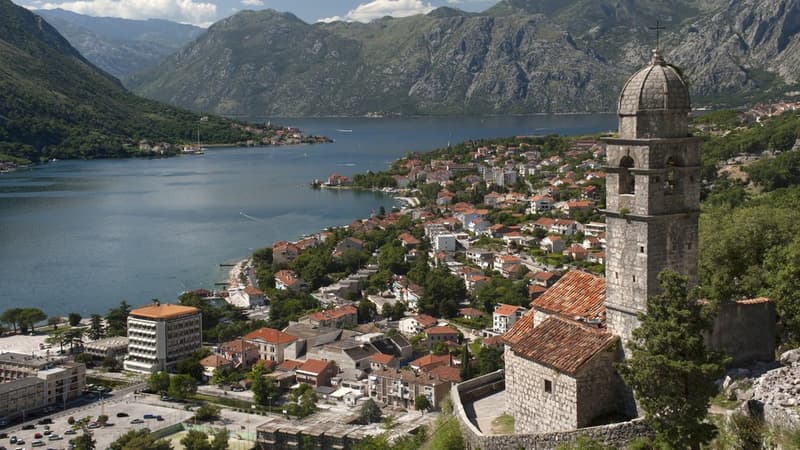
    At the head of Montenegro’s Bay of Kotor, the old town sits beneath steep mountains. Enter through the Sea Gate and follow stone lanes to St Tryphon’s Cathedral. Venetian-era walls frame squares, churches, and cafés within a compact UNESCO-listed center. For a broader view, climb toward San Giovanni Fortress; the steps are demanding. Take water and allow time for the ascent, especially in summer heat. From the harbor, the bay’s changing light makes a memorable arrival and departure.

  22. Day 24

    Dubrovnik, Croatia

    Spend a day inside Dubrovnik’s UNESCO-listed Old Town, best explored on foot. Walk the city walls for close views of fortifications, roofs, and harbor. Then follow Stradun to Rector’s Palace and the Franciscan monastery. Book wall access in advance during busy months, and start early in summer. Mount Srđ offers a higher view, reached by cable car or road. Leave time for side lanes; their quieter corners reveal the city’s daily rhythm.

  23. Day 25

    Zadar, Croatia

    Zadar pairs a compact old town with a clear Adriatic setting. Roman streets, Venetian gates and medieval churches tell the story of a city shaped by centuries of trade. On the seafront, the Sea Organ turns waves into music through stone pipes. Nearby, the Sun Salutation gathers solar energy and shines after dark. Beyond the walls, Nin’s salt pans and the island-dotted coast reward a closer look.

  24. Day 26

    Rijeka, Croatia

    Rijeka is Croatia’s working seaport, set at the head of the Kvarner Gulf beneath steep green hills. From the quays, Austro-Hungarian façades and lively Korzo make a compelling first encounter. Visit the Central Market for local produce, then head to hilltop Trsat Castle for views across the harbor and islands. Beyond the waterfront, Roman remains, grand civic buildings, and everyday cafés reveal a city shaped by many eras.

  25. Day 27

    Trieste, Italy

    Trieste rewards travellers who look beyond the waterfront. At the head of the Adriatic, this Italian city carries the marks of centuries under Habsburg rule. Start in Piazza Unità d’Italia, one of Europe’s largest seafront squares, opening directly onto the sea. Visit Miramare Castle, built for Archduke Ferdinand Maximilian, then order espresso in a city shaped by its coffee trade. Trieste is compact and cosmopolitan, with a Roman theatre and grand cafés recalling its Central European past.

Oceania Marina Cruises

Published September 3, 2026
Last updated October 3, 2026
Author: J. Richard


Cruise Disclosure

Good to know: Prices are quoted per person based on double occupancy and include all applicable taxes and fees. Availability and prices can change quickly, so please continue through the booking process to confirm the latest availability and pricing before you pay.

We work hard to make sure everything on this website is accurate and up to date. However, some information may be incomplete or inaccurate, including details supplied by third parties or otherwise outside our control, and we cannot be held responsible for such errors. We work with 41 cruise line operators, that are providing cruises on 585 ships visiting 1,731 ports across 7,194 unique cruises, creating 13,822 itineraries. This is a great deal of data to continually update daily from our suppliers. If a pricing error, misrepresentation, or omission occurs, we reserve the right to adjust the pricing, correct the information, or cancel or decline any booking made in error, with notice to you. Thank you for your understanding!