| Cruise line | Oceania Cruises |
|---|---|
| Ship | Oceania Vista |
| Duration | 64 nights |
| Port calls | 48 |
| Departures | 1 sailings |
| Year built | 2023 |
| Guests | 1469 |
| Cabins | 613 |
| Crew | 800 |
| Length | 251 m |
| Beam | 32 m |
| Cruising speed | 20.0 kn |
Loading map…
64 nights · England · Departs Southampton · Visiting Leith-Edinburgh, Invergordon, Kirkwall, Isle of Skye, Greenock-Glasgow, Belfast, Dublin, Cobh-Cork, Le Havre-Paris, Dover, Zeebrugge, Amsterdam, Kristiansand, Oslo, Aarhus, Kiel, Helsingborg, Copenhagen, Warnemunde-Rostock, Bornholm Island Denmark, Gdynia-Gdansk, Klaipeda, Liepaja, Riga, Tallinn, Helsinki, Stockholm, Visby, Karlskrona, Goteborg, Haugesund, Flam, Bergen, Alesund, Seydisfjordur, Akureyri, Isafjordur, Reykjavik, Grundarfjordur, Paamiut, Nuuk, Corner Brook NL, Prince Edward Island, Sydney NS, Halifax, Boston, New York · Aboard Oceania Cruises on the Oceania Vista

Image courtesy of Oceania Cruises ©
| Cruise line | Oceania Cruises |
|---|---|
| Ship | Oceania Vista |
| Duration | 64 nights |
| Port calls | 48 |
| Departures | 1 sailings |
| Year built | 2023 |
| Guests | 1469 |
| Cabins | 613 |
| Crew | 800 |
| Length | 251 m |
| Beam | 32 m |
| Cruising speed | 20.0 kn |
Southampton is a working port with a rich maritime past. Walk its medieval city walls, then visit SeaCity Museum, where exhibits explore the city’s connection to the Titanic. The Mayflower began its 1620 voyage from Southampton, and the Titanic sailed from here in 1912. Beyond the waterfront, the New Forest’s heathland and Winchester’s cathedral make rewarding excursions.
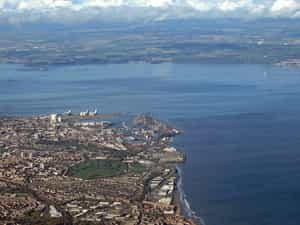
Leith brings Edinburgh within reach, but rewards those who stay by the water. Once a working port, this lively district pairs maritime history with independent restaurants, galleries and a strong local character. At Ocean Terminal, step aboard the Royal Yacht Britannia, the former royal residence now open to visitors. Trams and buses connect you with the capital: Edinburgh Castle, its museums and Georgian streets make an easy day ashore.
Invergordon sits on the Cromarty Firth, where the Highlands meet a deep-water estuary shaped by centuries of maritime history. From the quayside, travel to Inverness, Culloden Battlefield or Loch Ness. Each offers a distinct view of Highland history and landscape. Closer to port, Invergordon’s murals tell local stories, while the waterfront reflects the town’s enduring connection to the sea.
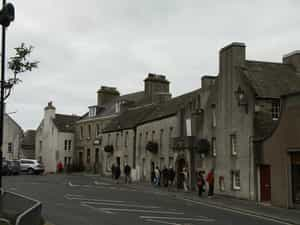
Kirkwall is Orkney’s compact capital, where Norse history remains part of everyday life. Begin at St Magnus Cathedral, a striking red-sandstone landmark founded in 1137. Nearby, the ruins of the Earl’s and Bishop’s palaces reveal the power once held here. Beyond town, prehistoric sites such as Skara Brae and the Ring of Brodgar make a compelling excursion. Leave time for the harbor, local shops, and a dram of island whisky.
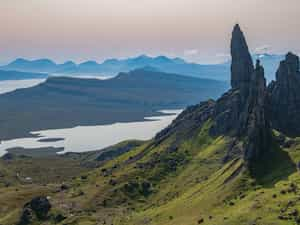
Skye is Scotland at its most elemental: dark Cuillin peaks, sea-lochs and cliffs shaped by Atlantic weather. From Portree, the island’s principal town, roads lead to landmarks including the Old Man of Storr and Kilt Rock. Allow time for the journey: distances are modest on a map, but narrow roads and changing weather slow the pace. Come for walking, Highland history and views that shift with every turn; Skye is best experienced without a hurried schedule.
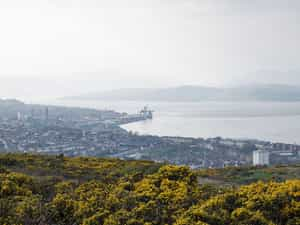
Greenock places you on the broad Firth of Clyde, with the hills of Argyll rising across the water. Once a shipbuilding and trading powerhouse, this port rewards a closer look at its waterfront. The neoclassical Custom House, built between 1818 and 1822, is one of Scotland’s finest examples of its kind. Glasgow’s museums and architecture are within reach, while the Clyde coast offers quieter views and small-town stops.
Belfast pairs a proud maritime past with a lively, walkable centre. At Titanic Belfast, the story of the famous liner unfolds beside the shipyard where she was built. Nearby, grand City Hall and the Cathedral Quarter reveal different sides of the city, from civic confidence to café-lined lanes. Across west Belfast, political murals offer a vivid perspective on its recent history. With the Giant’s Causeway within reach, Belfast also makes a compelling starting point for Northern Ireland’s dramatic coast.
Dublin is a city best explored on foot, where Georgian squares, lively lanes and centuries of history sit close together. From Dublin Port, the centre is a short drive away, making a day ashore easy to shape. See the Book of Kells at Trinity College, then trace the Liffey through the city centre. A pint in a traditional pub is an invitation to linger.
Cork is Ireland’s most independent-minded city, built on islands in the River Lee and shaped by its maritime past. Most cruise ships berth at Cobh, a handsome harbour town about 15 miles from Cork. A direct railway connects the two. Browse the English Market, visit St Fin Barre’s Cathedral, or seek out the city’s cafés and pubs. Allow time for Blarney Castle, a short drive away.
Le Havre is more than a gateway to Normandy; it is a city worth seeing in its own right. Rebuilt after wartime destruction under architect Auguste Perret, its striking concrete centre earned UNESCO World Heritage status. Visit the Musée d’Art moderne André Malraux for an exceptional collection of Impressionist paintings, then walk the seafront. Beyond the city, Normandy offers medieval Honfleur, the D-Day landing sites and the abbey at Mont-Saint-Michel.
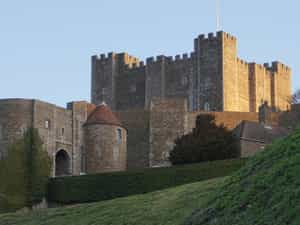
Dover is a working Channel port, but its appeal begins before you leave the harbour. Above the waterfront, Dover Castle has watched over the Strait for centuries, with Roman, medieval and wartime history to explore. Walk the clifftop paths for views across the water. At Fan Bay, explore a wartime tunnel complex cut into the chalk. Inland, Canterbury offers a celebrated cathedral and a compact old centre.
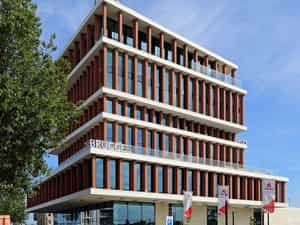
Zeebrugge is Belgium’s North Sea gateway, but Bruges is the reason many travellers come ashore. The medieval city lies about 17 kilometres inland, its canals, brick gables and market square remarkably intact. The coast has its own appeal: stroll the broad beach, watch fishing boats return, or find seafood near the harbour. Choose your day well, and you can pair Bruges’ rich history with the Flemish coast’s open skies and sea air.
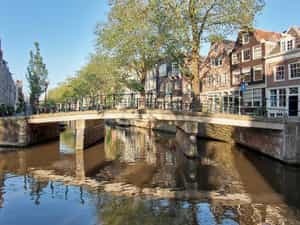
Amsterdam pairs world-class museums with the everyday pleasure of canal-side life. Its Golden Age houses, narrow waterways and lively markets make the city rewarding well beyond its famous sights. Visit the Rijksmuseum for Dutch masters, then explore the canal belt on foot or by boat. Leave time for a neighbourhood café: in Amsterdam, the best discoveries often come between the landmarks.
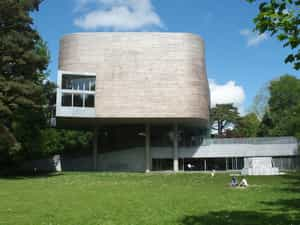
Kristiansand is southern Norway at an easy pace, with a handsome harbour and a compact centre made for walking. Founded in 1641 by King Christian IV, Kristiansand’s grid still shapes Kvadraturen, its compact central district. Posebyen’s quiet lanes are lined with white wooden houses, part of one of northern Europe’s largest collections. Follow the waterfront to Fiskebrygga, where fish counters and restaurants make an easy lunch stop. Kilden, the city’s waterfront concert hall, adds a bold modern note.
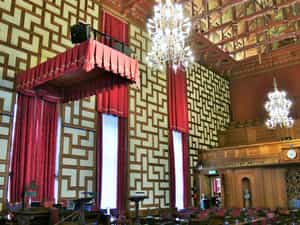
Oslo rewards curious travellers with a rare balance of grand history, modern design and easy access to nature. From the harbour, walk to City Hall, the Nobel Peace Center and Akershus Fortress, whose ramparts overlook the fjord. Across the water, Bygdøy gathers standout museums, including the Fram Museum and Norwegian Folk Museum. Save time for the Opera House, where a public roof offers a striking view over the city and Oslofjord.
Arrive in Aarhus, Denmark’s second-largest city, where a waterfront meets one of Scandinavia’s most rewarding cultural scenes. From the port, the compact centre is easy to explore on foot. See the Gothic cathedral, browse the Latin Quarter’s independent shops, then visit ARoS for its rooftop panorama. At Den Gamle By, historic Danish streets and interiors bring everyday life across centuries into view. Choose Aarhus for a day with substance: excellent museums, good design, and lively café culture.
Kiel faces the Baltic at the western end of Kiel Fjord, where Germany’s great ship canal begins. This working maritime city rewards a waterfront stroll, with ferries, sailboats and cargo ships sharing the harbor. From central cruise berths, the old town, St. Nicholas Church and City Hall are within easy reach. For a closer look at naval history, take the short trip to Laboe’s memorial and preserved U-boat.
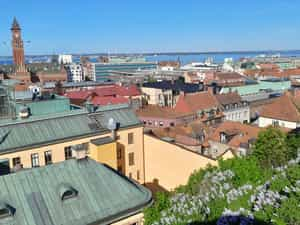
Helsingborg sits on Sweden’s narrow Öresund strait, with Denmark visible across the water. Its compact centre rewards a walk. Medieval Kärnan tower rises above the harbour, while grand terraces lead towards ferries and cafés. Take the short crossing to Helsingør, or stay for Sofiero Palace and its celebrated gardens. For a port day, Helsingborg offers an easy choice between Swedish city life, coastal scenery and a second country.
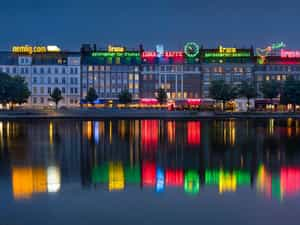
Copenhagen is best explored at street level, where royal history meets modern design. At Nyhavn, colorful harbor-front houses frame canal tours; nearby Amalienborg Palace is the monarch’s winter residence. Christiansborg Palace combines Denmark’s parliament with historic royal rooms, while Christianshavn’s canals reveal a quieter side. Pause for smørrebrød, the open-faced rye-bread staple, and explore the city’s design shops before returning to port.
Warnemünde brings the Baltic close, with sandy beaches and a working harbour beside the cruise pier. Follow the Alter Strom, where fishing boats share the waterway with cafés and old captains’ houses. Climb the 1898 lighthouse for a clear view over the coast, or catch a train to Rostock’s brick Gothic centre. This is a port best explored at your own pace.
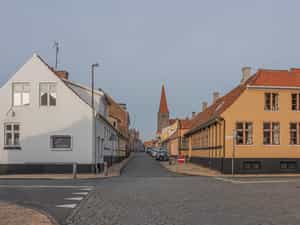
Bornholm lies in the Baltic Sea, closer to Sweden than mainland Denmark. Rønne, its principal port, opens onto an island of granite cliffs, sandy beaches and quiet farmland. Visit Hammershus, northern Europe’s largest medieval castle ruin, or seek out Bornholm’s distinctive round churches. In Gudhjem, smokehouses serve the local specialty: smoked herring. Bornholm rewards unhurried exploration, with striking coastlines and Danish character within easy reach.
Gdańsk pairs a Hanseatic waterfront with a history that shaped modern Europe. Follow the Royal Route to the Long Market, where Neptune’s Fountain anchors the old town. St Mary’s Church rises above streets rebuilt after the Second World War. At the European Solidarity Centre, learn how the 1980 shipyard strike helped weaken communist rule. Amber shops and waterfront cafés offer an easy pause between landmarks.
Klaipėda is Lithuania’s Baltic port, where maritime history meets an unexpectedly handsome old town. Its half-timbered warehouses and narrow lanes recall centuries of trade under Prussian rule. Ferries cross the lagoon to the Curonian Spit, a UNESCO-listed sweep of dunes, pine woods and fishing villages. Stay in town for museums and cafés, or make the crossing for a striking day outdoors.
Liepāja is Latvia’s Baltic city of sea air, music and unexpected history. Begin in Karosta, the former naval base, and visit the monumental St Nicholas Naval Cathedral. The former military prison offers a sobering glimpse of life under successive regimes. Then trade barracks for Liepāja’s broad sandy beach, or follow the city’s musical thread at its concert hall, Great Amber.
Riga rewards a day ashore with a compact UNESCO-listed Old Town and one of Europe’s richest Art Nouveau districts. Begin at the House of the Blackheads, then follow cobbled lanes to Riga Cathedral and the riverfront. Across the canal, Alberta Street displays ornate façades that made the city a landmark of early twentieth-century design. For local life, browse Riga Central Market, set in former Zeppelin hangars near the Daugava.
Step ashore in Tallinn, where medieval towers rise above a Baltic capital built for curious walkers. Within the UNESCO-listed Old Town, cobbled lanes lead to merchant houses, church spires and Town Hall Square. Climb Toompea for views across red roofs and the Gulf of Finland; explore cafés and galleries beyond the walls. Tallinn rewards a day on foot, with history close at hand and a distinctly modern pulse.
Helsinki is a compact capital where Nordic design, sea air and neoclassical grandeur meet within easy reach of the harbour. Begin at Senate Square, framed by the white Helsinki Cathedral and elegant buildings shaped by architect Carl Ludvig Engel. At the Old Market Hall, Finnish rye bread, smoked fish and seasonal berries offer a taste of local life. With time to spare, take the ferry to Suomenlinna, a UNESCO-listed sea fortress spread across six islands.
Stockholm rewards the curious with a capital spread across 14 islands, where Lake Mälaren meets the Baltic Sea. From the waterfront, ferries and bridges lead to Gamla Stan’s narrow lanes, the Royal Palace, and the Nobel Prize Museum. Visit the Vasa Museum to see a 17th-century warship recovered from the harbor. Then pause for coffee in a city where water, design, and history shape everyday life.
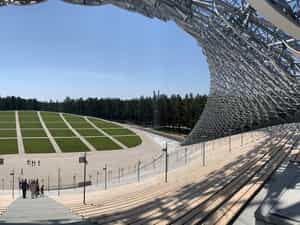
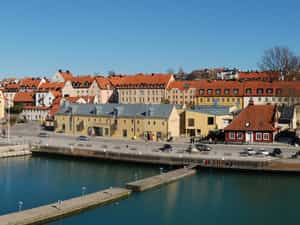
On Gotland’s western shore, Visby makes a striking first impression with its medieval walls and Baltic setting. Inside the ring wall, cobbled lanes lead past merchants’ houses, church ruins and rose-filled gardens. Once a powerful Hanseatic port, the town is now a UNESCO World Heritage Site, best explored on foot. Pause at St Mary’s Cathedral, then follow the ramparts for broad views over rooftops and sea. Visby rewards a slow walk, with island scenery just beyond the walls.
Arrive in Karlskrona and Sweden’s naval story comes into sharp focus. Founded in 1680 as a strategic naval base, the city spreads across islands in the Blekinge archipelago. Its UNESCO-listed Naval Port preserves shipyards, fortifications and the traditions of a working fleet. On land, handsome Stortorget and the Admiralty Church reward an unhurried walk, while the Naval Museum traces centuries of seafaring. Here, history is not staged; it remains part of the harbor’s daily life.
Copenhagen is best explored at street level, where royal history meets modern design. At Nyhavn, colorful harbor-front houses frame canal tours; nearby Amalienborg Palace is the monarch’s winter residence. Christiansborg Palace combines Denmark’s parliament with historic royal rooms, while Christianshavn’s canals reveal a quieter side. Pause for smørrebrød, the open-faced rye-bread staple, and explore the city’s design shops before returning to port.
Gothenburg, Sweden’s second-largest city, faces the Kattegat from a working west-coast harbour. Dutch-designed canals frame grand squares and Haga’s 19th-century wooden houses. At the waterfront, seafood is a serious business; the city’s celebrated fish market and restaurants showcase the North Sea catch. Beyond the centre, ferries connect with islands of the southern archipelago, an easy excursion from town. Come for the harbour, stay for a city that makes Scandinavian design and maritime heritage part of daily life.
Haugesund sits between the North Sea and the sheltered waters of Karmsundet, where Norway’s maritime story feels close at hand. The town grew on herring and shipping, and its waterfront retains a working-port character. Walk Haraldsgata for cafés and shops, then visit Haraldshaugen, a monument commemorating King Harald Fairhair. Across the sound, Avaldsnes offers a closer look at Norway’s Viking-age past.
Flåm sits at the head of Aurlandsfjord, where sheer mountain walls rise above a small Norwegian village. From the quay, the Flåm Railway climbs 20 kilometres to Myrdal, passing waterfalls, farms and a deep valley. Take the train for the drama; take a fjord cruise to grasp the scale. Nearby, Nærøyfjord’s UNESCO-listed waters narrow between cliffs, while walking paths lead into quiet valleys. Flåm rewards an early start: the best views begin just beyond the village.
Set between seven mountains and the North Sea, Bergen makes a graceful introduction to Norway’s western fjords. Its handsome harbour, Bryggen’s timber wharf and the fish market sit close together, easily explored on foot. Ride the Fløibanen funicular for a clear view across the city and islands, then linger over fresh seafood. Bergen is compact, cultured and an ideal place to begin a journey into fjord country.
Ålesund makes an immediate impression: its waterfront is lined with Art Nouveau buildings, rebuilt after a devastating fire in 1904. Beyond the elegant façades, this is a working Norwegian port framed by islands and steep mountain peaks. Climb the 418 steps to Mount Aksla for a sweeping view across the town and Sunnmøre Alps. Then visit the Atlantic Sea-Park, one of Northern Europe’s largest saltwater aquariums.
Seyðisfjörður sits at the end of a deep fjord, framed by steep mountains and waterfalls. Its colorful wooden houses and blue church give the small town a character unlike Iceland’s larger ports. Walk the rainbow-painted street, visit the Skaftfell arts centre, or follow trails toward nearby cascades. The road over Fjarðarheiði offers wide views, though weather can change quickly. Here, East Iceland feels close, quiet, and distinctly local.
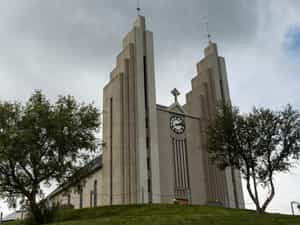
Akureyri sits at the head of Eyjafjörður, Iceland’s longest fjord, with mountains rising beyond its compact harbour. Walk uphill to Akureyrarkirkja, then browse cafés and shops along Hafnarstræti. The town’s botanical garden grows thousands of plant varieties despite its northern latitude. From the waterfront, boats head out to watch whales. Road trips reach Goðafoss and the volcanic landscapes around Lake Mývatn. Akureyri rewards a day spent both in town and beyond.
Ísafjörður is the Westfjords’ principal town, set between a sheltered harbor and steep, often snow-streaked mountains. Walk its compact center to see colorful timber houses, then visit the Westfjords Heritage Museum in the historic harbor district. Its exhibits trace the fishing trade that shaped life along Iceland’s remote western coast. Beyond town, dramatic fjord scenery unfolds along winding roads. With a full day ashore, consider the drive to Dynjandi, one of the region’s most striking waterfalls.
Reykjavík is a capital with one foot in the wild. The Atlantic frames the city, volcanic mountains rise on the horizon, and geothermal water warms its pools. Start at Hallgrímskirkja, whose tower commands broad views, then walk down to the harbor and Harpa concert hall. Cafés, design shops, and museums make the compact center easy to explore on foot. Beyond town, geysers and waterfalls make a striking day trip; return for a soak in a neighborhood pool.
Grundarfjörður sits on the north shore of Iceland's Snæfellsnes peninsula, a fishing village beneath steep mountains. Its signature sight is Kirkjufell, a 463-metre peak shaped like an arrowhead. Walk or drive to Kirkjufellsfoss, where cascades frame the mountain. Further west, Snæfellsjökull glacier crowns a volcano and the national park around it. Weather changes quickly here, so bring warm, waterproof layers. Come for scale, silence and light.
Paamiut lies on Greenland’s southwest coast, between Nuuk and Qaqortoq, beneath steep mountains. Founded in 1742, this small fishing town remains shaped by the sea. Brightly painted homes rise above the harbor, while a handsome wooden church anchors the centre. Watch for whales offshore, then look inland to the fjords and peaks of Sermersooq. Greenland’s towns have no road links, so arrival by ship offers a close-up encounter with life on this remote coast.
Nuuk is Greenland’s capital, where Arctic scale meets the pace of a working town. Set beside the vast Nuuk Fjord, it pairs brightly painted houses with modern architecture and a lively harbor. Visit the Greenland National Museum to see the 500-year-old Qilakitsoq mummies and objects tracing Inuit life. Then look toward Sermitsiaq, the landmark mountain rising beyond the water. Nuuk rewards travelers seeking Greenlandic culture alongside its dramatic landscapes.
Corner Brook sits on Newfoundland’s west coast, where the Humber River meets the sheltered Bay of Islands. From the harbour, the city rises toward forested hills, with the Long Range Mountains setting a dramatic inland horizon. Explore the Captain James Cook Historic Site, follow riverside trails, or venture to nearby Marble Mountain. Corner Brook rewards curious travellers with rugged scenery and a working city’s unvarnished character.
Charlottetown is a compact capital with a claim to Canadian history: delegates met here in 1864 to discuss Confederation. Brick storefronts, leafy streets and a working waterfront make its centre easy to explore on foot. See Province House, where the conference began, then browse Victoria Row’s boutiques and cafés. Beyond town, red-sand beaches and pastoral lanes reward a longer outing. Come for history; stay for Prince Edward Island’s pleasures.
Sydney is the working harbour at the heart of Cape Breton Island, where Gaelic, Acadian and Mi’kmaq histories meet. Walk the waterfront to see the Big Fiddle, then browse downtown shops and cafés along Charlotte Street. Beyond town, the reconstructed Fortress of Louisbourg brings 18th-century French colonial life into striking focus. Use Sydney as a base for Cape Breton’s coastal roads, where ocean views and small communities invite an unhurried day.
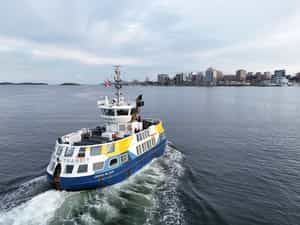
Halifax rewards visitors who begin on foot, where the harbourfront’s historic warehouses, boardwalk and seafood restaurants meet. Climb to the star-shaped Halifax Citadel for broad harbour views. At the Maritime Museum of the Atlantic, exhibits trace Nova Scotia’s seafaring past and Halifax’s connection to the Titanic. Beyond downtown, Peggy’s Cove pairs a working fishing village with a lighthouse set on wave-worn granite.
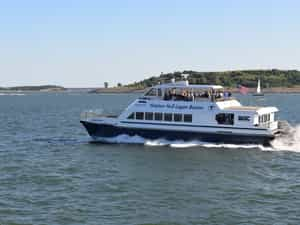
Boston rewards visitors who like their history close at hand and their cities easy to explore. From the waterfront, follow the Freedom Trail to landmarks of the American Revolution, including Faneuil Hall. Beacon Hill’s brick streets, the Public Garden and North End cafés reveal distinct sides of the city. Make time for harbor views and New England seafood; Boston’s pleasures are as tangible as its past. Its museums and universities give the compact city a lively, modern edge.
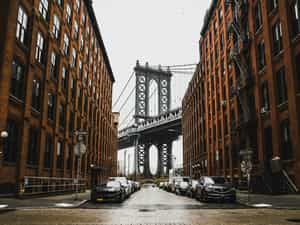
New York does not ease you in; it arrives in a sweep of skyline, river and restless energy. From the harbor, Manhattan’s towers frame a city built for walking, looking up and changing plans. Spend time among Central Park’s paths, Fifth Avenue’s museums and the neighborhoods that give each block its own character. Allow room for a classic meal, a Broadway curtain and the simple pleasure of watching the city move.
Published August 12, 2026
Last updated October 3, 2026
Author: J. Richard
Good to know: Prices are quoted per person based on double occupancy and include all applicable taxes and fees. Availability and prices can change quickly, so please continue through the booking process to confirm the latest availability and pricing before you pay.
We work hard to make sure everything on this website is accurate and up to date. However, some information may be incomplete or inaccurate, including details supplied by third parties or otherwise outside our control, and we cannot be held responsible for such errors. We work with 41 cruise line operators, that are providing cruises on 585 ships visiting 1,731 ports across 7,194 unique cruises, creating 13,822 itineraries. This is a great deal of data to continually update daily from our suppliers. If a pricing error, misrepresentation, or omission occurs, we reserve the right to adjust the pricing, correct the information, or cancel or decline any booking made in error, with notice to you. Thank you for your understanding!