BC Canada Cruise from Vancouver to Tokyo — 37 Days

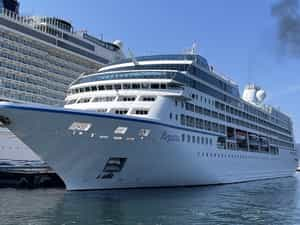
36 nights · BC Canada · Departs Vancouver (Canada) · Visiting Ketchikan, Sitka, Glacier Bay, Icy Strait Point, Haines, Juneau, Skagway, Wrangell AK, Prince Rupert BC, Alert Bay BC, Klawock AK, Kodiak Island, Dutch Harbor Unalaska, Kushiro City, Miyako-Iwate, Sendai, Hitachinaka, Tokyo · Aboard Seabourn Cruises on the Seabourn Encore

Seabourn Cruises logo
Cruise lineSeabourn Cruises
ShipSeabourn Encore
Duration36 nights
Port calls19
Departures1 sailings
From fare$17,594 per person
Year built2016
Guests638
Cabins266
Crew330
Length210 m
Beam28 m
Cruising speed19.0 kn
  1. Day 1

    Vancouver, Canada

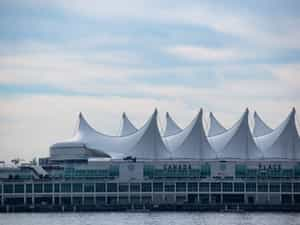
    Vancouver puts mountains, ocean and a working harbour within easy reach of the city centre. From the cruise terminal at Canada Place, walk to Gastown’s brick lanes, the waterfront and the shops of Robson Street. Stanley Park offers seawall views and towering cedars, while Granville Island brings a lively public market and artisan studios. Beyond downtown, ferries cross to North Vancouver, where the Capilano Suspension Bridge and mountain trails reveal the region’s wilder side.

  2. Day 3

    Ketchikan, USA

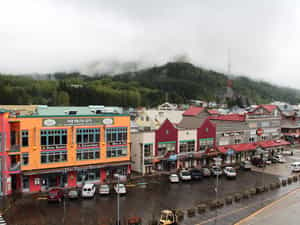
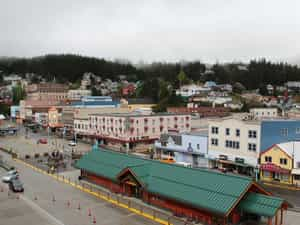
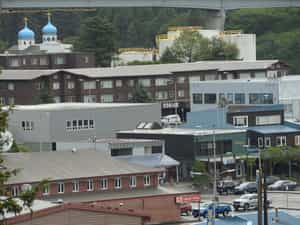
    Set on Revillagigedo Island in southeast Alaska, Ketchikan is a working fishing town framed by the Tongass National Forest. Its waterfront rises steeply above the Inside Passage, where fishing boats and floatplanes share the harbor. Walk Creek Street, a former red-light district built over Ketchikan Creek. At the Totem Heritage Center, see Tlingit, Haida, and Tsimshian art. For wilderness, boat or fly to Misty Fjords National Monument.

  3. Day 4

    Sitka, USA

    Set between forested mountains and the Pacific, Sitka occupies the west coast of Baranof Island in Southeast Alaska. Here, Tlingit history and Russian influence meet in a compact town reached chiefly by air or sea. Walk Sitka National Historical Park’s coastal trail among carved totem poles. The park interprets the 1804 conflict between Tlingit people and Russian forces. St. Michael’s Cathedral and the Sheldon Jackson Museum add depth, while nearby waters invite wildlife watching.

  4. Day 5

    Glacier Bay, USA

    Glacier Bay is Alaska at its most elemental: a vast marine wilderness where tidewater glaciers meet the sea. Cruise ships enter this protected national park, often with a park ranger aboard to interpret the landscape. Watch for calving ice, humpback whales, sea otters and bald eagles. The bay is also the ancestral homeland of the Huna Tlingit, whose connection to this changing coast reaches back generations. Bring binoculars, and stay on deck.

  5. Day 6

    Icy Strait Point, USA

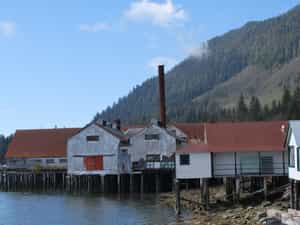
    Icy Strait Point sits beside Hoonah on Chichagof Island, Alaska. A restored salmon cannery anchors the waterfront, with exhibits, local shops and Tlingit cultural experiences. Whale-watching boats venture into Icy Strait, where humpbacks feed in summer and sea lions and eagles are often seen. Ashore, forest trails, a gondola and a long zipline offer a change of pace. Hoonah brings an authentic community within easy reach of the cruise dock.

  6. Day 7

    Haines, USA

    Haines occupies a striking position on Lynn Canal, where forested mountains rise straight from the water. Its compact streets lead to Fort William H. Seward, a restored military post with galleries, shops, and local history. Beyond town, the Chilkat Bald Eagle Preserve protects a major winter gathering place for bald eagles. Explore by road, river, or trail, with wildlife, Tlingit heritage, and expansive Alaskan scenery close at hand.

  7. Day 8

    Juneau, USA

    Juneau is Alaska’s capital, yet no road connects it to the rest of Alaska. Most visitors arrive by sea or air. Set between the Gastineau Channel and steep, forested mountains, the city makes an unusually compact base for exploring Southeast Alaska. From downtown, visit the Alaska State Museum, ride the Mount Roberts Tramway, or travel about 12 miles to Mendenhall Glacier. Whale-watching trips can reveal humpbacks feeding in nearby waters.

  8. Day 9

    Skagway, USA

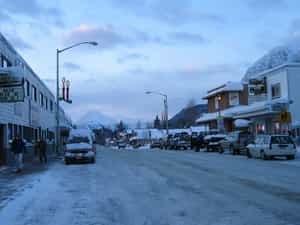
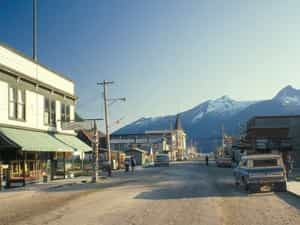
    Skagway is a small Alaska town with a large place in gold-rush history. In 1898, prospectors crowded its waterfront before setting out for the Klondike. Today, restored storefronts and wooden boardwalks preserve the feel of that hurried boomtown. The White Pass & Yukon Route climbs from the harbor through steep mountain scenery on a celebrated narrow-gauge railway. Beyond town, trails and glacier-fed rivers bring the scale of Alaska’s wilderness close.

  9. Day 10

    Glacier Bay, USA

    Glacier Bay is Alaska at its most elemental: a vast marine wilderness where tidewater glaciers meet the sea. Cruise ships enter this protected national park, often with a park ranger aboard to interpret the landscape. Watch for calving ice, humpback whales, sea otters and bald eagles. The bay is also the ancestral homeland of the Huna Tlingit, whose connection to this changing coast reaches back generations. Bring binoculars, and stay on deck.

  10. Day 11

    Wrangell AK, USA

    Wrangell occupies the northern tip of Wrangell Island, where the Stikine River meets the sea. Tlingit heritage and a layered past come into focus at Chief Shakes Island and the local museum. At Petroglyph Beach, ancient carvings appear between tides. In summer, boat trips reach Anan Wildlife Observatory, where bears gather to feed on salmon. Here, Indigenous history and untamed river country remain close at hand.

  11. Day 13

    Prince Rupert BC, Canada

    Prince Rupert sits on Kaien Island, where British Columbia’s Inside Passage meets the Pacific. Its working harbour, rain-dark forests and mountain-framed shoreline give this northern port a distinctly maritime character. The Museum of Northern BC presents the art and history of the Tsimshian peoples. Their presence here spans millennia. In Cow Bay, browse waterfront shops and taste local seafood, including the region’s celebrated wild salmon.

  12. Day 15

    Alert Bay BC, Canada

    Alert Bay sits on Cormorant Island, off northern Vancouver Island, where forested shores meet the sheltered waters of Johnstone Strait. Here, Kwakwaka’wakw culture is more than history: it shapes the community’s art, ceremony and public life. At the U’Mista Cultural Centre, see ceremonial regalia confiscated during Canada’s potlatch ban and later reclaimed. Around town, carved poles and the Big House offer a striking introduction to Indigenous traditions. In summer, boat trips may reveal orcas and other wildlife in the strait.

  13. Day 16

    Vancouver, Canada

    Vancouver puts mountains, ocean and a working harbour within easy reach of the city centre. From the cruise terminal at Canada Place, walk to Gastown’s brick lanes, the waterfront and the shops of Robson Street. Stanley Park offers seawall views and towering cedars, while Granville Island brings a lively public market and artisan studios. Beyond downtown, ferries cross to North Vancouver, where the Capilano Suspension Bridge and mountain trails reveal the region’s wilder side.

  14. Day 18

    Ketchikan, USA

    Set on Revillagigedo Island in southeast Alaska, Ketchikan is a working fishing town framed by the Tongass National Forest. Its waterfront rises steeply above the Inside Passage, where fishing boats and floatplanes share the harbor. Walk Creek Street, a former red-light district built over Ketchikan Creek. At the Totem Heritage Center, see Tlingit, Haida, and Tsimshian art. For wilderness, boat or fly to Misty Fjords National Monument.

  15. Day 19

    Klawock AK, USA

    On Prince of Wales Island, Klawock offers a close look at Alaska’s Tlingit culture and island life. At Totem Park, carved poles recall clan histories and the community’s deep roots. Beyond town, forested roads lead through the Tongass to fishing coves, quiet beaches, and views across the Inside Passage. Come ashore ready to slow down, meet a small island community, and see Southeast Alaska beyond its best-known ports.

  16. Day 20

    Sitka, USA

    Set between forested mountains and the Pacific, Sitka occupies the west coast of Baranof Island in Southeast Alaska. Here, Tlingit history and Russian influence meet in a compact town reached chiefly by air or sea. Walk Sitka National Historical Park’s coastal trail among carved totem poles. The park interprets the 1804 conflict between Tlingit people and Russian forces. St. Michael’s Cathedral and the Sheldon Jackson Museum add depth, while nearby waters invite wildlife watching.

  17. Day 21

    Glacier Bay, USA

    Glacier Bay is Alaska at its most elemental: a vast marine wilderness where tidewater glaciers meet the sea. Cruise ships enter this protected national park, often with a park ranger aboard to interpret the landscape. Watch for calving ice, humpback whales, sea otters and bald eagles. The bay is also the ancestral homeland of the Huna Tlingit, whose connection to this changing coast reaches back generations. Bring binoculars, and stay on deck.

  18. Day 23

    Kodiak Island, USA

    Kodiak sits on the island of the same name, where the Gulf of Alaska meets a working fishing town. Fishing boats fill the harbor, and seafood remains central to the local economy. Russian America left its mark at Holy Resurrection Russian Orthodox Church and the Baranov Museum. Beyond town, Kodiak National Wildlife Refuge protects wilderness famed for brown bears, often reached by guided air or boat trips.

  19. Day 25

    Dutch Harbor Unalaska, USA

    Dutch Harbor sits on Unalaska Island, where the Aleutian chain meets the Bering Sea. It is one of America’s busiest commercial fishing ports, yet its appeal reaches beyond the waterfront. Explore the Museum of the Aleutians to learn about the region’s Indigenous history. Visit the Russian Orthodox Cathedral, a landmark dating to the nineteenth century. World War II sites recall Unalaska’s strategic role in the Aleutian campaign. Expect steep green hills, working docks, and weather that can change quickly.

  20. Day 33

    Kushiro City, Japan

    Kushiro is eastern Hokkaido’s working port city, known for the broad marshlands that begin just beyond its streets. At Kushiro Shitsugen National Park, boardwalks and viewpoints open onto Japan’s largest wetland, where red-crowned cranes may be seen. Back in town, browse Washo Market for crab and salmon, then cross the waterfront to Nusamai Bridge at dusk. This is a rewarding stop for wildlife, fresh seafood and a less-polished side of Japan.

  21. Day 34

    Miyako-Iwate, Japan

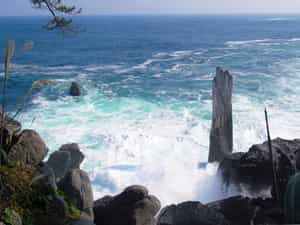
    Miyako brings you to Iwate’s Sanriku coast, where deep bays and forested headlands shape the journey. At Jodogahama, white volcanic rocks, pine trees and clear water frame one of Japan’s most striking beaches. In town, sample Sanriku seafood and explore the waterfront, rebuilt after the 2011 tsunami. Boat trips reveal the rugged coastline from the water; shore excursions reward travelers who prefer a quieter pace.

  22. Day 35

    Sendai, Japan

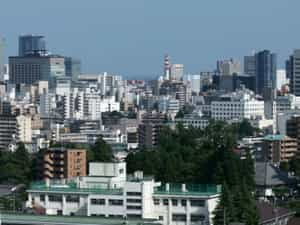
    Sendai is Tohoku’s largest city, a welcoming gateway to northern Japan’s history, cuisine and Pacific coast. Explore Aoba Castle’s hilltop ruins and Zuihoden, the richly decorated mausoleum of the city’s founder, Date Masamune. Stroll leafy Jozenji-dori, then try gyutan, Sendai’s celebrated grilled beef tongue. Beyond the city, island-dotted Matsushima Bay offers an easy excursion and one of Japan’s most admired coastal panoramas.

  23. Day 36

    Hitachinaka, Japan

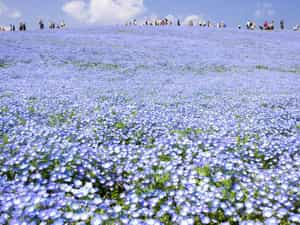
    Hitachinaka brings you to Japan’s Ibaraki coast, where beaches and working harbors sit within reach of historic Mito. At Hitachi Seaside Park, spring’s blue nemophila and autumn’s red kochia create a striking seasonal spectacle. Nearby Nakaminato offers a lively fish market, fresh seafood, and a glimpse of everyday life on the Pacific. Choose Hitachinaka for open-air scenery, local flavor, and an inviting alternative to Japan’s better-known urban ports.

  24. Day 37

    Tokyo, Japan

    Tokyo is a city of contrasts best explored one neighborhood at a time. In Asakusa, Senso-ji’s lantern gates lead to a centuries-old Buddhist temple; nearby, the Sumida River frames the skyline. Ride the efficient rail network to sleek Ginza, quiet Meiji Shrine, or the high-rise streets of Shinjuku. Come hungry: sushi counters, ramen shops, and department-store food halls make eating well remarkably easy. Tokyo’s scale is immense, but its details reward curiosity.

Seabourn Encore Cruises

Published September 19, 2026
Last updated October 3, 2026
Author: J. Richard


Cruise Disclosure

Good to know: Prices are quoted per person based on double occupancy and include all applicable taxes and fees. Availability and prices can change quickly, so please continue through the booking process to confirm the latest availability and pricing before you pay.

We work hard to make sure everything on this website is accurate and up to date. However, some information may be incomplete or inaccurate, including details supplied by third parties or otherwise outside our control, and we cannot be held responsible for such errors. We work with 41 cruise line operators, that are providing cruises on 585 ships visiting 1,731 ports across 7,194 unique cruises, creating 13,822 itineraries. This is a great deal of data to continually update daily from our suppliers. If a pricing error, misrepresentation, or omission occurs, we reserve the right to adjust the pricing, correct the information, or cancel or decline any booking made in error, with notice to you. Thank you for your understanding!