Croatia, Port Gruz Cruise from Dubrovnik to Civitavecchia — 38 Days

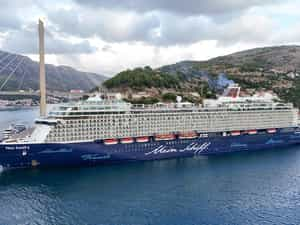
37 nights · Croatia, Port Gruz · Departs Dubrovnik (Croatia) · Visiting Kotor, Brindisi, Corfu Island, Itea, Gythion, Piraeus-Athens, Monemvasia, Agios Nikolaos, Mykonos Island, Kusadasi, Cesme, Istanbul, Canakkale, Volos, Patmos Island, Rhodes Island, Santorini Island, Nafplio, Korcula Island Croatia, Hvar Island Croatia, Sibenik, Piran, Venice, Rovinj, Vis Island Croatia, Valletta, Giardini Naxos-Taormina, Lipari Island, Sorrento, Civitavecchia-Rome · Aboard Seabourn Cruises on the Seabourn Ovation

Seabourn Cruises logo
Cruise lineSeabourn Cruises
ShipSeabourn Ovation
Duration37 nights
Port calls31
Departures1 sailings
From fare$45,793 per person
Year built2018
Guests638
Cabins266
Crew330
Length210 m
Beam28 m
Cruising speed19.0 kn
  1. Day 1

    Dubrovnik, Croatia

    Spend a day inside Dubrovnik’s UNESCO-listed Old Town, best explored on foot. Walk the city walls for close views of fortifications, roofs, and harbor. Then follow Stradun to Rector’s Palace and the Franciscan monastery. Book wall access in advance during busy months, and start early in summer. Mount Srđ offers a higher view, reached by cable car or road. Leave time for side lanes; their quieter corners reveal the city’s daily rhythm.

  2. Day 2

    Kotor, Montenegro

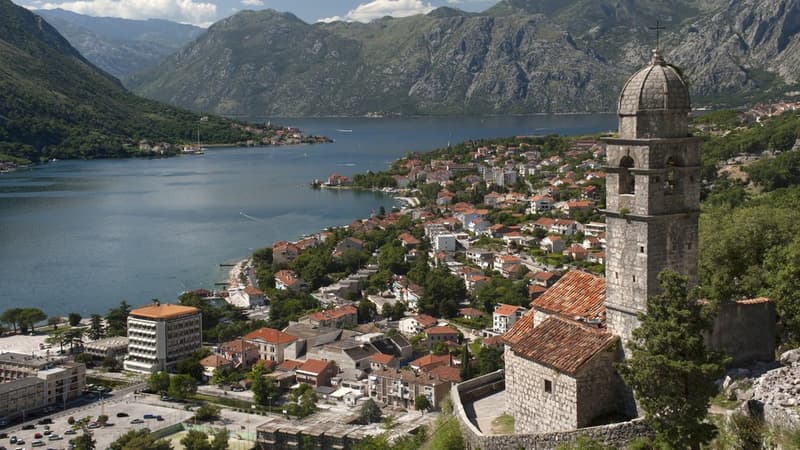
    At the head of Montenegro’s Bay of Kotor, the old town sits beneath steep mountains. Enter through the Sea Gate and follow stone lanes to St Tryphon’s Cathedral. Venetian-era walls frame squares, churches, and cafés within a compact UNESCO-listed center. For a broader view, climb toward San Giovanni Fortress; the steps are demanding. Take water and allow time for the ascent, especially in summer heat. From the harbor, the bay’s changing light makes a memorable arrival and departure.

  3. Day 3

    Brindisi, Italy

    Brindisi faces the Adriatic from Italy’s heel, a working port with an intimate old town. A Roman column marks the traditional end of the Appian Way, the great road linking Rome with the south. From the harbour, stroll the waterfront to the cathedral square, then pause for coffee in the nearby lanes. Brindisi rewards curiosity more than haste and opens the way to Salento’s olive groves, beaches and baroque towns.

  4. Day 4

    Corfu Island, Greece

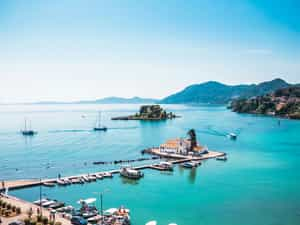
    Corfu rewards visitors who look beyond the beach resorts. Its Old Town, a UNESCO World Heritage site, bears the marks of centuries of Venetian rule. Walk the arcaded Liston, then climb to the Old Fortress for views across the rooftops and Ionian Sea. Beyond town, cypress-lined roads lead to Paleokastritsa’s coves, while the Achilleion palace recalls an imperial past. Allow time for lunch; Corfiot cooking pairs Ionian seafood with Italian and Greek influences.

  5. Day 5

    Itea, Greece

    At Itea, the Gulf of Corinth meets the foothills of Mount Parnassus. Delphi lies about 16 kilometres inland, on a dramatic mountainside. Its sanctuary of Apollo and ancient theatre reward the visit. Back in Itea, waterfront cafés look across the gulf. Nearby Amfissa is famed for its extensive olive groves. Choose Itea for a measured day ashore: sacred history above, sea air and an easy promenade below.

  6. Day 7

    Gythion, Greece

    Gythion gives you a gentler gateway to the southern Peloponnese, where the Mani begins in stone and sea. Once Sparta’s seaport, this harbor town faces the water with neoclassical houses, fishing boats, and café-lined quays. Walk to Marathonisi, the islet linked by a causeway, or follow the coast to Mavrovouni’s long beach. From here, the Mani’s tower villages and the caves of Diros make rewarding excursions. Choose Gythion for an unhurried introduction to a rugged, less-traveled corner of Greece.

  7. Day 8

    Piraeus-Athens, Greece

    Piraeus is Athens’ working harbour, not a resort port—and that is its appeal. From here, the capital’s ancient landmarks are within reach, while the waterfront keeps its own busy, distinctly Greek character. Visit the Archaeological Museum of Piraeus, then linger over grilled fish in Mikrolimano, a small harbour lined with tavernas. Metro connections make central Athens straightforward. Or stay near the water and watch ferries depart for the islands.

  8. Day 9

    Monemvasia, Greece

    Monemvasia rises from the sea as a sheer rock, joined to the Peloponnese by a narrow causeway. Step through its medieval gate into a stone-built town of vaulted lanes, Byzantine churches and Venetian-era mansions. Cars stay outside the lower town, leaving its steep alleys to walkers. Climb to the ruined upper fortress for wide views across the Aegean, then return for local wine and seafood.

  9. Day 10

    Agios Nikolaos, Greece

    Agios Nikolaos gives eastern Crete a cosmopolitan face, set around the deep blue waters of Mirabello Bay. At its heart, Lake Voulismeni connects to the harbor, bordered by cafés and a lively waterfront. Beyond town, the Minoan site at Gournia and the Venetian fortress of Spinalonga reveal layers of history. Come ashore for a swim, a lakeside lunch, or a drive through Crete’s olive-covered hills.

  10. Day 11

    Mykonos Island, Greece

    Mykonos rewards an early start: whitewashed lanes, blue-domed churches and waterfront cafés are quieter before the cruise crowds arrive. In Little Venice, old captains’ houses lean over the Aegean, while the island’s windmills stand above the harbor. Beyond town, beaches range from lively Psarou to the broad sands of Elia. Take a short boat ride to Delos, where ancient sanctuaries and marble streets mark one of Greece’s great archaeological sites.

  11. Day 12

    Kusadasi, Turkey

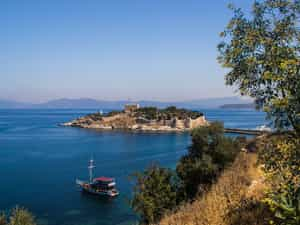
    Kuşadası puts the Aegean within reach, with a lively waterfront and one of Turkey’s most celebrated ancient cities nearby. Ephesus lies about 20 kilometres inland, where marble avenues lead to the Library of Celsus and Great Theatre. Back in town, browse the bazaar, then follow the causeway to Pigeon Island and its historic fortress. The harbour-facing promenade offers an easy place to linger over the Aegean light.

  12. Day 13

    Cesme, Turkey

    Çeşme pairs Aegean light with a working harbor, lively marina and handsome 16th-century castle. Inside, the Çeşme Museum traces local history, while cafés and shops gather around the waterfront. Beyond town, the peninsula offers clear-water coves, windsurfing at Alaçatı and long beaches along the coast. Come for a swim, then return for grilled seafood and a sunset stroll beside the harbor.

  13. Day 15

    Istanbul, Turkey

    Istanbul makes a compelling first impression: minarets rise above the Bosphorus, while ferries cross between Europe and Asia. On the historic peninsula, Hagia Sophia, the Blue Mosque and Topkapi Palace place centuries of empire within walking distance. Istanbul rewards curiosity beyond its landmarks. Browse the Grand Bazaar, linger over Turkish coffee, then take a ferry to the Asian shore. Allow time for traffic and queues; the city’s scale is part of the experience.

  14. Day 16

    Canakkale, Turkey

    Çanakkale stands on the Asian shore of the Dardanelles, where Europe and Asia face each other across a busy strait. Its waterfront cafés, ferry traffic and Ottoman-era Çimenlik Castle offer a direct introduction to the city’s maritime past. Across the water, Gallipoli’s battlefields and memorials recall the 1915 campaign, while ancient Troy lies about 30 kilometres south. Both make compelling excursions, but leave time to walk the promenade and watch ferries cross the strait.

  15. Day 17

    Volos, Greece

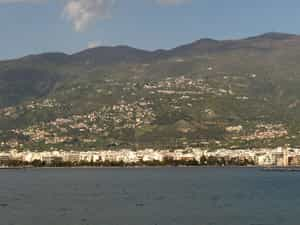
    Volos sits at the head of the Pagasetic Gulf, with Mount Pelion rising behind the city. Its waterfront cafés and lively tsipouradika serve the local ritual of tsipouro with small plates. The Archaeological Museum displays finds from Thessaly, including rare Neolithic objects. Beyond town, Pelion villages offer stone mansions, shaded squares and mountain paths. Take the historic narrow-gauge railway through the hills, or follow the coast to clear-water beaches.

  16. Day 19

    Patmos Island, Greece

    Patmos, a small Dodecanese island, pairs a quiet harbour with a remarkable religious history. From Skala, a winding road climbs to Chora, where whitewashed lanes lead to the Monastery of Saint John. Nearby, the Cave of the Apocalypse recalls the tradition that John received the visions behind Revelation. These UNESCO-listed sites reward a visit; beaches and waterfront tavernas offer a gentler counterpoint.

  17. Day 20

    Rhodes Island, Greece

    Rhodes pairs a fortified medieval capital with a sunlit Aegean coast. The UNESCO-listed Old Town stands just beyond the harbour, enclosed by formidable walls built by the Knights of St John. Walk its cobbled lanes to the Palace of the Grand Master, then pause over coffee in a shaded square. Beyond the city, beaches and whitewashed Lindos reward a longer outing; an ancient acropolis crowns the bay.

  18. Day 21

    Santorini Island, Greece

    Few Greek islands make an entrance like Santorini, where whitewashed villages crown a volcanic caldera above the Aegean. Most cruise ships anchor offshore, and tenders land at the old port below Fira. Ride the cable car, or climb the steps, to reach the island’s capital and its celebrated views. Beyond Fira, Oia’s blue domes, the archaeological site of Akrotiri, and volcanic wines reward a longer day ashore.

  19. Day 22

    Piraeus-Athens, Greece

    Piraeus is Athens’ working harbour, not a resort port—and that is its appeal. From here, the capital’s ancient landmarks are within reach, while the waterfront keeps its own busy, distinctly Greek character. Visit the Archaeological Museum of Piraeus, then linger over grilled fish in Mikrolimano, a small harbour lined with tavernas. Metro connections make central Athens straightforward. Or stay near the water and watch ferries depart for the islands.

  20. Day 23

    Nafplio, Greece

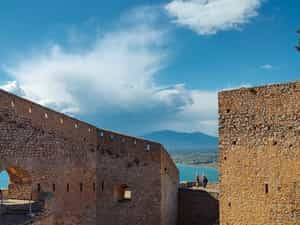
    Nafplion is the Peloponnese at its most inviting: a seafront town shaped by Venetian, Ottoman and Greek histories. In the old quarter, cobbled lanes lead to Syntagma Square, lined with historic façades and cafés. Above the rooftops, Palamidi Fortress commands the view; offshore, Bourtzi guards the harbor. Come ashore for a compact, walkable city, then linger over lunch beside the water.

  21. Day 25

    Kotor, Montenegro

    At the head of Montenegro’s Bay of Kotor, the old town sits beneath steep mountains. Enter through the Sea Gate and follow stone lanes to St Tryphon’s Cathedral. Venetian-era walls frame squares, churches, and cafés within a compact UNESCO-listed center. For a broader view, climb toward San Giovanni Fortress; the steps are demanding. Take water and allow time for the ascent, especially in summer heat. From the harbor, the bay’s changing light makes a memorable arrival and departure.

  22. Day 26

    Korcula Island Croatia, Croatia

    Korčula rises from the Adriatic on an island famed for vineyards, clear coves and stone villages. Inside the old walls, narrow streets fan out in a fishbone pattern. Follow them past Venetian Gothic façades to St Mark’s Cathedral and the town’s small squares. Beyond the harbor, island wineries pour local Grk and Pošip, while swimming coves reward a longer stay.

  23. Day 27

    Hvar Island Croatia, Croatia

    Hvar Town combines a handsome harbor with stone lanes and a lively island setting. From the waterfront, climb to St Stephen’s Square and its Renaissance cathedral. Continue uphill to the Spanish Fortress for a commanding view over town and Pakleni Islands. Water taxis link the harbor with the nearby islands, weather and schedules permitting. Choose a table along the port, or find a quieter lane above the square. In summer, book ahead; Hvar’s waterfront is among Croatia’s busiest.

  24. Day 28

    Sibenik, Croatia

    Šibenik pairs a working waterfront with a medieval centre climbing the hillside. The Cathedral of St James, a UNESCO World Heritage site, was built entirely from stone. From St Michael’s Fortress, take in broad views across the islands, then explore the cafés and narrow lanes below. Four historic fortresses speak to the city’s strategic past. Krka National Park is a rewarding excursion inland.

  25. Day 29

    Piran, Slovenia

    Piran’s Venetian façades, red roofs and church towers rise above a compact Adriatic peninsula. In Tartini Square, cafés and historic buildings frame the statue of violinist Giuseppe Tartini, born here in 1692. Climb the bell tower of St George’s Church for views across the rooftops and Gulf of Trieste. Beyond town, Sečovlje Salina Nature Park preserves centuries-old salt-making traditions and offers a quieter look at Slovenia’s coast.

  26. Day 30

    Venice, Italy

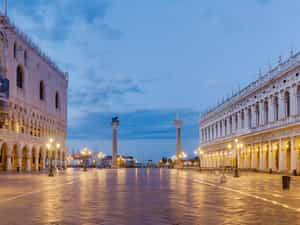
    Arrive in Venice by water, where the lagoon’s canals replace ordinary streets. St Mark’s Basilica and Doge’s Palace anchor the celebrated Piazza San Marco. Take a vaporetto along the Grand Canal, then explore a quieter neighborhood on foot. Confirm your ship’s terminal and transfer arrangements before setting out; cruise access varies. Near Rialto, the market and bridge offer a lively glimpse of the city’s trade. Give yourself time to leave the main routes and follow smaller canals.

  27. Day 31

    Rovinj, Croatia

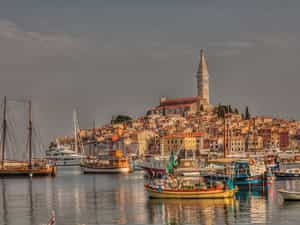
    Rovinj rises above Istria’s western shore, its old town gathered on a peninsula. Follow narrow lanes uphill to St Euphemia’s Church and its landmark bell tower. From the summit, look across red roofs, harbor boats, and the Adriatic. Along the waterfront, restaurants serve Istrian seafood and local wines. Allow time for the marina and nearby coves; the center is best explored on foot. Rovinj rewards a slow walk, particularly in the quieter morning hours.

  28. Day 32

    Vis Island Croatia, Croatia

    Vis offers a slower pace than Croatia’s better-known island ports, with two main towns. Vis Town curves around a sheltered harbor lined with stone buildings and cafés. Explore its waterfront and discover reminders of the island’s long military importance. Vis remained a Yugoslav military base and was closed to foreign visitors until 1989. Boats to Biševo’s Blue Cave depend on sea conditions and local access rules. Allow extra time for boat trips, and keep a flexible plan if seas turn rough.

  29. Day 34

    Valletta, Malta

    Valletta makes a powerful first impression, its honey-coloured walls rising above Grand Harbour. Founded by the Knights of St John in 1566, Malta’s compact capital rewards exploration on foot. Enter St John’s Co-Cathedral for Caravaggio’s monumental paintings, then follow Republic Street to cafés, palaces and the Upper Barrakka Gardens. From the terraces, watch ferries cross the harbour and look towards the Three Cities. Allow time for steep lanes and quiet side streets.

  30. Day 35

    Giardini Naxos-Taormina, Italy

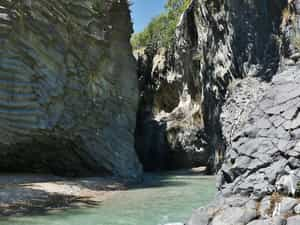
    Giardini Naxos sits on Sicily’s Ionian coast, beneath Mount Etna and a short drive from Taormina. Its waterfront pairs pebble beaches with cafés, gelaterie and views across the bay. Sicily’s first Greek colony was founded here in 734 BC. A nearby archaeological park preserves traces of its ancient streets and walls. Come for a seaside day, or use the port as a gateway to Taormina. There, the Greek Theatre commands sweeping views of Etna and the coast.

  31. Day 36

    Lipari Island, Italy

    Lipari is the largest of the Aeolian Islands, a volcanic chain off Sicily’s northern coast. The town rises around a citadel, home to the Aeolian Archaeological Museum and its collection of island finds. Walk the old lanes to Marina Corta, then choose a waterfront table for fresh seafood. Beyond town, pumice quarries and coastal viewpoints reveal a landscape shaped by fire and sea.

  32. Day 37

    Sorrento, Italy

    Sorrento rises above the Bay of Naples, facing Mount Vesuvius across water busy with ferries. From here, ferries connect with Capri, while the town rewards a slower day among old lanes, churches, and sea-view terraces. Follow the scent of citrus to shops selling Sorrento lemons, locally made limoncello, and finely crafted marquetry. Then pause over lunch: the region’s seafood and Campanian produce are best enjoyed without hurry.

  33. Day 38

    Civitavecchia-Rome, Italy

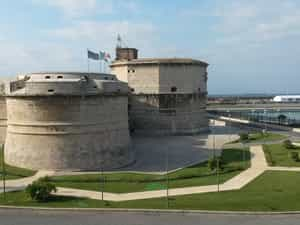
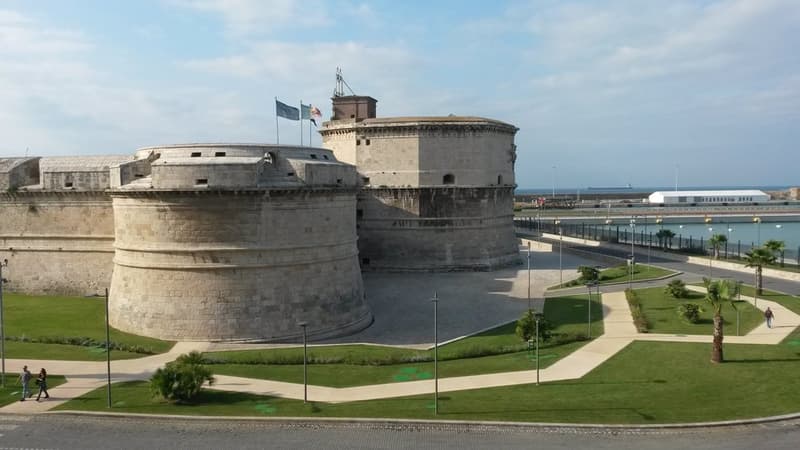
    Your ship docks at Civitavecchia, Rome’s seaport, about 50 miles northwest of the capital. Rome’s great monuments are within reach, but the port town rewards a closer look. Walk the waterfront to Forte Michelangelo, a 16th-century fortress begun under Pope Julius II; explore the old streets and market. Prefer a quieter day? The town’s seafront and nearby beaches offer an easy change of pace. Choose Rome for art and antiquity, or Civitavecchia for coastal life beyond the terminal.

Seabourn Ovation Cruises
Published September 12, 2026
Last updated October 3, 2026
Author: J. Richard


Cruise Disclosure

Good to know: Prices are quoted per person based on double occupancy and include all applicable taxes and fees. Availability and prices can change quickly, so please continue through the booking process to confirm the latest availability and pricing before you pay.

We work hard to make sure everything on this website is accurate and up to date. However, some information may be incomplete or inaccurate, including details supplied by third parties or otherwise outside our control, and we cannot be held responsible for such errors. We work with 41 cruise line operators, that are providing cruises on 585 ships visiting 1,731 ports across 7,194 unique cruises, creating 13,822 itineraries. This is a great deal of data to continually update daily from our suppliers. If a pricing error, misrepresentation, or omission occurs, we reserve the right to adjust the pricing, correct the information, or cancel or decline any booking made in error, with notice to you. Thank you for your understanding!