Croatia Cruise Ports & Cruise Guide
Total 28 · 8 river · 20 ocean
This page is an overview of the 28 cruise ports in Croatia, covering river and ocean cruises. Cruises start and end at Dubrovnik, Split, Zadar. 145 cruise ships visit Croatia across 28 ports. See live sailings and availability on the Croatia cruises page.


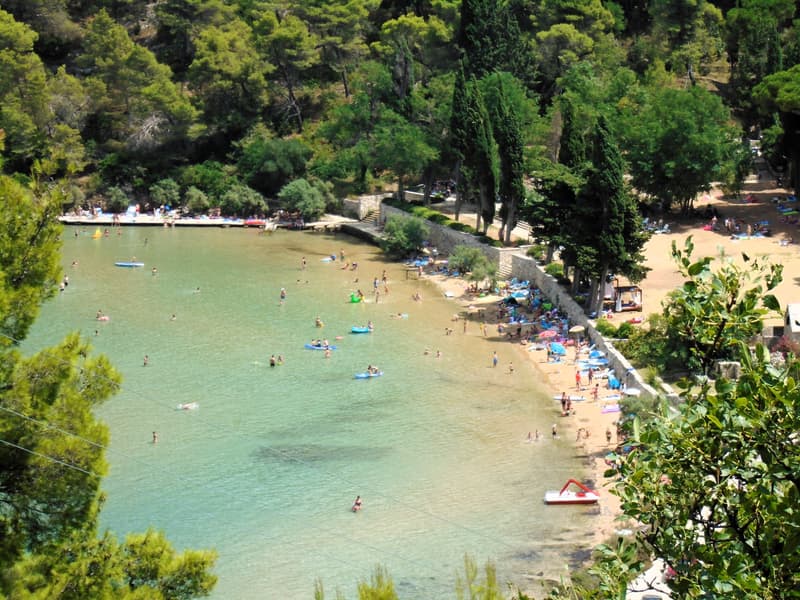


Croatia is a compact Mediterranean treasure of walled Adriatic cities, island-studded blue waters, Roman ruins, Venetian churches, and national parks of extraordinary beauty. For the traveler who wants depth without being herded, the sweet spot is a small-ship coastal cruise in late spring or early autumn, pairing UNESCO old towns with unhurried swimming, wine, and locally guided walking.
Country facts
History
Croatia's layered history spans ancient Illyrians, Greeks, and Romans; medieval Croatian kings; Venetian and Habsburg rule; a turbulent 20th century within Yugoslavia; independence in 1991; and European Union membership in 2013.
The 1991–95 war is recent enough that visitors will see rebuilt stonework and hear personal stories. Croatia is safe for travelers today, but some rural and former frontline areas still carry landmine warnings; always stay on marked trails and roads.
Culture
A Mediterranean-Central European blend with strong regional identities—Dalmatian, Istrian, Slavonian, and Zagreb cosmopolitan—centered on family, food, music, and the sea.
Music: Klapa a cappella singing, a UNESCO-listed tradition of Dalmatia, plus tamburica folk music and lively klapa festivals.
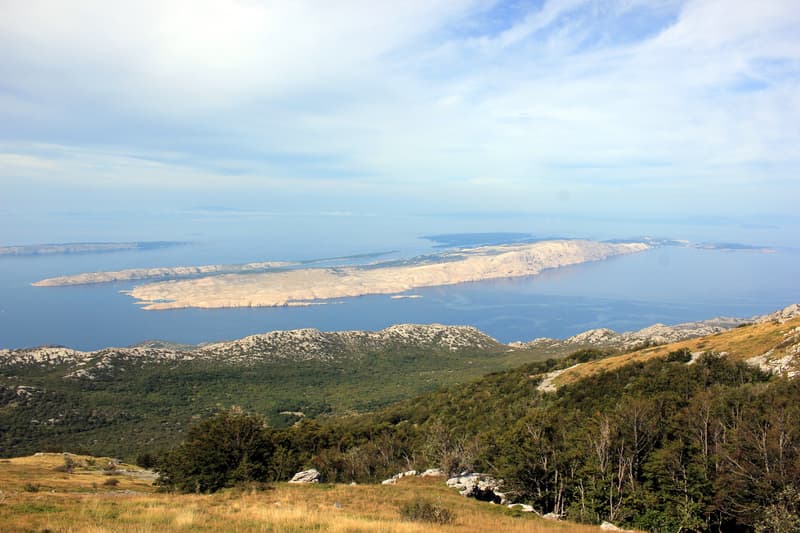
Signature landscape: The Adriatic Sea itself—clear, turquoise, and studded with pine-covered karst islands and hidden coves.
Cuisine
- Fresh Adriatic fish and seafood
- Dalmatian prosciutto and Pag cheese
- Istrian black truffles
- Peka, a slow-cooked meat or octopus dish under a bell
- Black risotto with cuttlefish
- Extra-virgin olive oil
- Grilled vegetables and Mediterranean herbs
- Fritule and kroštule for dessert
Architecture & heritage
- Roman ruins and Diocletian's Palace
- Venetian Gothic old towns
- Renaissance and Baroque churches
- Austro-Hungarian boulevards in Zagreb and Opatija
- UNESCO World Heritage sites: Dubrovnik, Split, Trogir, Šibenik Cathedral, Stari Grad Plain, and Plitvice Lakes
Tips for American travellers
- Learn 'hvala' (thank you) and 'dobar dan' (good day); locals appreciate the effort.
- Tipping 10% is polite but not mandatory.
- Reservations are essential at popular restaurants in summer.
- Dress smart-casual for churches; shoulders and knees should be covered.
- Drinking tap water is safe in most towns; carry a refillable bottle.
Major cities & destinations
Dubrovnik Walled old city / major cruise port
One of the world's most dramatic walled medieval cities, with marble streets, baroque churches, and sea cliffs.
Premier Adriatic cruise port; large ships dock at Gruž and tender to the old harbor; most sailings begin or end here.
City Walls Stradun Rector's Palace Fort Lovrijenac Dubrovnik Cathedral Cable car to Mount SrđSplit Coastal city / cruise port
Diocletian's Palace is a living Roman city filled with shops, cafés, and 1,700 years of layered history.
Major ferry and cruise hub; embarkation point for Dalmatian island sailings.
Diocletian's Palace Peristyle Cathedral of St. Domnius Riva promenade Marjan Hill Green MarketZadar Historic coastal city / cruise port
A relaxed peninsula of Roman ruins, medieval churches, and contemporary sound art facing the Adriatic sunset.
Emerging Adriatic port and gateway to the Kornati Islands and Plitvice Lakes.
Roman Forum Church of St. Donatus Sea Organ Sun Salutation Museum of Ancient Glass Zadar City GateŠibenik Historic port town
A genuine working town with a UNESCO Renaissance cathedral and fortress views, quieter than Split or Dubrovnik.
Small-ship port and gateway to Krka National Park.
Cathedral of St. James St. Michael's Fortress St. Anne's Fortress Old Town lanes RivaHvar Island town / small-ship port
A glamorous island harbor with a medieval square, hilltop fortress, lavender fields, and easy access to tiny islands.
Favorite small-ship stop for Mediterranean atmosphere and swimming stops.
St. Stephen's Square Hvar Fortress Franciscan Monastery Hvar Cathedral Pakleni IslandsKorčula Island town
A beautifully preserved Venetian-influenced old town, often called 'mini-Dubrovnik' without the crowds.
Charming small-ship port and gateway to Pelješac wine country.
Korčula Old Town St. Mark's Cathedral Marco Polo House Tower of All Saints Aci Marina waterfrontRovinj Istrian coastal town / small-ship port
A colorful Venetian-style town on a rocky peninsula, with art galleries, seafood restaurants, and Istrian hill-town charm.
The Adriatic's prettiest Istrian port; small ships berth near the old town.
Old Town of Rovinj Church of St. Euphemia Rovinj Harbor Balbi's Arch Lim BayZagreb Capital city
A lively Central European capital with Austro-Hungarian architecture, excellent museums, and café culture.
Not a coastal cruise port, but a natural pre- or post-cruise extension from Split or Dubrovnik via domestic flight.
Ban Jelačić Square Upper Town Zagreb Cathedral Dolac Market St. Mark's Church Museum of Broken RelationshipsPlitvice Lakes National Park National park
Sixteen terraced turquoise lakes connected by waterfalls, surrounded by beech and fir forests—a UNESCO natural wonder.
The most popular inland shore excursion from Zadar, Split, and Rijeka cruise ports.
Veliki Slap (Great Waterfall) Lower Lakes Upper Lakes Boardwalk trails Electric boat ride across Lake KozjakCruise ports of call
Croatia's cruise ports range from large international terminals at Dubrovnik and Split to intimate island harbors reached by small ships and tenders. The best experience for this traveler is a small-ship coastal voyage that combines overnight stays in port with daytime swimming stops.
- Southern Dalmatia: Split, Hvar, Korčula, Dubrovnik
- Northern Dalmatia & the Kvarner/Istrian Adriatic: Zadar, Šibenik, Rovinj
Dubrovnik Southern Dalmatia
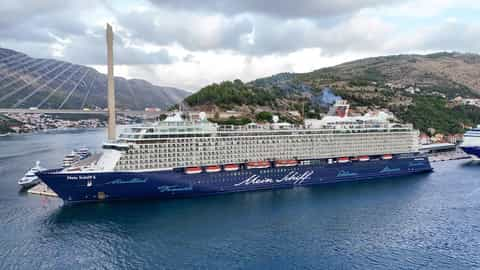
Large ships dock at Gruž, about 2 km from the old town, or tender directly to the old harbor in calm weather.
Best for: Walled-city history, dramatic coastal views, Game of Thrones scenery
Operators: Katarina Line, Emerald Cruises, Scenic Cruises, Seabourn, Celebrity Cruises
Split Southern Dalmatia
The cruise terminal sits at the eastern edge of the Riva, a short walk from Diocletian's Palace.
Best for: Roman history, island connections, vibrant café life
Operators: Katarina Line, Emerald Cruises, Scenic Cruises, MSC Cruises, Silversea
Zadar Northern Dalmatia & Istria
Ships berth at Gaženica or at the older port near the old town; the historic peninsula is compact and walkable.
Best for: Roman ruins, contemporary art installations, sunset sound experiences
Operators: Katarina Line, Emerald Cruises, MSC Cruises
Šibenik Northern Dalmatia & Istria
A compact Dalmatian port where small ships moor near the old town; the UNESCO cathedral is a short walk.
Best for: UNESCO Renaissance architecture, Krka waterfalls, authentic local atmosphere
Operators: Katarina Line
Hvar Southern Dalmatia
Ships anchor off the town and tender in, or small yachts moor along the quay; the piazza is moments from the pier.
Best for: Island glamour, swimming, lavender, Pakleni Islands
Operators: Katarina Line, Emerald Cruises
Rovinj Northern Dalmatia & Istria
Small ships and yachts moor at the marina at the foot of the old town; the colorful waterfront is immediate.
Best for: Istrian food, art, hill towns, romantic evenings
Operators: Katarina Line, Emerald Cruises, Seabourn
Additional Adriatic stops such as Korčula, Vis, Mljet, Trogir, and Opatija are often visited by small ships or used as tender stops. These ports reward travelers who book small-group shore excursions rather than large bus tours.
All cruise ports in Croatia
Ships visiting by type: 100 ocean 43 river 4 expedition
Showing 28 ports in Croatia













River cruises & routes
Traditional river cruising is minimal in Croatia. The country's signature cruise experiences are coastal small-ship sailings that combine Adriatic island hopping with overnight stays in medieval port towns. Think of these as 'blue-water' itineraries rather than river voyages.
| Route | Length | Countries | Highlights |
|---|---|---|---|
| Split → Hvar → Korčula → Dubrovnik | 7 | Croatia | Diocletian's Palace, Hvar piazza and fortress, Korčula old town, Mljet National Park, Dubrovnik city walls |
| Dubrovnik → Korčula → Hvar → Split | 7 | Croatia (optional Montenegro add-on) | Elaphite Islands, Korčula wine tasting, Stari Grad Plain, Split's Roman palace |
| Zadar → Šibenik → Krka → Split | 7 | Croatia | Roman forum, Sea Organ, Šibenik cathedral, Krka waterfalls, Trogir |
| Rovinj → Opatija → Zadar → Split | 10 | Croatia | Istrian hill towns, Lim Bay, Opatija's Habsburg promenade, Zadar sunsets, Split's palace |
Season: Late April through October; May, June, and September are best for mild weather, fewer crowds, and more authentic experiences. July and August are hot and busy.
Cruise lines visiting Croatia
Croatia is served by local small-ship companies and international luxury or large-ship lines. For the milestone traveler who wants to avoid a herded feel, local and yacht-style ships are the strongest match.
Katarina Line
Split–Dubrovnik, Dubrovnik–Split, and North Dalmatia national-park itineraries
Ships: M/S Katarina
Emerald Cruises
Adriatic coastal voyages including Dubrovnik, Split, Hvar, Zadar, and Rovinj
Ships: Emerald Azzurra, Emerald Sakara
Scenic Cruises
Dubrovnik–Split and Adriatic discovery sailings
Ships: Scenic Eclipse, Scenic Eclipse II
Seabourn
Mediterranean and Adriatic voyages calling at Dubrovnik, Split, and Rovinj
Ships: Seabourn Quest, Seabourn Odyssey
Celebrity Cruises
Large-ship Mediterranean itineraries calling at Dubrovnik and Split
Ships: Celebrity Infinity, Celebrity Constellation
MSC Cruises
Adriatic and eastern Mediterranean itineraries calling at Split, Zadar, and Dubrovnik
Ships: MSC Fantasia, MSC Orchestra
Silversea
Luxury Adriatic voyages calling at Split and Dubrovnik
Ships: Silver Moon, Silver Dawn
Large ships can feel crowded at Dubrovnik and Split in summer. For this reader, book a small-ship operator such as Katarina Line or an expedition-style yacht like Emerald Azzurra to access quieter harbors and smaller groups.
Planning & advice
Croatia rewards slow, curious travel. Its scale is manageable, its safety is excellent, and its food, wine, and layered history appeal to adults who want substance over spectacle. A small-ship cruise here offers authentic encounters without the feeling of being herded.
For the American traveller
- US citizens need a valid passport and can stay up to 90 days visa-free in the Schengen Area.
- The currency is the euro; credit cards are widely accepted, but carry cash for small islands and markets.
- Schengen entry rules apply; check with the nearest Croatian embassy before booking.
- Use licensed, local guides and port-approved tenders to avoid overpriced or overcrowded tours.
- Pack comfortable walking shoes for stone streets, steep fortresses, and national park boardwalks.
- Stay on marked trails in rural and former-war areas; most landmine risk has been cleared but warnings still exist.
- Reserve restaurants and museum tickets in advance during peak season.
Excursion planning
- Book the Dubrovnik City Walls early in the morning or late afternoon to avoid heat and crowds.
- Plitvice Lakes entry tickets are timed and often sell out; book online before the cruise.
- Choose small-group boat excursions to the Elaphite Islands, Pakleni Islands, or Kornati Islands rather than large motorcoach tours.
- Confirm whether your ship docks or tenders, and how far the tender lands from the old town.
- Ask about walking levels: Dubrovnik and Šibenik involve hills and steps, while Split and Zadar are flatter.
The verdict
Choose Croatia for an unhurried Mediterranean milestone journey—its ancient walled cities, luminous Adriatic water, and small-ship harbors deliver depth, beauty, and a sense of discovery far from the mega-cruise crowd.
Sources
- CIA World Factbook — Croatia - The World Factbook (accessed 2026-09-09)
- Encyclopaedia Britannica — Croatia (accessed 2026-09-09)
- Croatian National Tourist Board — Croatia.hr - The Official Travel Guide (accessed 2026-09-09)
- UNESCO World Heritage Centre — Croatia - Properties inscribed on the World Heritage List (accessed 2026-09-09)
- European Commission — Croatia - EU member country (accessed 2026-09-09)
- Lonely Planet — Croatia (accessed 2026-09-09)