Brazil Cruise Ports & Cruise Guide
Total 24
- Bahia
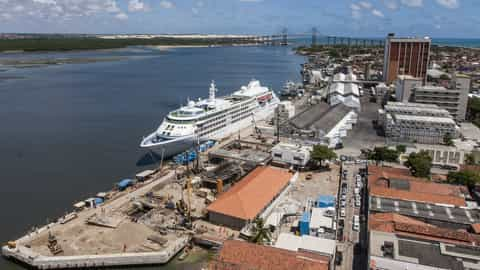
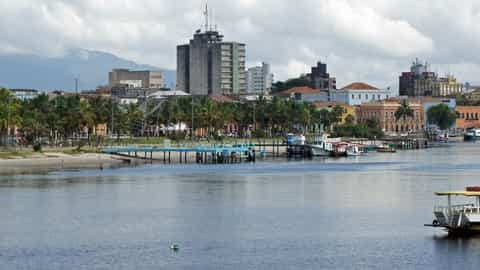
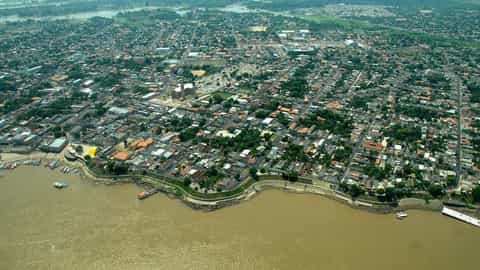
This page is an overview of the 24 cruise ports in Brazil, covering ocean cruises. Cruises start and end at Rio de Janeiro, Ilhabela, Manaus. 38 cruise ships visit Brazil across 24 ports. See live sailings and availability on the Brazil cruises page.


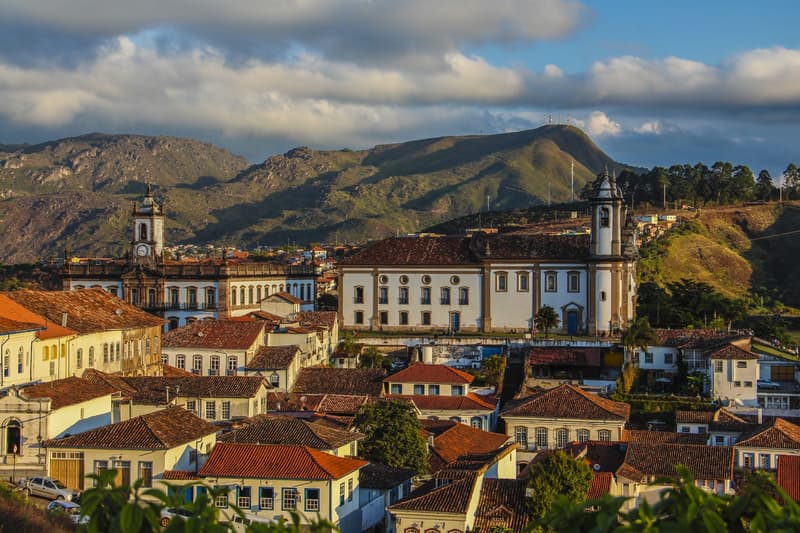
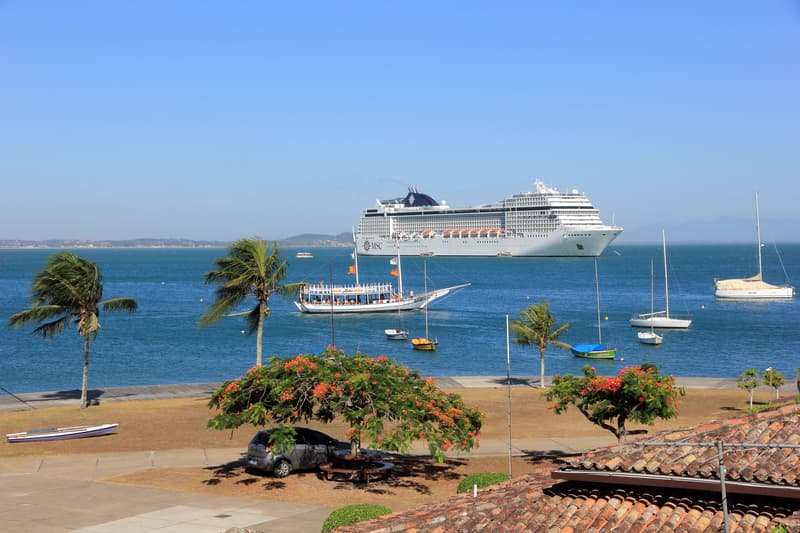

Brazil offers two very different cruise experiences: expedition river cruising through the Amazon from Manaus toward Belém, and coastal expedition or small-ship cruising from Rio de Janeiro toward Salvador. This is not herded, marble-lobby river cruising; it is a destination for travelers who want wildlife, scale, history, and a little unpredictability. The best experience comes from choosing a small expedition vessel, booking with a specialist operator, and accepting that the country rewards flexible travelers.
Country facts
History
Brazil's history begins with Indigenous peoples who inhabited the coast and river basins for millennia. Portuguese colonization from 1500 brought extractive economies, the transatlantic slave trade, and a deeply unequal social order. Brazil became an independent empire in 1822, abolished slavery in 1888, and became a republic in 1889. The 20th century brought rapid urbanization, military rule from 1964 to 1985, and a democratic constitution in 1988. Modern Brazil continues to confront inequality, environmental pressures, and political polarization.
Brazil's history is not a gentle success story. Colonial extractivism, slavery, deep inequality, and deforestation remain unresolved. A respectful traveler should acknowledge these realities, support local guides and community tourism, and avoid romanticizing the past.
Culture
Brazilian identity is rooted in Indigenous, African, and European influences, with strong regional variation. Brazilians are often warm, expressive, and proud of their cultural diversity. Portuguese language unites the country; music, food, and celebration are central to everyday life.
Music: Samba, bossa nova, forró, frevo, MPB, axé, choro, and funk carioca reflect Brazil's African, Indigenous, and European roots. Carnival is only the visible peak of a year-round musical culture.
Signature landscape: The Amazon rainforest and the Meeting of the Waters, where the dark Rio Negro meets the sandy-colored Solimões and runs side by side for several kilometers.
Cuisine
- Feijoada
- Churrasco
- Moqueca
- Acarajé
- Pão de queijo
- Brigadeiro
- Açaí
- Tacacá
- Caipirinha
- Guaraná
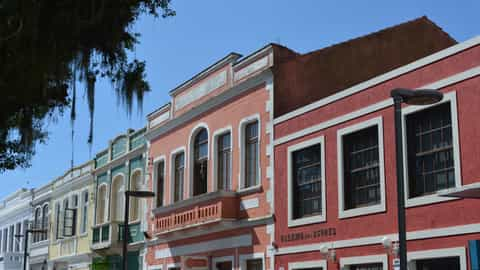
Architecture & heritage
- Ouro Preto's colonial baroque churches
- Pelourinho in Salvador
- Modernist Brasília
- Teatro Amazonas in Manaus
- Jesuit missions in southern Brazil
- São Paulo's Paulista Avenue and cultural centers
Tips for American travellers
- Learn basic Portuguese; English is not widely spoken outside upscale hotels and tour operators.
- Use registered guides for city tours and river excursions.
- Keep valuables hidden; avoid flashing cameras and phones in crowded urban areas.
- Drink bottled or filtered water; be cautious with ice from street vendors.
- Dress respectfully when visiting churches; bring sun protection and insect repellent.
- Brazilian time is more flexible; confirm pickup times and be patient.
- Avoid political generalizations; Brazilians have diverse views.
- Carry small bills for markets and tips; credit cards are common in cities.
Major cities & destinations
Manaus Amazon river city
Gateway to the Amazon; turn-of-the-century rubber-boom architecture; Meeting of the Waters.
Principal embarkation/debarkation port for Amazon river cruises.
Teatro Amazonas Mercado Adolpho Lisboa Meeting of the Waters Palácio Rio Negro INPA Botanical GardenParintins Riverside festival town
Home of Boi-Bumbá, a spectacular Amazonian folklore festival; colorful local identity.
Popular Amazon cruise port; high-water docking can vary.
Bumbódromo Caprichoso and Garantido headquarters Parintins waterfrontSantarém River town and clearwater gateway
Gateway to Alter do Chão, the 'Caribbean of the Amazon,' with white-sand river beaches.
Amazon cruise stop for swimming and Tapajós forest excursions.
Alter do Chão beach Lago Verde Tapajós National Forest Mercado MunicipalBelém Estuary metropolis
Amazon's most flavorful city; Ver-o-Peso market; colonial architecture; açaí and regional cuisine.
Terminus for eastbound Amazon cruises; some coastal itineraries start here.
Ver-o-Peso Market Basílica de Nazaré Fort do Castelo Museu do Estado do ParáRio de Janeiro Coastal metropolis
Iconic natural setting: Sugarloaf, Corcovado, Atlantic rainforest, and beach culture.
Start/end port for coastal Brazil cruises; major air gateway.
Christ the Redeemer Sugarloaf Botanical Garden Escadaria Selarón Museum of Tomorrow CopacabanaParaty Colonial coastal town
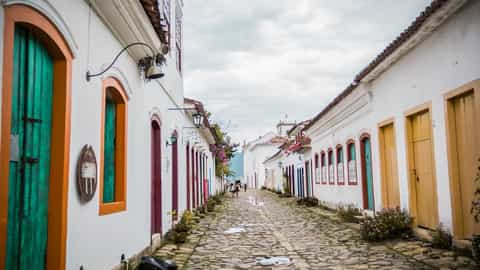
UNESCO-listed Portuguese colonial center; car-free streets; bay of 365 islands.
Scenic tender port on coastal itineraries between Rio and Santos/Salvador.
Historic Centre Santa Rita Church Paraty Bay Cachoeira do Toboga Fort Defensor PerpétuoSalvador Afro-Brazilian cultural capital
First capital of Brazil; Pelourinho UNESCO site; rich music, religion, and cuisine.
Major port on northeastern coastal itineraries.
Pelourinho Elevador Lacerda São Francisco Church Mercado Modelo Bonfim ChurchCruise ports of call
Brazilian cruising splits into two families: river expedition cruising in the Amazon and small-ship coastal cruising along the Atlantic. Amazon ports are generally river docks or anchorages; coastal ports are a mix of modern terminals and tender stops. Most cruises are expedition-style rather than classic European river cruises.
- Amazon River & Rainforest (Manaus–Belém or Manaus round-trip)
- Atlantic Coast & Colonial Heritage (Rio–Salvador, with Paraty and island anchorages)
Manaus Amazon River & Rainforest
Capital of Amazonas, gateway to the Rio Negro and Solimões; floating docks adjust to river level changes of more than 10 meters.
Best for: First-time Amazon travelers, jungle lodge excursions, Teatro Amazonas
Operators: Aqua Expeditions, Iberostar Grand Amazon, Amazon Clipper Premium
Parintins Amazon River & Rainforest
Known for the Boi-Bumbá festival, with giant Caprichoso and Garantido ox symbols; riverside streets may flood in high water.
Best for: Folklore, local life, riverside culture
Operators: Aqua Expeditions, Iberostar Grand Amazon, Amazon Clipper Premium
Santarém Amazon River & Rainforest
At the confluence of the Tapajós and Amazon rivers; Alter do Chão has clear-water beaches and forest trails.
Best for: Clearwater swimming, Amazon beaches, forest trails
Operators: Aqua Expeditions, Iberostar Grand Amazon, Lindblad Expeditions, Ponant
Belém Amazon River & Rainforest
Capital of Pará; gateway to the Amazon estuary; Ver-o-Peso market; colonial center; strong regional cuisine.
Best for: Amazon food, market life, colonial architecture
Operators: Aqua Expeditions, Lindblad Expeditions, Ponant, Seabourn
Rio de Janeiro Atlantic Coast & Colonial Heritage
Iconic harbor, Sugarloaf, Christ the Redeemer, Copacabana, and Tijuca Forest; usual start/end for coastal cruises.
Best for: Milestone scenery, city culture, pre/post cruise
Operators: Ponant, Seabourn, Lindblad Expeditions
Paraty Atlantic Coast & Colonial Heritage
Well-preserved Portuguese colonial town on the Costa Verde; car-free historic center; bay with tropical islands and caiçara culture.
Best for: History, kayaking, sailing, relaxed pace
Operators: Ponant, Lindblad Expeditions, Seabourn
Salvador Atlantic Coast & Colonial Heritage
First capital of Brazil; Afro-Brazilian culture; Pelourinho UNESCO site; strong music and cuisine.
Best for: Culture, architecture, African-Brazilian heritage
Operators: Ponant, Seabourn, Lindblad Expeditions
Outside the Amazon, there is no extensive river-cruise network in the Brazilian interior. Coastal expedition cruising is more common. The Pantanal is visited by small riverboats but not by mainstream cruise lines.
All cruise ports in Brazil
Ships visiting by type: 37 ocean 3 expedition
Showing 24 ports in Brazil










River cruises & routes
River cruising in Brazil is expedition cruising: small vessels, wildlife-focused excursions, variable schedules, and close contact with the rainforest. The Amazon is the main stage, with Manaus as the usual hub. Coastal itineraries function more like expedition cruises than classic ocean cruises, with tenders, zodiacs, and local guides.
| Route | Length | Countries | Highlights |
|---|---|---|---|
| Manaus Roundtrip: Meeting of the Waters and Rio Negro | 7–8 days | Brazil | Wildlife, jungle walks, river beaches, Teatro Amazonas, Meeting of the Waters |
| Manaus to Belém: The Lower Amazon | 10–12 days | Brazil | Parintins, Santarém/Alter do Chão, Ver-o-Peso, Amazon estuary |
| Rio de Janeiro to Salvador: Colonial Coast | 9–12 days | Brazil | Paraty, Ilha Grande, Costa Verde, Bahian culture, Pelourinho |
| Salvador to Recife: Northeastern Brazil | 7–10 days | Brazil | Pelourinho, coconut coast, Olinda, Recife |
Season: Amazon high-water Dec–Jun; low-water Aug–Nov; coastal cruises run year-round; Brazilian Carnival dates shift (Feb–Mar); shoulder seasons Apr–Jun and Sep–Nov are often best.
Cruise lines visiting Brazil
The Brazil cruise market is dominated by expedition operators rather than traditional river-cruise brands. Dedicated Amazon river operators run small vessels from Manaus; ocean expedition lines include Brazilian coastal ports and sometimes the Amazon estuary on longer itineraries.
Aqua Expeditions
Rio Negro and Amazon from Manaus
Ships: Aqua Nera
Iberostar
Manaus round-trip Amazon river cruises
Ships: Iberostar Grand Amazon
Amazon Clipper Premium
Rio Negro/Solimões from Manaus
Ships: Amazon Clipper Premium
Ponant
Coastal Brazil and Amazon estuary expedition cruises
Ships: Le Laperouse, L'Austral
Lindblad Expeditions
Atlantic coast, Amazon estuary, and river expedition
Ships: National Geographic Explorer
Seabourn
Ocean expedition cruises to Brazilian coast and Amazon
Ships: Seabourn Pursuit, Seabourn Venture
Small-ship river operators are not part of mainstream river-cruise conglomerates. Expedition lines sometimes use ocean-going ships for coastal and lower Amazon. Book direct or through a specialist expedition agent.
Planning & advice
Brazil rewards the milestone traveler who still wants adventure but dislikes being herded. The scale of the Amazon, the warmth of Bahian culture, and the iconography of Rio create a genuine sense of wonder. Choose a small expedition vessel, embrace flexible schedules, and you will feel like a traveler rather than a passenger.
For the American traveller
- Check current visa requirements with the nearest Brazilian consulate; rules for U.S. citizens have changed frequently.
- Yellow fever vaccination is recommended for Amazon travel; carry proof if visiting rural areas.
- Malaria prophylaxis may be advised for the Amazon; consult a travel health specialist.
- Use only licensed taxis or ride apps; avoid walking alone at night in port cities.
- Keep valuables out of sight; do not resist theft.
- Have a photocopy or digital scan of your passport and entry stamp.
- Bring insect repellent, sunscreen, a reusable water bottle with filter, and a basic first-aid kit.
- Learn key Portuguese phrases; English is limited outside tourism hubs.
- Carry small bills for markets, tips, and artisan purchases.
- Use a local eSIM or offline maps; ship Wi-Fi may be limited.
Excursion planning
- Book excursions through the ship or a reputable local operator; avoid unofficial street touts.
- Choose small-group tours whenever possible—Brazil is not a place for being herded.
- Confirm physical difficulty: Amazon excursions can involve mud, heat, and small boats.
- Always allow buffer time for traffic in Rio, Salvador, and Belém.
- Ask about water levels before booking Amazon itineraries; low water changes landing points.
- Support community-based tourism operators where available.
- Do not schedule tight flights on disembarkation day; delays are common.
The verdict
Brazil is a destination for travelers who trade marble-top luxury for wild immersion. It is ideal for an adventurous milestone trip if you pick a small expedition ship, stay flexible, and accept that Brazil's magic comes with a few rough edges.
Sources
- CIA — The World Factbook - Brazil (accessed 2026-09-09)
- Encyclopaedia Britannica — Brazil (accessed 2026-09-09)
- UNESCO World Heritage Centre — Brazil - Properties inscribed on the World Heritage List (accessed 2026-09-09)
- World Bank — Brazil Overview (accessed 2026-09-09)
- Wikivoyage — Brazil (accessed 2026-09-09)