Maceió Cruise Port
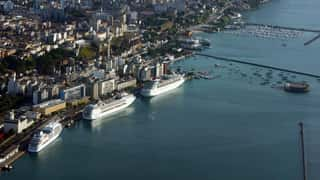
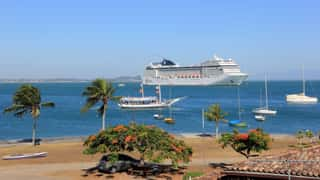
The cruise terminal at Porto de Jaraguá sits 3.2 km (2 miles) from the main Pajuçara beach district, a 10-minute taxi ride costing roughly 35 BRL (~$6.00 USD). Located in the Alagoas state of northeastern Brazil, this destination is a gateway to some of the most striking coastal landscapes in South America. You are visiting a city where the South Atlantic Ocean creates a reef-protected lagoon, resulting in water clarity that rivals the Caribbean. Visitors to Maceio consistently report that the area is most rewarding when time is spent near the water. You are roughly 130 km (80 miles) from the famous Maragogi coral reefs—about a 2.5-hour drive—and 30 km (18 miles) from the Barra de São Miguel inlet. As an ocean cruise port, Maceio serves as a primary stop on South American circuits between Salvador and Recife. You cannot realistically walk from the pier to the highlights; the route is industrial and lacks shade. The city rewards beach lovers and seafood enthusiasts, but it punishes those who ignore the tide tables, as the signature natural pools vanish twice daily. Expect a day of high humidity and intense equatorial sun.
Porto de Jaraguá (Port of Maceio)


Maceió, Brazil Port
UN/LOCODE BRMCZ Port of call Homeport
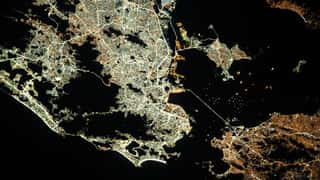
Maceió Cruise Port Location
| Port Details | |
|---|---|
| Country | Brazil |
| UN/LOCODE | BRMCZ |
| Contact | |
| Address | Rua Sá e Albuquerque, s/n - Jaraguá, Maceió - AL, 57022-180, Brazil |
| Port phone | +55 82 2123-1700 |
| Website | www.portodemaceio.com.br |
| Geography | |
| Coordinates | -9.67220, -35.73440 |
| Accessibility | |
| Accessible | Limited |
The cruise terminal at Porto de Jaraguá sits 3.2 km (2 miles) from the main Pajuçara beach district, a 10-minute taxi ride costing roughly 35 BRL (~$6.00 USD). Located in the Alagoas state of northeastern Brazil, this destination is a gateway to some of the most striking coastal landscapes in South America. You are visiting a city where the South Atlantic Ocean creates a reef-protected lagoon, resulting in water clarity that rivals the Caribbean. Visitors to Maceio consistently report that the area is most rewarding when time is spent near the water. You are roughly 130 km (80 miles) from the famous Maragogi coral reefs—about a 2.5-hour drive—and 30 km (18 miles) from the Barra de São Miguel inlet. As an ocean cruise port, Maceio serves as a primary stop on South American circuits between Salvador and Recife. You cannot realistically walk from the pier to the highlights; the route is industrial and lacks shade. The city rewards beach lovers and seafood enthusiasts, but it punishes those who ignore the tide tables, as the signature natural pools vanish twice daily. Expect a day of high humidity and intense equatorial sun.
Maceió — Port Overview
History
Maceio emerged from a modest sugar mill settlement in the early 19th century, officially becoming the capital of Alagoas in 1839. Its strategic importance was defined by the South Atlantic Ocean, which allowed for the export of sugar, cotton, and tobacco from the fertile hinterlands. The historic Jaraguá district, located immediately adjacent to the current cruise terminal, was the commercial heart of the city during the late 1800s. You can still see the evidence of this wealth in the neoclassical architecture of the warehouses on Rua Sá e Albuquerque, which once processed the region's 'white gold'—refined sugar. In the mid-20th century, the city transitioned from a purely industrial port to a tourism hub as the reef-protected coastline was recognized for its unique ecological value. One specific event that shaped the modern landscape was the 1970s development of the coastal promenade, which shifted the social center of Maceio from the inland downtown area to the beaches of Pajuçara and Ponta Verde. Today, the contrast between the weathered, historic facades of Jaraguá and the high-rise luxury of the beachfront illustrates the city's evolution from a colonial trading post to a modern resort destination.
The Verdict
Those who make the most of Maceio tend to be the ones who arrive with a plan and the flexibility to adapt it to the tide chart. This guide has been fact-checked by J. Richard and the Waterways Cruise editorial team. Excursions that guarantee a return to the ship can be tailored to your mobility, interests, and pace, so missing departure is never a concern. At Waterways Cruise, no two travelers want the same day ashore, and in Maceio, the difference between a good day and a milestone trip is simply knowing when to hit the water.
Things to Do & See in Maceió
| Attraction | Type | Address | Phone | Hours | Website | Admission |
|---|---|---|---|---|---|---|
| Ponta Verde Beach | Natural Feature | Av. Silvio Carlos Viana, Maceió, Brazil | Open 24 hours | maceio.al.gov.br | Free | |
| Pajuçara Craft Market (Feirinha de Pajuçara) | Cultural Site | Av. Dr. Antônio Gouveia, S/N - Pajuçara, Maceió | +55 82 3337-1422 | 9:00 AM - 9:00 PM daily | Not available | Free |
| Catedral Metropolitana de Maceió | Historical Site | Praça Dom Pedro II, S/N - Centro, Maceió | +55 82 3223-5013 | 8:00 AM - 5:00 PM daily | arquidiocesedemaceio.org.br | Free |
| Historical District of Jaraguá | Historical Site | Rua Sá e Albuquerque, Jaraguá, Maceió | Best during daylight hours | Not available | Free | |
| Natural Pools of Pajuçara (Snorkeling) | Tourist Attraction | Offshore Pajuçara Beach, Maceió | Tide dependent | Not available | USD 50–70 BRL |
Ponta Verde Beach · Natural Feature
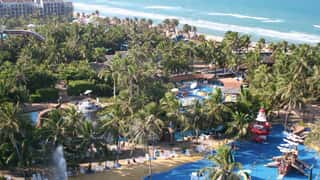
FreeThis is the postcard image of Maceio. You will walk along a promenade shaded by thousands of coconut palms that lean over the turquoise South Atlantic Ocean. The reef here keeps the water as calm as a swimming pool. It is recommended to walk from the 'I Love Maceio' sign toward the lighthouse to experience the full scale of the coastline. You'll find 'barracas'—beach clubs—every few hundred meters, like Lopana or Kanoa, which offer high-end seating, excellent cocktails, and clean facilities. Most visitors just stay in Pajuçara, but Ponta Verde is where the city feels most sophisticated. Look for the local vendors selling 'Cuscuz'—it’s a regional staple that locals eat for breakfast and lunch. Even if you don't swim, the sea breeze here makes it the most comfortable place in the city to escape the inland humidity. It delivers the quintessential Brazilian 'praia' experience without the chaos of Rio's beaches.
Av. Silvio Carlos Viana, Maceió, Brazil ·Open 24 hours ·maceio.al.gov.br
Pajuçara Craft Market (Feirinha de Pajuçara) · Cultural Site
FreeThis is more than a souvenir shop; it is the commercial heart of Alagoas' artisanal heritage. You have likely seen lace in other ports, but the 'Filé' lace found here is a specific technique where the lace is woven over a mesh net, creating vibrant, geometric patterns. Some visitors initially dismiss this location as a tourist trap, but then find themselves fascinated by the women demonstrating the weaving in the back stalls. Beyond lace, the market is the best place to buy local cashew nuts (castanha de caju), which are roasted locally and are significantly fresher than anything you will find in a US supermarket. The vendors are friendly and expect a small amount of haggling, but prices are generally fair. It delivers a concentrated look at the crafts of the Brazilian Northeast in a single, manageable location. Even a 30-minute stop provides a rich sensory experience of colors and textures unique to this corner of the South Atlantic Ocean.
Av. Dr. Antônio Gouveia, S/N - Pajuçara, Maceió ·+55 82 3337-1422 ·9:00 AM - 9:00 PM daily ·Not available
Catedral Metropolitana de Maceió · Historical Site
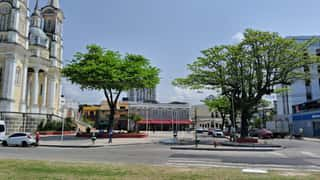
FreeInaugurated in 1859, this cathedral is the most significant religious building in Alagoas. It blends neoclassical and baroque styles, reflecting the wealth of the sugar barons who funded its construction. When you step inside, the temperature drops significantly, providing a rare moment of cool air in the city. The ceiling is particularly striking, with paintings that have survived over 150 years of coastal humidity. Most visitors skip the city center (Centro) entirely to stay at the beach, but a visit here provides a necessary historical anchor to your day. You'll see locals coming in for a quiet moment of prayer, offering a glimpse into the deep Catholic roots of Northeastern Brazil. It's a short stop—20 minutes is plenty—but it connects you to the 19th-century Maceio that existed before it became a resort destination. Consider taking a taxi directly to the door, as the walk through the commercial center can be disorienting for first-time visitors.
Praça Dom Pedro II, S/N - Centro, Maceió ·+55 82 3223-5013 ·8:00 AM - 5:00 PM daily ·www.arquidiocesedemaceio.org.br
Historical District of Jaraguá · Historical Site
FreeJaraguá was once the wealthiest neighborhood in Maceio, and its Rua Sá e Albuquerque is lined with the colorful, neoclassical warehouses that once stored the region's sugar exports. The distance from the terminal has been confirmed as the easiest bit of history to see, yet most cruise passengers drive right through it in a bus. You’ll see the influence of European architecture in the arched windows and ornate cornices. It is a quiet, atmospheric contrast to the high-rises of Ponta Verde. The district feels like a film set from a bygone era, though some sections are now occupied by government offices. It is worth a 20-minute walk simply to feel the original scale of the port. It provides a visual history of how the South Atlantic Ocean trade built this city. Do not expect shops or cafes here—it is a place for observation and photography rather than activity. The district represents the gritty, authentic roots of Maceio that most tourists ignore.
Rua Sá e Albuquerque, Jaraguá, Maceió ·Best during daylight hours ·Not available
Natural Pools of Pajuçara (Snorkeling) · Tourist Attraction
USD 50–70 BRLThis is Maceio’s signature experience. Traditional sailboats called Jangadas take you 2 km (1.2 miles) out to sea, where the coral reefs form a natural barrier. At low tide, the water trapped inside is crystal clear, calm, and only waist-deep. You can stand in the middle of the ocean and see schools of tropical fish without even wearing a mask. Visitor feedback is consistent that the 'floating bar' boats—which sell grilled cheese and caipirinhas right on the reef—are a highlight of their trip. The boat ride itself is peaceful, powered mostly by the wind. However, trust us: check the tide tables. If the tide is high, there is literally nothing to see but open water. If the tide is right, it is a milestone travel moment. The experience lasts about 2 hours total and is the primary reason ships stop in Maceio. It rewards those who plan their entire morning around the lunar cycle.
Offshore Pajuçara Beach, Maceió ·Tide dependent ·Not available
Eating & Drinking in Maceió
The culinary identity of Maceio is defined by the 'Sururu,' a small, flavorful mussel found in the nearby lagoons. It is typically served as a 'Caldinho' (thick soup) with coconut milk and dende oil—ask for it at any beach bar. Unlike southern Brazil, which focuses on grilled meats, Alagoas is all about seafood and 'Comida Sertaneja' (food from the dry interior). You must try the 'Carne de Sol,' which is salt-cured in the sun and then fried or grilled. For a drink, skip the standard beer and ask for a 'Cajuína' (non-alcoholic cashew soda) or a Caipirinha made with 'Seriguela' fruit. Street food is dominated by 'Tapioca'—crepes made from cassava starch filled with cheese or coconut. You will find the most genuine versions at the small stalls along the Pajuçara promenade. One honest note: tourists often expect spicy food like in Bahia, but Alagoan cuisine is generally milder, focusing more on the richness of coconut milk and fresh herbs.
| Place | Address | Phone | Hours | Website | Price range |
|---|---|---|---|---|---|
| Bodega do Sertão | Av. Júlio Marques Luz, 62 - Jatiúca, Maceió | +55 82 3327-1881 | 11:30 AM - 10:00 PM daily | bodegadosertao.com.br | 80–120 BRL (~$14.00–$21.00 USD) |
| Janga Restaurante | Av. Silvio Carlos Viana, 1731 - Ponta Verde, Maceió | +55 82 3028-0988 | 12:00 PM - 11:00 PM daily | restaurantejanga.com.br | 110–160 BRL (~$19.50–$28.00 USD) |
| Lopana | Av. Silvio Carlos Viana, 27 - Ponta Verde, Maceió | +55 82 3231-7484 | 9:00 AM - Midnight; Happy hour starts at 4:00 PM | lopana.com.br | 30–45 BRL (~$5.50–$8.00 USD) |
Bodega do Sertão
80–120 BRL (~$14.00–$21.00 USD)You cannot miss this place—it is shaped like a giant clay teapot. Inside, you'll find a buffet of traditional 'Sertanejo' (backcountry) food served from heavy iron pots. Order the Carne de Sol (sun-dried beef) which is incredibly tender after being simmered in cream. The decor is a treasure trove of rural Alagoan artifacts. It delivers a punchy, flavorful introduction to the Brazilian interior. One honest limitation: the buffet format can be overwhelming if you aren't familiar with the ingredients.
Av. Júlio Marques Luz, 62 - Jatiúca, Maceió ·+55 82 3327-1881 ·11:30 AM - 10:00 PM daily
Janga Restaurante
110–160 BRL (~$19.50–$28.00 USD)Located right in Ponta Verde, Janga specializes in the 'fruit of the sea.' The presentation is elegant, and the ingredients are caught just miles away in the South Atlantic Ocean. Try the grilled lobster; it’s a fraction of the price you’d pay in a US city. The service is attentive, and the atmosphere is air-conditioned—a huge plus in January. It is the perfect spot for a long, celebratory lunch before heading back to the ship.
Av. Silvio Carlos Viana, 1731 - Ponta Verde, Maceió ·+55 82 3028-0988 ·12:00 PM - 11:00 PM daily
Lopana
30–45 BRL (~$5.50–$8.00 USD)This is Maceio’s premier beach bar. It is the right place for a drink because it sits directly on the sand with a sophisticated deck. The staff are used to international travelers, and the cocktails are perfectly balanced. Order a drink with Cajá or Umbu fruit to taste the local flavors of the Northeast. The view of the turquoise water under the coconut palms is the reason you came to Brazil.
Av. Silvio Carlos Viana, 27 - Ponta Verde, Maceió ·+55 82 3231-7484 ·9:00 AM - Midnight; Happy hour starts at 4:00 PM
Getting There & Around
The primary way to move around once you leave the terminal is by walking along the coastal promenade or taking short taxi rides. The waterfront between Pajuçara and Ponta Verde is approximately 2.5 km (1.5 miles) of flat, paved walkway that is perfect for strolling. For longer distances, Uber is exceptionally reliable and roughly 30% cheaper than taxis, though you will need a data plan. A typical Uber from the port to Ponta Verde costs about 20–25 BRL (~$3.50–$4.50 USD). Do not rely on local buses; they are often overcrowded and routes are confusing for visitors. Bike rentals are available at several 'Bike Maceio' stations along the beach using a mobile app, and the city has a dedicated, separated cycle lane that runs the entire length of the urban coast. One navigation tip: many streets in Maceio change names as they cross neighborhood boundaries—always use the beach name as your primary landmark for orientation.
Itineraries & Sample Walks
4-Hour Shore Excursion in Maceió
Piscinas Naturais de Pajuçara
9:00 AM (120 min)
Board a traditional Jangada (sailboat) from the beach. The 15-minute sail takes you 2 km offshore to coral reefs that form waist-deep crystal pools. Look for the 'floating bars'—boats that serve drinks and snacks in the middle of the ocean.
- Taxi from Porto de Jaraguá (35 BRL (~$6.00 USD))
- Entry: 50 BRL ($8.50)
- The tide must be below 0.5m for the best experience. If the tide is rising, go here immediately upon disembarkation.
Feirinha de Artesanato da Pajuçara
11:15 AM (60 min)
The definitive spot for Alagoan crafts. Look specifically for 'Filé' lace, which is made only in this region. You'll also find high-quality leather goods and cashew nut products.
- 5-minute walk from the boat landing (Free)
- Entry: Free (Free)
- Walk to the very back of the market for the Filé lace—the stalls at the front carry more generic, mass-produced items.
Lunch Recommendation
Bodega do Sertão
It is a living museum of rural Alagoan life. While most tourists eat at generic beach buffets, this is where you taste the real spices and textures of the Brazilian interior.
Order: Carne de Sol com Nata (Sun-dried beef in cream), Tapioca Rendada
Av. Júlio Marques Luz, 62 - Jatiúca, Maceió
Cost: 100 BRL (~$17.50 USD) per person
8-Hour Full Day Experience in Maceió
Praia do Gunga
8:30 AM (180 min)
One of Brazil's most famous beaches. It sits at the tip of a sandbar between the South Atlantic Ocean and the Lagoa do Roteiro. Walk to the viewpoint (Mirante) for a panoramic view of the 100,000+ coconut trees.
- Private car or pre-booked excursion (250 BRL (~$44.00 USD) round trip)
- Entry: Free (Free)
- Rent a buggy to take you to the 'Falésias' (colored sand cliffs)—it's a 20-minute ride that most tourists miss by staying at the beach bars.
Lunch at Bodega do Sertão
12:30 PM (90 min)
An iconic restaurant housed in a giant clay pot building. It serves authentic Northeastern Brazilian cuisine from a massive wood-fired stove.
- 45-minute drive from Gunga (Included in car)
- Entry: Meal (Meal)
- Order the 'Carne de Sol com Nata'—it is the definitive dish of the region.
Ponta Verde Promenade & Lighthouse
2:30 PM (90 min)
Walk under the coconut palms. If the tide is extremely low, you can walk out onto the reef to the lighthouse. It's the most photographed spot in the city.
- 10-minute taxi (20 BRL (~$3.50 USD))
- Entry: Free (Free)
- Stop at the 'Banca do Zé' for a fresh chilled coconut—the price is fixed at 5 BRL (~$0.85 USD).
Getting back to the ship
To guarantee your return to the ship, you should leave the Ponta Verde or Pajuçara area no later than 60 minutes before your 'All Aboard' time. While the journey is only 10–15 minutes, afternoon traffic in Maceio can be dense as locals leave work. A taxi from Pajuçara to the terminal will cost approximately 35 BRL (~$6.00 USD). If you find yourself running late, call the Port of Maceio emergency line at +55 82 2123-1700, though they cannot guarantee the ship will hold. If you miss the ship, you will likely have to fly to the next port (often Salvador or Recife), which requires a domestic flight from Zumbi dos Palmares International Airport (MCZ), a 45-minute drive from the port. You will find that Brazilian port authorities are strict about departure times.
Weather & Best Time to Visit Maceió
Weather & What to Pack
Cruise season: October to April
25°C–32°C (77°F–90°F). Humidity remains high at 75%+. Short, sharp tropical showers are common.
What to wear: Lightweight, breathable cotton or linen clothing is essential. You will be walking on smooth pavement and sand, so high-quality walking sandals with grip (like Teva or Ecco) are better than flip-flops. Bring a swimsuit and a quick-dry cover-up. A wide-brimmed hat is mandatory—the equatorial sun here is much stronger than in Florida or the Mediterranean.
Weather risks: Extreme heat advisories in January. Coastal winds can occasionally make the Jangada crossing to the reefs choppy.
Early in the season (October/November) has the best water clarity for snorkeling.
| Season | Conditions | Hazards | Affected areas | Visitor advice |
|---|---|---|---|---|
| Summer (December–March) | Hot and humid with temperatures frequently exceeding 30°C (86°F). This is the peak Brazilian holiday season. | Intense solar radiation on the exposed beaches. The 'Calçadão' (promenade) pavement can become hot enough to burn bare skin. | Ponta Verde and Pajuçara beaches; Jangada boat transfers to the reefs. | Wear a high-SPF sunscreen and a wide-brimmed hat. Avoid the natural pools between 12:00 PM and 2:00 PM when the sun is directly overhead with no shade on the water. |
| Winter / Rainy Season (May–August) | Frequent heavy downpours, though temperatures remain warm at 24°C–26°C (75°F–79°F). | The historic cobblestones in Jaraguá become extremely slippery when wet. Coastal water clarity drops significantly after heavy rain. | Rua Sá e Albuquerque; the natural pools (clarity is reduced). | Carry a sturdy umbrella. If it has rained heavily for 24 hours, skip the natural pool tour as the visibility underwater will be poor. |
Practical Information
Cultural etiquette
Locals in Maceio are warm and informal. A single kiss on each cheek is the standard greeting for women, while men usually exchange a firm handshake with a pat on the shoulder. In dining, meals are a social event; you'll notice that splitting a 'prato feito' (standard plate) is very common among locals because the portions are huge. When you are finished, place your knife and fork parallel on the plate. Photography is generally welcome, but always ask 'Posso?' (May I?) before taking a close-up photo of a lace weaver or vendor. Queueing behavior is generally relaxed; do not be surprised if the line at a pharmacy or market feels disorganized—patience is a local virtue here. Tipping is not mandatory but highly appreciated; 10% is usually included in restaurant bills, but adding an extra 5–10 BRL (~$1.00–$2.00 USD) for exceptional service is a kind gesture. A common misunderstanding cruise passengers make is expecting English to be widely spoken; outside of the major hotels and premium restaurants, you will need basic Portuguese or a translation app.
Mistakes to Avoid
| Mistake |
|---|
Ignoring the tide chart before booking a natural pools trip. |
Walking from the Porto de Jaraguá terminal to the beaches. |
Trying to visit Maragogi on a 6 or 7-hour port call. |
Expecting the 'Feirinha' market to be cheaper than the main Craft Pavilion. |
Practical tips
Local currency is the Brazilian Real (BRL). Credit cards are accepted almost everywhere, including by beach vendors with mobile machines, but small 'jangada' boats to the pools are often cash-only—bring at least 200 BRL (~$35 USD) for the day. Tipping is typically 10% (often included as a 'serviço' charge). Learn these five phrases: 'Bom dia' (Good morning), 'Obrigado' (Thank you), 'Quanto custa?' (How much is it?), 'Por favor' (Please), and 'A conta, por favor' (The bill, please). Pickpockets operate in the Pajuçara Market and near the 'I Love Maceio' sign; keep your phone and wallet in your front pocket or a crossbody bag. There is no strict dress code for the Cathedral, but avoid swimwear inside. The best time to visit the natural pools is always dictated by the tide; if the tide is low at 8:30 AM, be at the beach at 8:00 AM. If you wait until 11:00 AM, the opportunity is gone for the day.
Cruise Lines Visiting Maceió
Port of Call




Embarkation / Disembarkation
Why Book With Waterways Cruise?
Four decades of expertise, one dedicated advisor, and every detail handled, from your front door to the gangway and back.
Personal Service — Your Own Cruise Concierge
Tailor-Made — 100% Custom-Built
Expertise — 40+ Years in Travel
Price Watch — Book With Total Confidence
Signature Sailings
All Cruise Lines at Maceió (A–Z)
Nearby Ports




FAQ — Maceió
What is the best way to see the colored cliffs without a long excursion?
If you don't have time for Praia do Gunga, you can take a shorter 25-minute taxi to the 'Mirante da Sereia' north of the city. While smaller, it offers a glimpse of the red sand formations typical of the Alagoan coast for a 40 BRL (~$7.00 USD) fare. It’s a great alternative for a 4-hour port call. For a more tailored experience, a private driver to whisk you to the best viewpoints and back in under 3 hours can be arranged in advance.
Can I use US Dollars to pay for the Jangada boat to the pools?
No, boatmen are independent locals and almost exclusively accept Brazilian Real (BRL) cash. A few might have mobile credit card machines, but connectivity offshore is spotty. Plan to pay 50–70 BRL (~$8.50–$12.00 USD) per person. Always exchange currency at the terminal or withdraw from an ATM before heading to the boat landing at Pajuçara beach.
Is the water safe for swimming at the urban beaches in Maceio?
Generally, yes, especially in Ponta Verde. However, after heavy tropical rain, urban runoff can temporarily affect water quality. Look for the 'Bandeira' (flags) posted by IMA (Environmental Institute)—green means safe, red means avoid. The natural pools offshore are always safe as they are 2 km away from the shoreline. For the most up-to-date beach reports, it is recommended to check the IMA Alagoas website on the morning of your arrival.
How do I know if the tide is right for the natural pools today?
The pools only 'open' for about 2 hours around low tide. The window is best from 60 minutes before to 60 minutes after the low tide mark. You can find the tide table by searching 'Tábua de Marés Maceió' on any search engine. If low tide is more than 0.7 meters, the experience is not worth the cost as the reef will be covered.
Is there a beach club near the port with a swimming pool?
Yes, 'Lopana' and 'Kanoa' in Ponta Verde are the best options. They don't have full-sized swimming pools, but they offer high-end loungers, showers, and direct access to the calmest reef-protected sea in the city. Expect to spend about 150 BRL (~$26.00 USD) per person on food and drinks for a full afternoon of comfort. Premium seating at these clubs during peak season can be booked in advance.
What is the most famous local dish I should try for lunch?
The most famous dish is 'Chiclete de Camarão' (Shrimp Chiclet)—a rich blend of shrimp sautéed in herbs and five different types of cheese, served bubbling hot. The best place to try it is at 'Imperador dos Camarões' on the Pajuçara beachfront. It costs roughly 140 BRL (~$24.50 USD) for a portion that easily serves two people. It is the definitive 'tourist' dish that locals also genuinely love.
Is it safe to walk around the Jaraguá district near the terminal?
During the day, the main street (Rua Sá e Albuquerque) is safe as there is a heavy presence of port and government workers. However, avoid the empty side streets and don't walk there at night. Most cruise passengers find it more comfortable to take a taxi through Jaraguá to see the architecture rather than walking the narrow, uneven sidewalks. Always keep your camera and phone secure while in the historic district.
What is Filé lace and where is the best place to buy it?
Filé is a UNESCO-recognized embroidery technique unique to Alagoas. Unlike traditional lace, it is worked over a net (similar to a fishing net) and features colorful tropical designs. The best place to buy it is at the Pajuçara Craft Market or the 'Pontal da Barra' neighborhood. A high-quality blouse starts at 120 BRL (~$21.00 USD). This is the single most authentic souvenir you can bring home from Maceio.
How much should I pay for a taxi from the port to Pajuçara?
The fair price is between 30 and 40 BRL (~$5.50–$7.00 USD). Taxis are metered (using 'Bandeira 1' on weekdays and 'Bandeira 2' on Sundays/Holidays). If a driver quotes you more than 50 BRL, wait for another car or use Uber. Official taxis at the port are white with blue stripes and are generally very reliable and safe for cruise passengers.
Are there any good museums within walking distance of the cruise ship?
The MISA (Museum of Image and Sound) is located in Jaraguá, about a 10-minute walk from the terminal gates. It is housed in a beautiful 19th-century building and entry is usually free or under 5 BRL (~$0.85 USD). It’s a small, quiet museum that provides a look at Alagoas' cinematic and musical history. It’s an excellent, low-stress stop if you want to see a bit of culture before heading to the beach.
Fact-checked and co-written by J. Richard, Founder, Waterways Cruise, with the Waterways Cruise Content Team.
Published May 19, 2026 · Last updated November 2, 2026
This guide is researched and reviewed by our editorial team, but prices, hours, and availability change often. Confirm current details directly with venues, excursion operators, and your cruise line before you travel.