Egypt Cruise Ports & Cruise Guide
Total 16 · 9 river · 7 ocean
- Alexandria
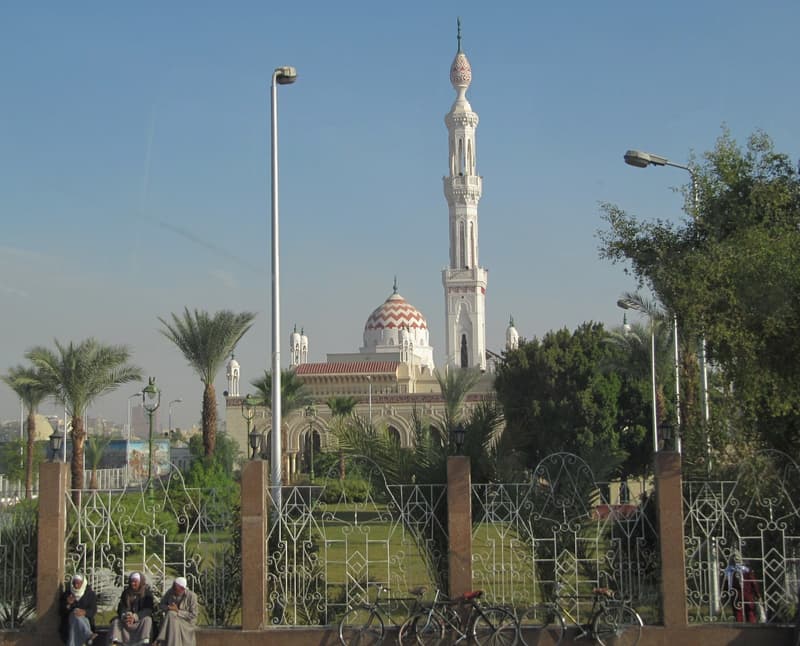
- Aswan
- Cairo
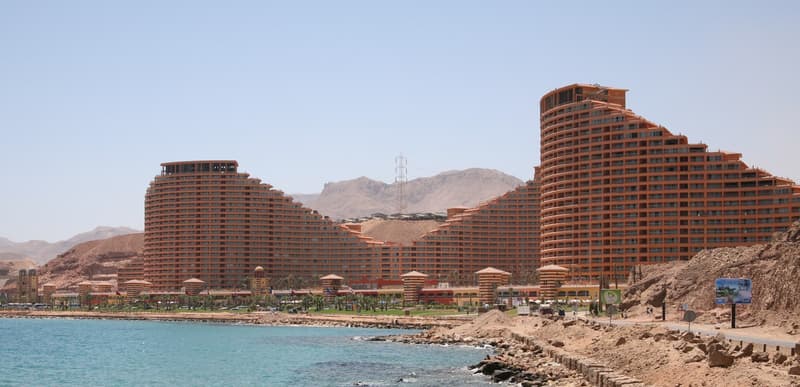
- Port Said
- Qena
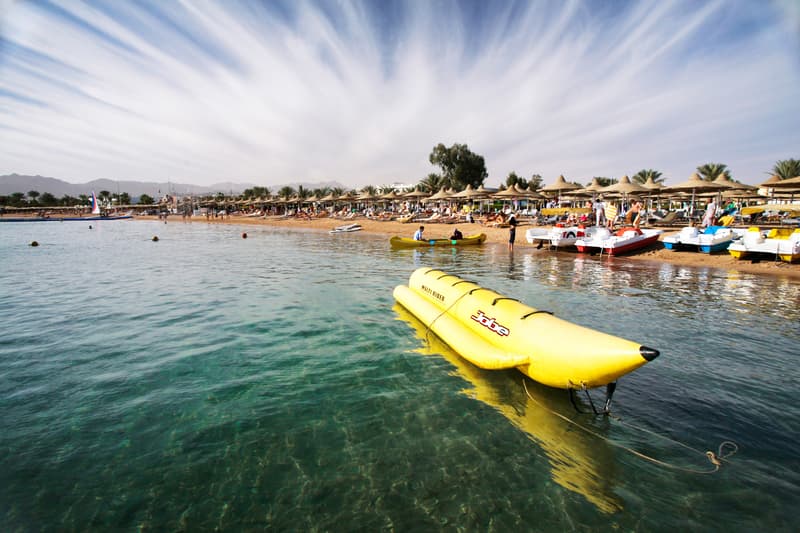
- South Sinai
This page is an overview of the 16 cruise ports in Egypt, covering river and ocean cruises. Cruises start and end at Aswan, Luxor, Suez Canal. 50 cruise ships visit Egypt across 16 ports. See live sailings and availability on the Egypt cruises page.


Egypt is the definitive Nile destination, combining Pharaonic temples, desert monuments, and the living river corridor that made them possible. For the milestone traveler, the ideal experience is a small-ship or dahabiya Nile cruise between Luxor and Aswan, with private guides, early-morning visits, and a quiet overnight in Cairo before flying south.
Country facts
History
Egypt's history spans more than five millennia, from the unification of Upper and Lower Egypt through the Pharaonic, Ptolemaic, Roman, Islamic, Ottoman, and modern republican eras. The Nile's annual flood allowed one of the world's earliest complex civilizations to emerge, leaving a monumental architectural legacy that still defines global imagination.
This timeline is compressed. Egypt's history is far more layered than a list of dynasties and conquests, and modern Egypt is a complex society with deep Arab, African, and Mediterranean identities.
Culture
Egyptians are famously hospitable and take pride in a cultural crossroads of Pharaonic, Coptic, Islamic, and Nubian heritage. Family, humor, and resilience are central to daily life.
Music: Umm Kulthum remains the defining voice of Egyptian music; contemporary pop, shaabi, and Mahraganat are popular in the streets.
Signature landscape: The Nile River and the desert that frames it; the river's ancient annual flood made Egyptian civilization possible.
Cuisine
- Koshari (lentils, rice, pasta, chickpeas, tomato sauce)
- Ful medames (stewed fava beans)
- Taameya (Egyptian falafel)
- Molokhia (jute leaf soup)
- Mahshi (stuffed vegetables)
- Grilled fish and seafood along the coast
- Stuffed pigeon (hamam mahshi)
- Konafa and basbousa (desserts)
- Mint tea and hibiscus (karkadeh)
Architecture & heritage
- Pyramids of Giza
- Great Sphinx
- Karnak and Luxor temples
- Valley of the Kings
- Abu Simbel
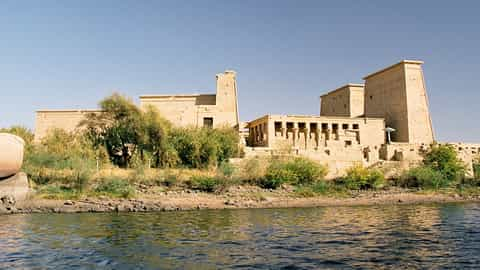
- Philae Temple
- Coptic churches of Old Cairo
- Medieval Islamic Cairo and Al-Muizz Street
- Colonial-era Alexandria and the Bibliotheca Alexandrina
Tips for American travellers
- Dress modestly at mosques, churches, and rural communities.
- Bring sunscreen, a hat, and sunglasses even in winter.
- Carry small Egyptian pound notes for tipping and small purchases.
- Drink only bottled or filtered water; avoid ice unless from a trusted hotel.
- Agree on taxi fares before the ride or use a hotel-arranged car.
- Keep a photocopy of your passport and entry visa separate from the original.
- Avoid political discussions and be respectful of security personnel.
Major cities & destinations
Cairo Capital city and gateway
Egypt's sprawling capital holds the Egyptian Museum, the new Grand Egyptian Museum, Coptic Cairo, Islamic Cairo, and the Khan el-Khalili bazaar.
Nearly every Nile cruise itinerary begins in Cairo with hotel nights and a visit to Giza before flying or driving south to the embarkation point.
Egyptian Museum Grand Egyptian Museum National Museum of Egyptian Civilization Coptic Cairo Islamic Cairo and Al-Muizz Street Khan el-Khalili bazaarGiza Archaeological city and suburb of Cairo
Home to the Giza pyramid complex and the Great Sphinx, the most iconic ancient site in the world.
A day excursion from Cairo before or after a Nile cruise; the pyramids are not directly on the river route.
Great Pyramid of Khufu Pyramid of Khafre Pyramid of Menkaure Great Sphinx Solar Boat Museum Grand Egyptian Museum (nearby)Luxor River port and ancient city
Luxor, ancient Thebes, is the world's largest open-air museum, with Karnak, Luxor Temple, and the West Bank tombs.
The most common embarkation and debarkation point for classic Nile cruises between Luxor and Aswan.
Karnak Temple Luxor Temple Valley of the Kings Mortuary Temple of Hatshepsut Colossi of Memnon Medinet HabuAswan River port and southern city
Aswan is the gateway to Philae, the High Dam, Nubian culture, and Abu Simbel, with a slower, more relaxed pace than Luxor.
The southern terminus for most Nile cruises and the base for Abu Simbel excursions by road or air.
Philae Temple Aswan High Dam Unfinished Obelisk Nubian Museum Kitchener's Island Felucca ride on the NileAlexandria Mediterranean port city
A city of Greco-Roman and cosmopolitan heritage with the Bibliotheca Alexandrina, Qaitbay Citadel, and seaside charm.
Usually a pre- or post-cruise overland extension from Cairo; not a Nile port of call.
Bibliotheca Alexandrina Qaitbay Citadel Catacombs of Kom El Shoqafa Roman Amphitheater Montaza PalaceAbu Simbel Archaeological site
The Great Temple of Ramesses II and the Temple of Hathor, relocated to escape Lake Nasser's waters, are among the most dramatic monuments in Egypt.
Reached as a shore excursion from Aswan; some Lake Nasser cruises stop directly at Abu Simbel.
Great Temple of Ramesses II Temple of Hathor and NefertariCruise ports of call
The classic Nile cruise operates between Luxor and Aswan, with stops at Esna, Edfu, and Kom Ombo. Cairo is the overland gateway; some longer itineraries include Nile sailing segments near Cairo. Port infrastructure ranges from small floating docks to temple-side landings, and docking positions can change with water levels.
- Classic Nile between Luxor and Aswan
- Cairo to Luxor or Aswan (longer itineraries with overland connection)
Luxor Classic Nile between Luxor and Aswan
The former Thebes is the largest open-air museum on the planet. Most classic cruises begin or end here, with the East Bank temples and West Bank tombs nearby.
Best for: Temple- and tomb-heavy sightseeing; hot-air balloon rides
Operators: Viking Cruises, Uniworld, Avalon Waterways, AmaWaterways, Tauck, Emerald Cruises, Nour El Nil, Sanctuary Retreats, Oberoi Zahra, Abercrombie & Kent
Esna Classic Nile between Luxor and Aswan
Ships pass through the Esna Lock; the town's Temple of Khnum is often visited by a short walk from the dock.
Best for: River lock passage and a less crowded temple
Operators: Viking Cruises, Uniworld, Avalon Waterways, AmaWaterways, Tauck, Emerald Cruises, Nour El Nil, Sanctuary Retreats, Oberoi Zahra
Edfu Classic Nile between Luxor and Aswan
Home to the best-preserved Ptolemaic temple in Egypt, dedicated to Horus.
Best for: The Temple of Horus; horse-drawn carriage ride from the dock
Operators: Viking Cruises, Uniworld, Avalon Waterways, AmaWaterways, Tauck, Emerald Cruises, Nour El Nil, Sanctuary Retreats, Oberoi Zahra
Kom Ombo Classic Nile between Luxor and Aswan
Unusual double temple dedicated to Sobek and Horus the Elder, set high above a bend in the Nile.
Best for: Sunset views of the Nile and crocodile mummies
Operators: Viking Cruises, Uniworld, Avalon Waterways, AmaWaterways, Tauck, Emerald Cruises, Nour El Nil, Sanctuary Retreats, Oberoi Zahra
Aswan Classic Nile between Luxor and Aswan
Egypt's southern gateway, famous for Philae, the High Dam, and the start of the road to Abu Simbel.
Best for: Felucca sailing, Nubian culture, and Abu Simbel excursions
Operators: Viking Cruises, Uniworld, Avalon Waterways, AmaWaterways, Tauck, Emerald Cruises, Nour El Nil, Sanctuary Retreats, Oberoi Zahra, Abercrombie & Kent
Cairo Cairo to Luxor or Aswan (longer itineraries with overland connection)
Not a traditional Nile cruise port, but the arrival city for nearly every Egypt itinerary; some lines include a Nile sailing segment near Cairo.
Best for: Egyptian Museum, Grand Egyptian Museum, Coptic Cairo, Islamic Cairo
Operators: Viking Cruises, Uniworld, Avalon Waterways, AmaWaterways, Tauck, Emerald Cruises, Abercrombie & Kent
A smaller but growing set of operators offers sailing on Lake Nasser between Aswan and Abu Simbel; these are not traditional Nile cruises but are often combined with them. Dahabiya vessels, carrying 8-20 passengers, are ideal for travelers who want to avoid large ships.
All cruise ports in Egypt
Ships visiting by type: 31 ocean 19 river
Showing 16 ports in Egypt




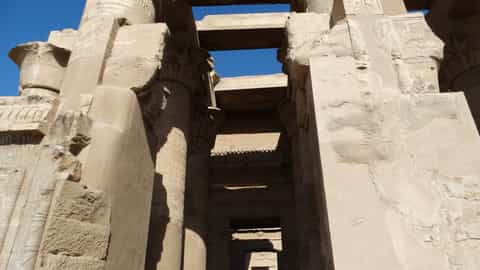
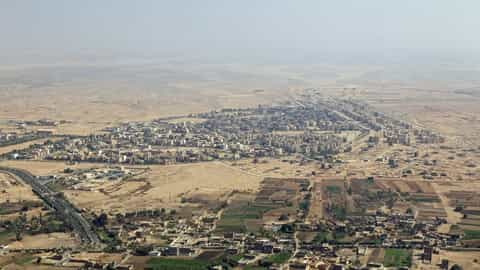

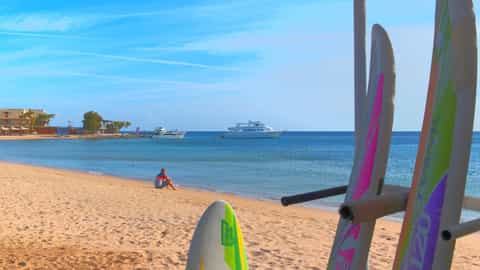

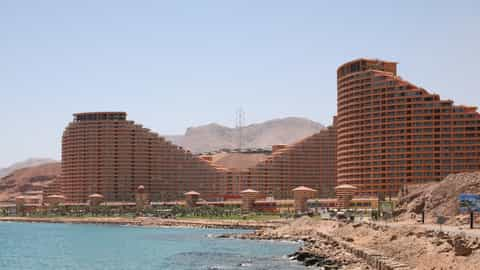




River cruises & routes
The Nile remains the spine of Egypt's cruise travel. Most itineraries are between Luxor and Aswan, with four to seven nights on board and daily temple excursions. Longer programs add Cairo, Giza, and sometimes Abu Simbel or Lake Nasser.
| Route | Length | Countries | Highlights |
|---|---|---|---|
| Classic Luxor-Aswan Nile Cruise | 7 nights / 8 days | Egypt | Karnak, Luxor Temple, Valley of the Kings, Edfu, Kom Ombo, Philae, optional Abu Simbel |
| Cairo, Giza & Nile Valley | 10-12 days | Egypt | Cairo, Giza pyramids, fly to Luxor, Nile cruise, Aswan, Abu Simbel |
| Nile & Lake Nasser | 12-14 days | Egypt | Cairo, Luxor, Aswan, Philae, Abu Simbel, Lake Nasser sailing |
Season: October through April is the prime cruising season. December and January are busiest; summer sailings are less frequent because of heat.
Cruise lines visiting Egypt
International river cruise lines, boutique operators, and traditional dahabiya companies all sail the Nile. Ship sizes range from about 8 passengers on a dahabiya to 80 or more on a standard river ship.
Viking Cruises
Cairo, Luxor, Aswan; classic Nile itinerary
Ships: Viking Ra, Viking Aton, Viking Osiris
Tauck
Cairo, Luxor, Aswan; private guides included
Ships: Varies by season; typically a 25- to 40-cabin boutique ship
Nour El Nil
Esna to Aswan; intimate Nile sailing
Ships: Traditional dahabiya fleet (names vary)
Sanctuary Retreats
Luxor to Aswan; private charters
Ships: Sanctuary Nile Adventurer, Sanctuary Zein
Oberoi Zahra
Luxor to Aswan; all-inclusive luxury
Ships: Oberoi Zahra
Abercrombie & Kent
Cairo, Luxor, Aswan; private Egyptology guides
Ships: Sun Boat IV
Lines range from international river ships to dahabiyas. For travelers who dislike being herded, dahabiyas and boutique ships are better; they dock in quieter spots and offer more flexible shore excursions.
Planning & advice
You may be seeking meaning and comfort. Egypt offers one of the world's greatest historical narratives, and a well-chosen river cruise lets you experience it without constant repacking or chaotic logistics.
For the American traveller
- U.S. citizens need a visa; an e-visa can be obtained before arrival.
- Check the U.S. Department of State travel advisory for Egypt before booking.
- Carry a mix of U.S. dollars and Egyptian pounds; small bills are essential for tipping.
- Tap water is not safe to drink; rely on bottled water provided by hotels and ships.
- Drones are prohibited; some tombs and temples restrict photography.
- Security checks are routine; keep your passport or a certified copy with you at all times.
Excursion planning
- Book a private guide through your cruise line or a reputable agency to avoid the herd.
- Start early, ideally 7 a.m., to beat crowds at Karnak and the Valley of the Kings.
- If possible, fly to Abu Simbel instead of taking the three-hour road convoy.
- Ask whether your ship docks near the temple or requires a carriage or tender.
- Consider a dahabiya for a more intimate, flexible pace.
- Request a late-afternoon or sunset time at Philae and Kom Ombo when crowds thin.
The verdict
Choose Egypt for the Nile, not just the pyramids. A small-ship or dahabiya itinerary with private guides gives the depth and dignity milestone travelers want.
Sources
- CIA — The World Factbook: Egypt (accessed 2026-09-09)
- Encyclopaedia Britannica — Egypt (accessed 2026-09-09)
- UNESCO World Heritage Centre — Ancient Thebes with its Necropolis (accessed 2026-09-09)
- UNESCO World Heritage Centre — Nubian Monuments from Abu Simbel to Philae (accessed 2026-09-09)
- Wikivoyage — Egypt (accessed 2026-09-09)
- Egypt Tourism Authority — Egypt Travel Portal (accessed 2026-09-09)