Safaga Cruise Port
The transit from Safaga to the temples of Luxor requires a 225 km (140-mile) journey across the Eastern Desert, typically taking 3.5 hours each way by road. This is an industrial terminal on the Red Sea coast in the Red Sea Governorate of eastern Egypt, serving as the critical gateway to the Nile Valley's ancient treasures. Travelers should expect a landscape of phosphate silos and heavy machinery upon arrival; the terminal itself offers no walkable attractions or cultural immersion. You are here for one reason: to reach the monumental sites of Luxor, which sit a grueling but rewarding distance from the pier. Hurghada, a major resort hub, is 60 km (37 miles) north, while the luxury enclave of Soma Bay is just 22 km (14 miles) away. Keep in mind that local security protocols often dictate vehicle movements, making independent exploration of the Nile Valley complicated for first-time visitors. This is a high-stakes port that punishes those who disembark without pre-arranged transport but rewards the endurance of those who brave the long desert crossing. You cannot realistically see the Red Sea reefs and the Luxor tombs in the same day. Choose your priority before you step onto the gangway.
Safaga Port Authority Cruise Terminal


Safaga, Egypt Port
UN/LOCODE EGSGA Port of call Homeport
Safaga Cruise Port Location
| Port Details | |
|---|---|
| Country | Egypt |
| UN/LOCODE | EGSGA |
| Contact | |
| Address | Port Safaga, Red Sea Governorate, Egypt |
| Port phone | +20 65 3260100 |
| Website | www.rspa.gov.eg |
| Geography | |
| Coordinates | 26.75750, 33.93667 |
| Accessibility | |
| Accessible | Limited |
The transit from Safaga to the temples of Luxor requires a 225 km (140-mile) journey across the Eastern Desert, typically taking 3.5 hours each way by road. This is an industrial terminal on the Red Sea coast in the Red Sea Governorate of eastern Egypt, serving as the critical gateway to the Nile Valley's ancient treasures. Travelers should expect a landscape of phosphate silos and heavy machinery upon arrival; the terminal itself offers no walkable attractions or cultural immersion. You are here for one reason: to reach the monumental sites of Luxor, which sit a grueling but rewarding distance from the pier. Hurghada, a major resort hub, is 60 km (37 miles) north, while the luxury enclave of Soma Bay is just 22 km (14 miles) away. Keep in mind that local security protocols often dictate vehicle movements, making independent exploration of the Nile Valley complicated for first-time visitors. This is a high-stakes port that punishes those who disembark without pre-arranged transport but rewards the endurance of those who brave the long desert crossing. You cannot realistically see the Red Sea reefs and the Luxor tombs in the same day. Choose your priority before you step onto the gangway.
Safaga — Port Overview
History
Safaga was historically known as Philotera, founded by Satyrus in the 3rd century BCE and named in honor of the deceased sister of Ptolemy II Philadelphus. Its strategic position on the Red Sea made it a vital link for the Roman Empire’s trade routes to India and East Africa. During the 19th century, the discovery of significant phosphate deposits transformed the town from a sleepy fishing village into a primary industrial hub for Egypt. You will see evidence of this today in the towering silos and the specialized conveyor belts that dominate the horizon. In World War II, the port played a minor logistical role for Allied forces in North Africa, though it remained largely overshadowed by Suez. The modern terminal as it appears today was significantly expanded in the late 20th century to accommodate the export of mineral wealth and the arrival of international pilgrims heading to Saudi Arabia. However, for most travelers, the most significant historical connection is the ancient road leading through the Wadi Hammamat. This route was used by pharaonic expeditions as early as 2000 BCE to transport gold, siltstone, and greywacke from the desert mines to the Nile. When you look toward the jagged mountains of the Eastern Desert, you are viewing the same skyline that greeted Roman merchant sailors and Egyptian quarry slaves three millennia ago.
The Verdict
Travelers who benefit most from Safaga are the ones who arrive with a plan and the flexibility to adapt it. This guide has been fact-checked by J. Richard and the Waterways Cruise editorial team. Excursions that guarantee a return to the ship can be tailored to your mobility, interests, and pace, so missing departure is never a concern. No two travelers want the same day ashore, especially in a destination as demanding and rewarding as Egypt.
Things to Do & See in Safaga
| Attraction | Type | Address | Phone | Hours | Website | Admission |
|---|---|---|---|---|---|---|
| Karnak Temple Complex | Historical Site | Karnak, Luxor, Egypt | +20 95 2311662 | 6:00 AM – 5:30 PM Daily | egymonuments.gov.eg | USD EGP 450 |
| Valley of the Kings | Historical Site | West Bank, Luxor, Egypt | +20 95 2311662 | 6:00 AM – 5:00 PM Daily | egymonuments.gov.eg | USD EGP 600 |
Karnak Temple Complex · Historical Site
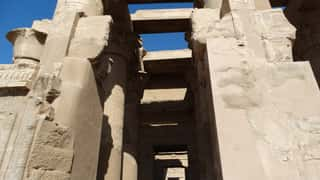
USD EGP 450Karnak is more than a temple; it is a sprawling city of gods built over 1,500 years. As you enter the Precinct of Amun-Re, the sheer scale of the 134 columns in the Hypostyle Hall—some rising 21 meters—will leave you speechless. Shade patterns were measured, and staying among the center columns during the 11:00 AM peak heat is recommended. Look closely at the columns to find original red and yellow pigments that have survived for three millennia. Most visitors rush to the Sacred Lake, but it is a good idea to pause at the Great Obelisk of Hatshepsut, the tallest surviving ancient obelisk in Egypt. This stop gives you a profound sense of the pharaonic obsession with eternity and divine power. It is hot, dusty, and loud, but it remains the most architecturally significant site in the Nile Valley.
Karnak, Luxor, Egypt ·+20 95 2311662 ·6:00 AM – 5:30 PM Daily ·egymonuments.gov.eg
Valley of the Kings · Historical Site
USD EGP 600This limestone valley holds the secrets of Egypt’s greatest pharaohs, including Ramesses II and Seti I. When you descend into the tombs, the air becomes still and heavy with the scent of old stone. The colors of the frescoes—vivid blues, ochres, and reds—look as though they were painted yesterday, not 3,000 years ago. It is a good idea to use your three-tomb ticket for KV11 (Ramesses III) and KV2 (Ramesses IV) for their size and clarity. The experience is intimate and haunting; you are standing in the very chambers designed to launch a king into the afterlife. Be prepared for the 'valley effect'—the limestone walls reflect heat intensely, making it feel 5 degrees hotter than Luxor city. It is a place of profound silence and spectacular art that no textbook can prepare you for.
West Bank, Luxor, Egypt ·+20 95 2311662 ·6:00 AM – 5:00 PM Daily ·egymonuments.gov.eg
Eating & Drinking in Safaga
Upper Egyptian cuisine is defined by its use of local Nile-irrigated produce and sun-dried ingredients. The regional identity revolves around 'Fattah'—a celebratory dish of layers of crispy bread, rice, and meat topped with a garlic-vinegar sauce. Unlike the Mediterranean-influenced food of Alexandria, Luxor’s flavors are deeper and earthier. You must try 'Karkade' (chilled hibiscus tea), which is the unofficial drink of the region and known for its cooling properties. Street food like 'Ta'ameya' (Egyptian falafel made with fava beans) is ubiquitous, but cruise passengers are advised to only eat it at reputable hotels or restaurants like Al-Sahaby Lane. Tourists often expect heavy spices, but authentic local food is surprisingly subtle, relying on fresh cumin, coriander, and lemon. For a genuine treat, seek out 'Aish Shamsi' (sun bread), which is fermented in the Upper Egyptian sun and has a sourdough-like chew that you won't find in Cairo.
| Place | Address | Phone | Hours | Website | Price range |
|---|---|---|---|---|---|
| 1902 Restaurant | Old Cataract Hotel, Aswan Road, Luxor | +20 95 2372299 | 7:00 PM – 11:00 PM (Requires a late port stay) | all.accor.com | EGP 3500 (~$60.00 USD) |
| The Lantern Room | Al-Rawda Al-Sharifa St, Luxor | +20 100 357 5345 | 1:00 PM – 10:00 PM | EGP 1200 (~$20.50 USD) | |
| The Jetty Bar at Soma Bay | Sheraton Soma Bay, Red Sea | +20 65 3562584 | 10:00 AM – Sunset | marriott.com | EGP 600 (~$10.50 USD) |
1902 Restaurant
EGP 3500 (~$60.00 USD)Located in the hotel where Agatha Christie wrote 'Death on the Nile,' this restaurant sits under a spectacular 20-meter high dome. The service is formal and old-world. You must order the stuffed pigeon, a delicacy prepared here with French precision. While it requires a very late departure from Safaga, it is the most atmospheric meal in Egypt. Note the strict formal dress code—no shorts or sandals are permitted.
Old Cataract Hotel, Aswan Road, Luxor ·+20 95 2372299 ·7:00 PM – 11:00 PM (Requires a late port stay)
The Lantern Room
EGP 1200 (~$20.50 USD)A small, impeccably clean oasis in the heart of Luxor. The owner, a British expat, ensures that every vegetable is washed in mineral water, making it the safest choice for travelers worried about 'mummy's tummy.' The Beef Wellington is surprisingly excellent. It provides a familiar, calm environment to process the morning's temple visits before the long drive back to Safaga.
Al-Rawda Al-Sharifa St, Luxor ·+20 100 357 5345 ·1:00 PM – 10:00 PM
The Jetty Bar at Soma Bay
EGP 600 (~$10.50 USD)Perched at the end of an 800-meter wooden pier extending into the Red Sea. This is the place to be if you skip Luxor. You can watch the kite surfers in the distance while sipping a cold drink. The music is low-tempo lounge, and the service is attentive. It feels a world away from the industrial dust of Safaga Port.
Sheraton Soma Bay, Red Sea ·+20 65 3562584 ·10:00 AM – Sunset
Getting There & Around
Once you leave the industrial confines of Safaga Port, your options depend entirely on your destination. For Luxor, you must use a pre-arranged tour bus or a licensed private car; independent driving is not recommended due to security checkpoints on the Safaga-Qena road. Taxis within Safaga are unmetered; always agree on the price (in EGP) before the wheels turn. Uber does not operate reliably in Safaga, though it is active in Hurghada. For those heading to Soma Bay, resort-provided transfers are the safest and most efficient method. If you are exploring Safaga town, walking is only viable within the central market area after a taxi drop-off. The walking distance from the port gate to the nearest pharmacy is 1.8 km (1.1 miles) under intense sun; do not attempt this. One navigation tip: many road signs are in Arabic only; keep a photo of your ship’s contact card and your destination name in Arabic on your phone.
Itineraries & Sample Walks
4-Hour Shore Excursion in Safaga
Soma Bay Marina
9:00 AM (120 min)
Enjoy the refined atmosphere of the marina, featuring upscale cafes and views of the Red Sea. Most visitors miss the small art gallery located near the white-domed mosque which showcases local Red Sea artists.
- Private car or resort shuttle from Safaga Port Gate. (EGP 600 (~$10.50 USD))
- Entry: Free (Public areas) (Free)
- Book a short 'glass-bottom boat' tour from the marina to see the reefs without getting wet.
Safaga Local Souq
11:30 AM (60 min)
A raw, un-touristed market. You can find excellent local hibiscus tea (Karkade) and hand-woven baskets. This is the best place to observe the local lifestyle away from the cruise industry.
- 15-minute taxi return toward the port. (EGP 250 (~$4.50 USD))
- Entry: Free (Free)
- Do not take photos of people without asking; it is particularly sensitive in this non-tourist area.
Lunch Recommendation
Al-Sahaby Lane Restaurant
It offers a rooftop view of Luxor Temple and the Nile, providing a peaceful escape from the street vendors below. The food is consistently fresh and hygienic for international travelers.
Order: Camel Burger (a local specialty), Classic Egyptian Meze Platter
Sahaby Lane, Luxor (near Luxor Temple)
Cost: EGP 900 (~$15.50 USD)
8-Hour Full Day Experience in Safaga
Valley of the Kings
7:30 AM (150 min)
The burial site of New Kingdom pharaohs. Your ticket includes entry to three tombs. Most visitors miss the Tomb of Merenptah (KV8), which features incredible astronomical ceilings and far fewer crowds.
- 3.5-hour private desert transfer from Safaga Port. (EGP 5800 (~$100.00 USD) for private car)
- Entry: EGP 600 (~$10.50)
- Pay the extra fee for the Tomb of Seti I if it's open; it is the most spectacular tomb in the valley.
Colossi of Memnon
11:00 AM (20 min)
Two massive stone statues of Pharaoh Amenhotep III. They are the only remains of what was once the largest mortuary temple in the Theban Necropolis.
- 10-minute drive from Valley of the Kings. (Included in private car)
- Entry: Free (Free)
- Stand near the northern statue and listen for the 'whistling' sound (though less common since Roman repairs).
Karnak Temple Complex
1:30 PM (120 min)
The largest religious complex ever built. Walk through the Hypostyle Hall with its 134 massive columns. Most miss the 'Open Air Museum' on the side containing the beautiful White Chapel of Senusret I.
- 20-minute drive crossing the Nile. (Included)
- Entry: EGP 450 (~$8.00)
- Walk to the Sacred Lake to see the giant stone scarab; locals walk around it seven times for good luck.
Getting back to the ship
The latest safe departure from Luxor to return to Safaga is 5 hours before your all-aboard time. This allows for the 3.5-hour drive plus a 90-minute buffer for potential highway delays or security checkpoint queues. A private taxi return from Luxor will cost approximately EGP 3000 (~$52.00 USD) for a one-way 'emergency' dash. If you are running late, contact the port agent immediately at the number on your daily program. The ship will generally not hold for independent travelers, and missing the ship in Safaga is a logistical nightmare; the next port is often Aqaba (Jordan) or Jeddah (Saudi Arabia), requiring complex visa arrangements and a difficult flight. Ensure you are at the port gate at least 45 minutes before the gangway is raised.
Weather & Best Time to Visit Safaga
Weather & What to Pack
Cruise season: October through May
Sunny and dry. Temperatures range from 20°C (68°F) to 32°C (90°F) in winter, escalating quickly in spring.
What to wear: Lightweight, breathable natural fabrics (cotton or linen) are essential. A wide-brimmed hat and quality sunglasses protect against the intense Red Sea glare. For footwear, closed-toe walking shoes with thick soles are required for the gravel and hot sand of Luxor. Avoid sandals in the temples to protect your feet from dust and sharp stones. Bring a pashmina or light jacket for the early morning desert drive.
Weather risks: Dehydration is the primary risk. Occasionally, high winds in the Red Sea can affect docking, but Safaga is a well-protected harbor.
The transition from Safaga to Luxor often sees a 5–8 degree temperature increase as you move inland away from the cooling sea breeze.
| Season | Conditions | Hazards | Affected areas | Visitor advice |
|---|---|---|---|---|
| Summer (June–August) | Extreme, dry heat with temperatures often exceeding 40°C (104°F) in Safaga and 45°C (113°F) in Luxor. | Severe dehydration and heatstroke risk on the exposed limestone paths of the Valley of the Kings. Asphalt on the Safaga-Luxor road can become soft in the peak afternoon sun. | Valley of the Kings, Karnak Temple, and the exposed pier at Safaga. | Wear loose linen clothing, use high-SPF protection, and consume twice the water you think you need. Skip Luxor if you have cardiovascular issues; choose a Soma Bay resort with air-conditioned facilities instead. |
| Winter (December–February) | Mild, pleasant days around 22°C (72°F) but surprisingly cold nights and early mornings in the desert. | Sudden temperature drops in the Eastern Desert during the return drive to the ship. Occasional sandstorms (Khamaseen) can reduce visibility to near zero on the desert highway. | Safaga-Luxor Highway and open-air temple complexes. | Layering is essential. You will be hot at the temples by noon but cold during the 6:00 AM departure and 6:00 PM return journey. |
Practical Information
Cultural etiquette
Egyptians are famously hospitable, and a 'Salam Alaikum' (Peace be upon you) is the standard, respected greeting. In Safaga and Luxor, men generally shake hands, while women may prefer a nod of the head; do not initiate physical contact with a local woman unless she extends her hand first. When dining, the left hand is traditionally considered 'unclean,' so always use your right hand for eating and passing dishes. Tipping (Baksheesh) is an integral part of the social fabric, not just a reward for service. Have a supply of EGP 20 and 50 notes ready for bathroom attendants, temple guards (who may point out carvings), and drivers. A common misunderstanding occurs when a vendor offers a 'gift' or asks for the time; this is almost always a lead-in to a sales pitch. Politely but firmly say 'La Shukran' (No thank you) and keep walking. Photography is strictly prohibited at military sites and near the Safaga Port gates; always ask before photographing people, as it can be seen as an intrusion of privacy.
Mistakes to Avoid
| Mistake |
|---|
Staying in Safaga town without a plan. |
Underestimating the desert crossing time. |
Drinking tap water or drinks with ice in town. |
Wearing sandals to the Valley of the Kings. |
Practical tips
Egyptian Pounds (EGP) are the official currency, and while USD and EUR are widely accepted in tourist areas, you will consistently receive a better price paying in EGP. Cards are accepted at major Luxor hotels and Soma Bay resorts, but Safaga town and the temple ticket offices are strictly cash-only (or require a card for official ticket machines). Tipping is standard: 10% in restaurants (even if service is included) and EGP 100 per day for a private driver. Learn these phrases to earn goodwill: 'Shukran' (Thank you), 'Min Fadlak' (Please), and 'Afwan' (You're welcome). The most common scam at Safaga is the 'fixed price' taxi that changes price upon arrival at the ship; always show the driver the agreed amount in your hand before starting. Dress modestly: shoulders and knees must be covered when visiting temples or walking in Safaga town to avoid unwanted attention and show respect. The best crowd-avoidance strategy for Karnak is to head to the back of the complex (the 'Festival Hall of Thutmose III') the moment you enter, then work your way forward.
Cruise Lines Visiting Safaga
Port of Call





Why Book With Waterways Cruise?
Four decades of expertise, one dedicated advisor, and every detail handled, from your front door to the gangway and back.
Personal Service — Your Own Cruise Concierge
Tailor-Made — 100% Custom-Built
Expertise — 40+ Years in Travel
Price Watch — Book With Total Confidence
Signature Sailings
All Cruise Lines at Safaga (A–Z)
Nearby Ports




FAQ — Safaga
Is it safe to drive from Safaga to Luxor independently?
Driving yourself in a rental car is strongly discouraged due to complex security checkpoints and aggressive truck traffic on the desert highway. However, hiring a private car with a professional driver and a licensed guide is very safe and common. Be aware that these vehicles must be registered with the tourist police 24 hours in advance. For a guaranteed safe and legal transit, book a private transfer, which ensures all security paperwork is handled and the vehicle meets safety standards for the 7-hour round trip.
Can I visit the Pyramids from the Safaga cruise port?
No, you cannot visit the Giza Pyramids from Safaga in a single day. Cairo is approximately 530 km (330 miles) away, a 6-hour drive each way, which is impossible during a standard port call. Safaga is the gateway for Luxor and the Nile Valley only. If your ship offers a 'Cairo by Plane' excursion, it will involve a flight from Hurghada Airport, but these are rare and frequently cancelled due to scheduling issues. Focus your day on the world-class temples of Luxor instead.
How much should I tip my guide for a day in Luxor?
Tipping is expected and essential in Egypt. For a full-day private tour to Luxor from Safaga, a standard tip for a licensed Egyptologist guide is EGP 600–900 (~$10–$15 USD), and for the driver, EGP 300–450 (~$5–$8 USD). If you are on a large group bus tour, EGP 100 (~$2 USD) per person for the guide is appropriate. Always carry small EGP notes for temple guards or restroom attendants; EGP 20 (~$0.35 USD) is the standard amount for small services.
What is the best way to spend the day if I don't want to go to Luxor?
The best alternative is a day-pass at a Soma Bay resort, such as the Sheraton or Kempinski. For approximately EGP 3000 (~$52 USD), you receive beach and pool access, lunch, and a safe, luxurious environment. Soma Bay is only 25 minutes from the port, making it a stress-free option. Alternatively, book a private snorkeling boat from Safaga Marina to Tobia Island (Sandy Island) for world-class reef access. Avoid staying in Safaga town, as it lacks tourist amenities and is dominated by industrial activities.
Are the tombs in the Valley of the Kings air-conditioned?
No, the tombs are not air-conditioned. They are underground chambers carved into limestone, and the air can be very humid and hot (around 30°C/86°F) due to the body heat of many visitors. Some tombs now feature high-tech ventilation systems, but they do not significantly lower the temperature. It is best to visit the tombs as early as 8:00 AM and carry a portable, battery-operated fan. The Visitor Centre at the entrance is the only area with significant air conditioning.
Do I need an Egyptian visa for a day in Safaga?
Most cruise passengers receive a 'landing permit' or collective visa arranged by the cruise line for the duration of the port call, often for a fee of ~$25–$30 USD charged to your onboard account. If you plan to travel independently to Luxor, confirm with your ship's guest services if your specific nationality requires a separate e-visa. Be aware that for US, UK, and EU citizens, the ship-arranged permit is typically sufficient for the Safaga-Luxor corridor.
What should I do if I have mobility issues in Luxor?
Luxor is challenging but not impossible. Focus on the East Bank (Karnak and Luxor Temples), which are flatter and have fewer stairs than the West Bank. In the Valley of the Kings, use the electric tram to avoid the uphill walk to the tombs, but be aware that you will not be able to enter the tombs themselves in a wheelchair. You should book a private, accessible van to ensure you have a lift and a driver who understands mobility needs.
Is there a train from Safaga to Luxor?
No, there is no train service between Safaga and Luxor. The only rail lines in Egypt run along the Nile Valley (Cairo to Aswan) and the Mediterranean coast. Your only options for transit are road-based: tour bus, private car, or taxi. The drive takes approximately 3.5 hours via the Safaga-Qena highway. Do not attempt to use local 'microbuses,' as they are not permitted to carry foreign tourists through the security checkpoints on the desert road.
Can I use US Dollars to buy temple tickets in Luxor?
No, official government ticket offices for Karnak and the Valley of the Kings do not accept USD or EUR cash. They primarily require credit or debit cards for payment at the modern kiosks. If you are paying cash, it must be in Egyptian Pounds (EGP). Many vendors in the nearby markets will accept USD, but you will almost always pay a 'convenience' premium. Carry a mix of EGP for small purchases and a Visa/Mastercard for official entry fees.
What is the best thing to buy in the Luxor souq?
The best purchases are loose spices, particularly 'Aswan' cinnamon and high-grade hibiscus (Karkade). You can also find excellent hand-loomed cotton scarves. Avoid the 'antique' statues, as they are modern replicas, and any papyrus sold on the street. For high-quality, ethically sourced crafts, visit the Fair Trade Center Luxor near the Luxor Temple. It offers fixed prices and supports local artisans, saving you the stress of aggressive bargaining in the main souq.
Fact-checked and co-written by J. Richard, Founder, Waterways Cruise, with the Waterways Cruise Content Team.
Published May 19, 2026 · Last updated November 2, 2026
This guide is researched and reviewed by our editorial team, but prices, hours, and availability change often. Confirm current details directly with venues, excursion operators, and your cruise line before you travel.